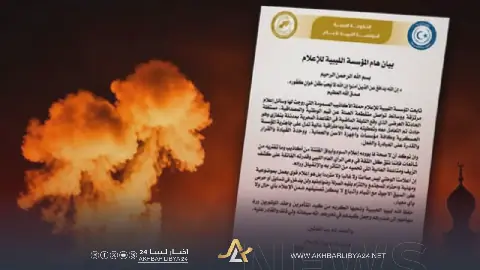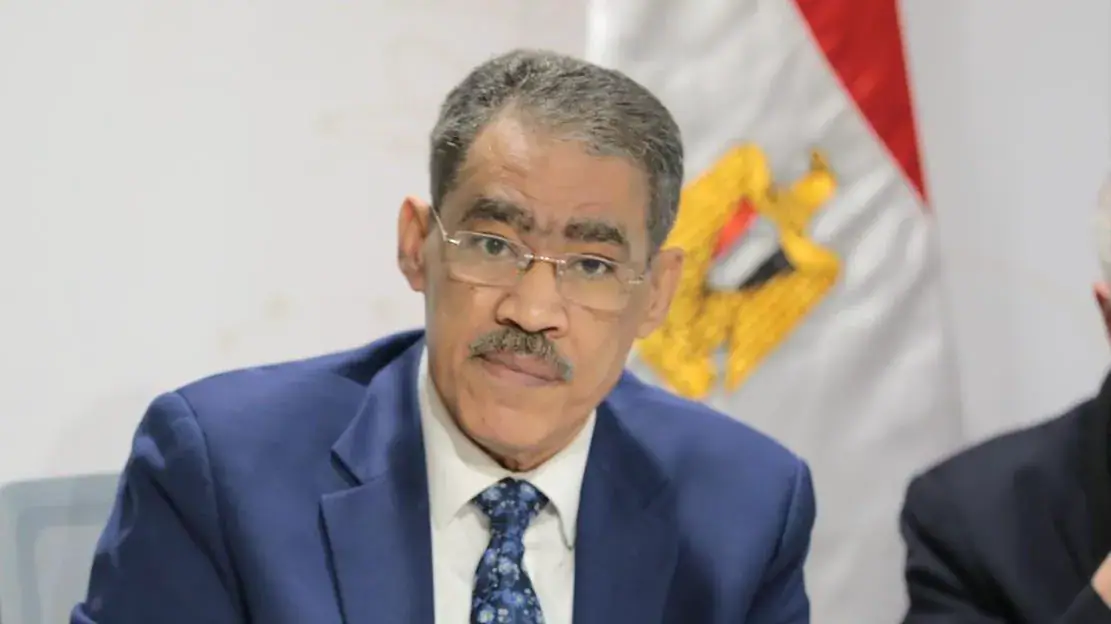
Egypt has denied reports of a military dispute with eastern Libya's Libyan National Army (LNA), led by Khalifa Haftar. On Sunday, November 22, Minister of State for Information Diaa Rashwan stated that reports circulating in the media and on social media were unfounded. He emphasized that communication and coordination between Cairo and the LNA's General Command were continuing as usual. Egypt's support for Libya's stability, territorial integrity, and national institutions was reaffirmed.
The LNA controls much of eastern and southern Libya, while the internationally recognized Government of National Unity (GNU), headed by Prime Minister Abdul Hamid Dbeibeh, is based in Tripoli. Libya has remained politically divided since the overthrow of former leader Muammar Gaddafi in 2011. Rival administrations and armed groups have been competing for authority, and efforts to unify the country's institutions and hold national elections have repeatedly stalled.
Egypt has maintained close military and political relations with Haftar's eastern-based forces while expanding diplomatic engagement with the Tripoli-based government. On November 19, President Abdel-Fattah El-Sisi met with Dbeibeh in Cairo, where the two countries signed agreements covering natural gas infrastructure, petroleum refining, and fisheries development. These agreements aim to strengthen economic ties between the two nations.
Earlier in November, Egypt reopened its embassy in Tripoli after a 12-year closure, marking a step towards strengthening diplomatic relations with western Libya. During the visit, Foreign Minister Badr Abdelatty raised Egypt's concerns over Libya's 2019 maritime boundary agreement with Türkiye, which Cairo has opposed. This move demonstrates Egypt's efforts to engage with both sides of Libya's political divide.
Egypt has continued its engagement with eastern Libya, with President El-Sisi meeting with Haftar in August to discuss efforts to unify Libya's institutions and advance presidential and parliamentary elections. The latest denial comes amid Egypt's efforts to maintain relations with both sides of Libya's political divide, with Cairo repeatedly emphasizing its support for the country's unity and stability.
The Egyptian government's efforts to verify information before publishing unsubstantiated claims were stressed by Minister Rashwan. This comes as Libya continues to face challenges in its pursuit of stability and unity. Egypt's role in supporting Libya's national institutions and territorial integrity remains a key aspect of its foreign policy.
The situation in Libya remains complex, with rival administrations and armed groups competing for authority. Egypt's engagement with both the LNA and the GNU demonstrates its commitment to supporting Libya's stability and unity. As the country continues to navigate its challenges, Egypt's diplomatic efforts will likely play a crucial role in shaping the future of Libya.
Key points
- Egypt denies reports of military dispute with eastern Libya's LNA
- Egypt maintains close relations with both the LNA and the GNU
- Egypt supports Libya's stability, territorial integrity, and national institutions
Reporting sources
- Egypt Rejects Reports of Military Dispute with Eastern Libya · Egyptian Streets