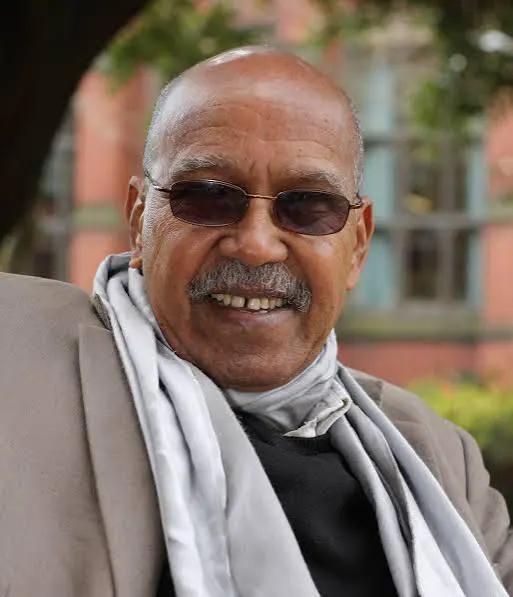
The literary world is eagerly awaiting the announcement of the Nobel Prize in Literature, set to be revealed on October 8. Among those watching with bated breath is Somali author Nuuradiin Faarax. Despite his long-standing contributions to literature, Faarax has yet to receive the prestigious award. His works have been widely read and appreciated, particularly among the Somali diaspora and international literary circles.
Faarax's writing career spans over five decades, with his first stories published in the Somali News newspaper between 1965 and 1969. His short stories, such as "Why Dead So Soon?" and "The Swine," showcased his unique narrative style and exploration of Somali culture. In 1966, he received a scholarship to study in India, further broadening his literary horizons. His writing often reflects his nationalist sentiments, which have been both praised and criticized.
Faarax's most notable work, "From a Crooked Rib," was published in 1969 as part of the African Writers Series. The book was edited by renowned Nigerian author Chinua Achebe, who had a profound influence on Faarax's early writing career. However, Faarax's nationalist views have sometimes been at odds with Achebe's more pan-Africanist perspective. This dichotomy has been reflected in Faarax's writing, which often explores the complexities of Somali identity.
Over the years, Faarax has written over 12 novels and a book on Somali migration, titled "Yesterday Tomorrow." His works have been widely acclaimed, with some critics praising his unique blend of traditional Somali storytelling and modern literary techniques. However, not all reviews have been positive, with some critics arguing that his portrayal of Somali culture can be overly romanticized.
Despite his significant contributions to Somali literature, Faarax's popularity has waxed and waned over the years. While his works were once widely read among Somali anglophones, they have become less popular in recent years. However, his books continue to be widely read and studied internationally, with many scholars appreciating his nuanced exploration of Somali culture and identity.
Faarax has faced criticism from some scholars, including historian Said Sheikh Samatar, who has argued that his works sometimes present an inaccurate representation of Somali culture. Nevertheless, Faarax remains a celebrated author in Somali literary circles, and his contributions to the country's literary heritage are undeniable. As the Nobel Prize in Literature announcement approaches, many will be watching to see if Faarax will finally receive the recognition he deserves.
The announcement of the Nobel Prize in Literature will be made on October 8, and Faarax's fans will be eagerly awaiting the news. While it is impossible to predict who will receive the award, Faarax's body of work is undoubtedly deserving of recognition. As the literary world waits with bated breath, Faarax's contributions to Somali literature and culture will continue to be celebrated and studied by scholars around the world.
Key points
- Nuuradiin Faarax has been writing for over 57 years and has published more than 12 novels.
- Faarax's works have been widely read and appreciated internationally, but his popularity has declined among Somali anglophones in recent years.
- Faarax's nationalist sentiments and portrayal of Somali culture have been both praised and criticized by scholars and literary critics.