Located in the commune of Ndiayène Pendao, arrondissement of Thillé Boubacar, the Amboura wildlife reserve spans 1,050 hectares and has become a symbol of nature conservation in Senegal. The reserve was founded by Oumar Sow, who realized his father's vision of restoring the Sahel region's ecosystem. Since its creation in 2016, the reserve has made significant progress in reintroducing various animal species.
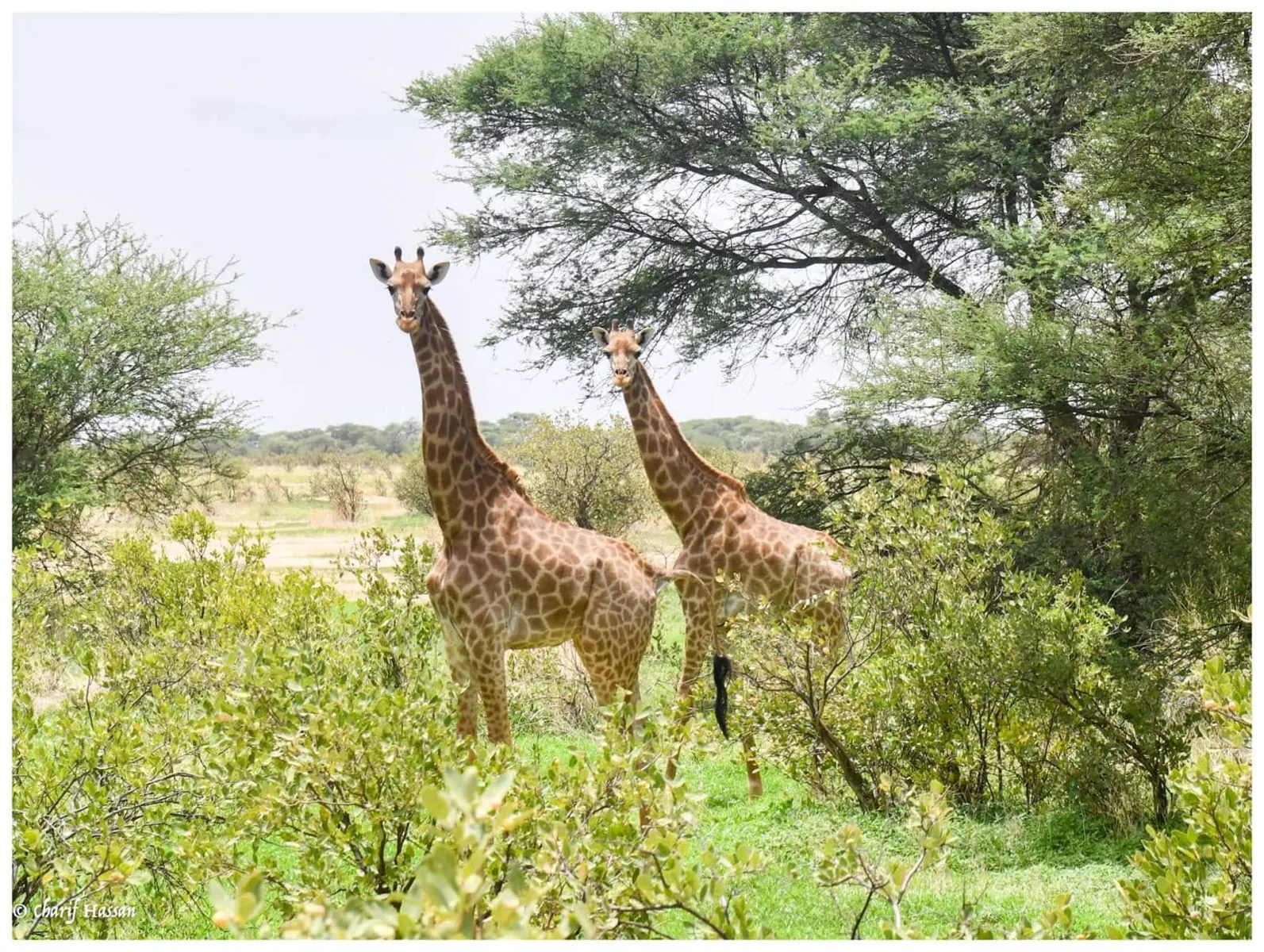
The reserve is home to over 80 oryx gazelles, 122 cervicapres, as well as giraffes, zebras, antelopes, and cobes. The oryx gazelle, once threatened with extinction in Senegal, has become the reserve's emblem. The reserve's method focuses on restoring the environment, reintroducing wildlife, and allowing the ecosystem to regenerate naturally without artificial food or concrete.
The reserve's conservator, Colonel Ibrahima Diop, has played a crucial role in its development. He arrived in 2015 for a reconnaissance mission and was tasked with introducing the first animals in 2018. Diop refused to adopt a model where animals depend on humans for food, instead opting for a natural approach. This approach has allowed the animals to roam freely and find their own food.
Among the reserve's diverse animal population, the oryx gazelle stands out. Introduced from South Africa, it is now found only in Amboura. However, a recent loss was recorded when a female was attacked by a male gnou. Plans are in place to reconstitute a population. The reserve has also successfully introduced other species, including giraffes, zebras, and antelopes.
The reserve's success is evident in its growing animal population. The cervicapre population has grown from five to 122 individuals, while the oryx gazelle population has increased from five to over 82 individuals. The cobes, iconic in the Niokolo-Koba national park, have grown from four to nine individuals, and the gnous have already started breeding.
Conservation efforts at Amboura extend beyond large mammals to include biodiversity. The reserve provides a habitat for various bird species, including the great bustard and the Gambia goose. These birds play a vital role in the ecosystem, and their presence is a testament to the reserve's success.
The reserve aims to become a major tourist destination by 2027. Plans are underway to improve accessibility and infrastructure, allowing visitors to experience the beauty of the Sahel region's restored ecosystem. With its natural approach to conservation, Amboura wildlife reserve serves as a model for sustainable wildlife management in Senegal and beyond.
Key points
- The Amboura wildlife reserve has successfully reintroduced various animal species, including oryx gazelles, cervicapres, and giraffes, into the Sahel region.
- The reserve's natural approach to conservation focuses on allowing animals to roam freely and find their own food, without artificial feeding or human intervention.
- The reserve aims to become a major tourist destination by 2027, promoting eco-tourism and supporting conservation efforts in the Sahel region.