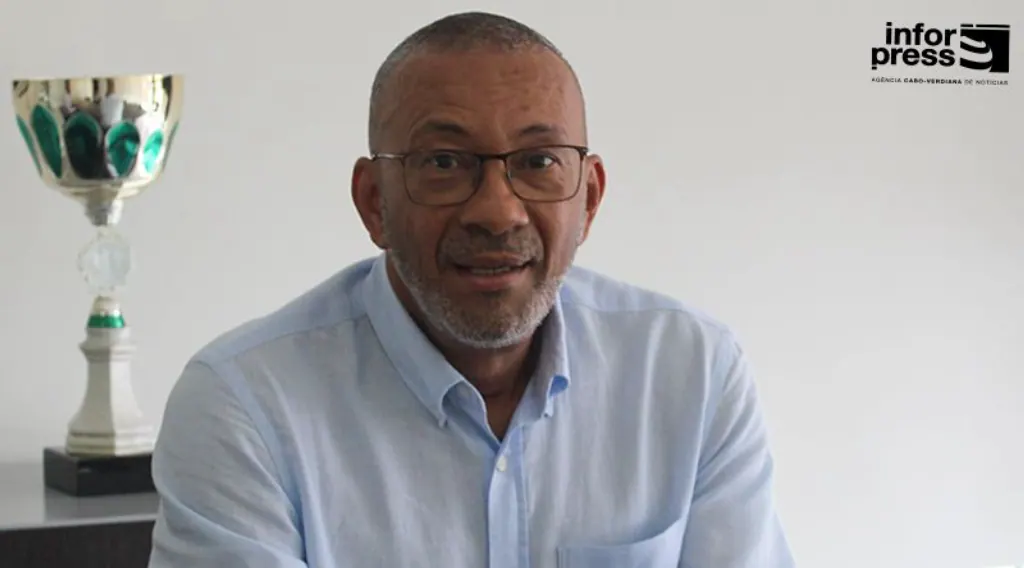
Sol-Atlântico, a prominent transportation company in Cabo Verde, is currently facing a significant worker shortage. The company has a deficit of around 90 workers, primarily drivers, which has resulted in 30 buses being idle. According to Henrique Duarte, president of the board of directors, the company is actively recruiting drivers both locally and internationally to address the issue. This shortage has been a growing concern since 2022, with a notable increase in worker departures, particularly among drivers, starting from 2025.
The company's workforce has decreased from approximately 180 employees in 2020 to around 170 currently. Duarte emphasized that the shortage of personnel, not buses, is the main challenge. Despite conducting recruitment processes between 2022 and 2024, the company has struggled to replace departing workers since 2025. As a result, 30 buses are currently idle, with most being operational but awaiting repairs or maintenance.
To address the shortage, Sol-Atlântico is exploring international recruitment, targeting drivers from other African countries. The company has identified around 30 potential candidates and is in contact with an association of African countries based in Praia. However, the process is being delayed due to pending documentation and licensing issues. Duarte revealed that three candidates are nearing the final stage of obtaining the necessary documentation to work for the company.
Regarding salaries, Duarte stated that Sol-Atlântico offers competitive wages, with new employees earning around 34,000 escudos and senior employees reaching up to 50,000 escudos. The company has also provided annual salary increases of around 3%. Duarte expressed that the company is satisfied with its current compensation structure, which reflects the national reality.
The issue of fuel prices was also discussed during the meeting between Sol-Atlântico's management and the MpD parliamentary group. Duarte stated that the company is cautiously waiting for the new government's policies and orientations on the matter. The company aims to assess the situation by the end of the year and may request a meeting with the prime minister to discuss the impact of fuel prices on their operations.
The meeting between Sol-Atlântico's management and MpD deputies is part of the group's efforts to analyze the effects of fuel price increases on transportation costs and services. The discussions aim to find solutions to mitigate the impact of rising fuel prices on the company's operations and the overall transportation sector in Cabo Verde.
Sol-Atlântico's challenges highlight the complexities of maintaining efficient public transportation services in Cabo Verde. The company's efforts to address its workforce shortage and adapt to changing fuel prices will be crucial in ensuring the continued provision of essential services to the population. The outcome of these efforts will likely have a significant impact on the country's transportation sector and economy.
Key points
- Sol-Atlântico faces a 90-worker deficit, primarily drivers.
- The company has 30 idle buses due to the worker shortage.
- Sol-Atlântico is recruiting drivers internationally to address the shortage.