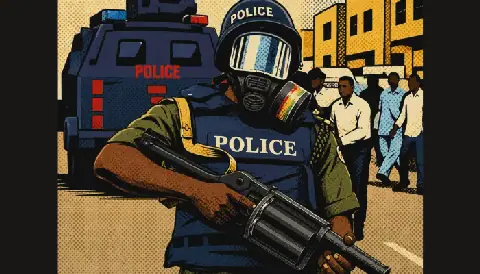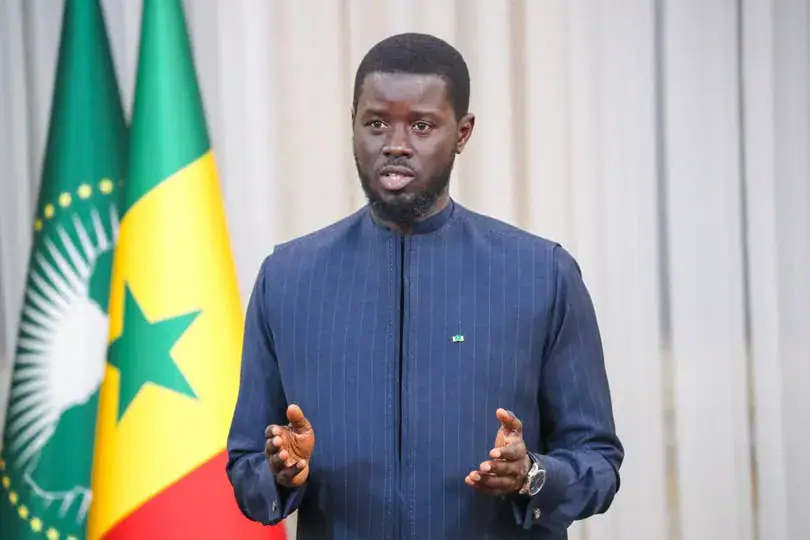
A recent study by anthropologist Yassine Kervella-Mansaré explores the relationship between social media, xenophobia, and community relations between Senegalese and Guineans. The study reveals that social media platforms play a significant role in circulating hostile discourse and amplifying tensions between the two communities. According to interviewees, online posts can contribute to transforming individual disputes into collective oppositions.
The study highlights that some Guinean nationals use social media to make devaluing remarks about Senegalese people, which fuels negative reactions and increased attention towards the Guinean community. However, not all Guineans share these views, and some publicly distance themselves from hostile comments made by their community members. On the other hand, some Senegalese interviewees accuse Guineans of filming people in their daily activities, insulting them, and publishing the content online.
The study also suggests that some politicians exploit social frustrations and nationalist sentiments to boost their visibility. An interviewee notes that certain politicians rely on mobilizing such discourse to exist politically. However, another interviewee emphasizes that not all Senegalese people hold hostile views, and it's essential to distinguish between individual positions and the general attitude of a population.
The concept of xenophobia is also debated among interviewees. A Senegalese informant argues that xenophobia cannot be partial, and if someone is xenophobic, it's because they dislike foreigners in general. However, the study notes that selective hostility towards a particular population due to their foreign origin does not necessarily exclude the possibility of targeted xenophobia.
The study also explores the concept of teranga, which refers to hospitality, a value commonly associated with Senegal. An interviewee emphasizes that teranga should not be just a lip-service and must be translated into actions. The study highlights a gap between the normative representation of hospitality and the experiences of rejection reported by Guineans.
The study provides insight into the socialization of hospitality in Senegal. An informant describes a scenario where a host would give up their bed to a visitor and make necessary arrangements for a meal, even with limited resources. This testimony presents hospitality as a deeply integrated moral norm in Senegalese socialization.
The study concludes that social media plays a significant role in shaping perceptions and experiences of xenophobia, but it's essential to consider the complexities of community relations and the nuances of hospitality in Senegal. The findings highlight the need for a deeper understanding of the dynamics driving xenophobia and the importance of promoting inclusive and respectful interactions between communities.
Key points
- Social media platforms play a significant role in circulating hostile discourse and amplifying tensions between Senegalese and Guinean communities.
- The concept of xenophobia is debated among interviewees, with some arguing that it's not applicable to the specific context of Guineans in Senegal.
- The study highlights a gap between the normative representation of hospitality and the experiences of rejection reported by Guineans.