A recent World Health Organization report has highlighted significant gaps in health information systems across Africa, which could be putting lives at risk. The report, which assessed 40 countries, found that many lack the capacity to generate and effectively use reliable health information. This can make it harder for governments to identify preventable deaths, detect disease outbreaks, and deliver essential healthcare to communities. The WHO African Region report, titled "The Maturity and Functionality of Health Information Systems," evaluated the health information systems of 40 countries.
One of the report's most concerning findings is the poor recording of deaths and their causes. Only 19 of the 40 countries assessed reported notifying authorities of at least 80% of deaths. Similarly, only 21 countries recorded the cause of death for at least 80% of registered deaths. This means many deaths may go undocumented or their causes may remain unknown, making it difficult for health authorities to identify patterns and prevent similar tragedies. The lack of reliable death records can also hide preventable tragedies, making it challenging for governments to understand why mothers die during childbirth or why children succumb to preventable illnesses.
The assessment also identified weaknesses in analyzing and verifying health information at healthcare facilities. Only 43% of countries reported having sufficient capacity to analyze health data at the facility level. Even more concerning, just 25% had sufficient capacity to assess the quality of that information. Without reliable data, health managers may struggle to identify shortages of medicines, inadequate staffing, and communities with limited access to essential services. This can lead to delayed lifesaving interventions, particularly among vulnerable communities.
Despite progress in adopting digital platforms for routine health reporting, significant gaps remain. Only 20% of assessed countries had implemented digital patient medical records. Furthermore, fewer than half had frameworks allowing different health information systems to exchange information. Financing is another challenge, with only 18% of countries reporting having a dedicated budget for health information systems. The assessment recorded an overall maturity score of 59 out of 100, with country scores ranging from 26 to 93.
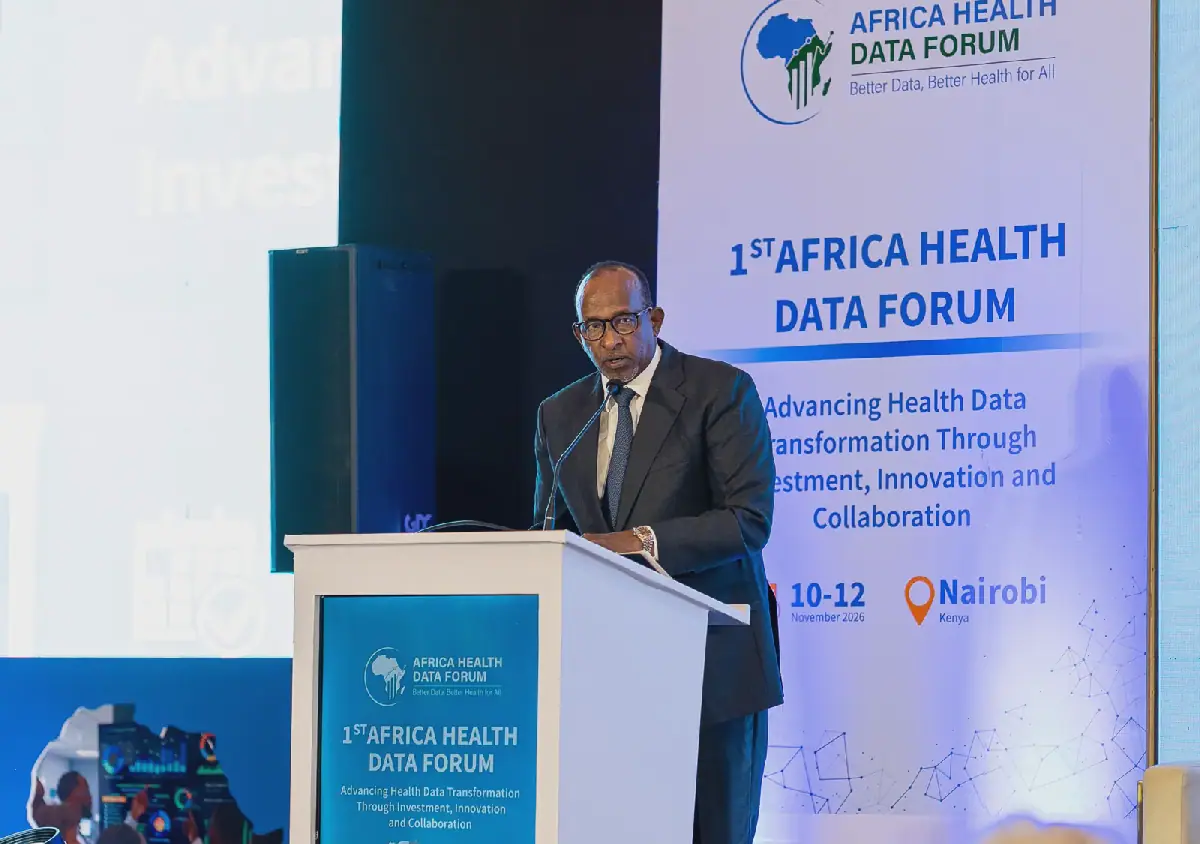
The findings were unveiled on November 10, 2026, during the opening of the First Africa Health Data Forum in Nairobi, Kenya. The three-day meeting brings together health ministers, government officials, WHO representatives, and development partners to discuss ways of strengthening health information systems. Country experiences have demonstrated how better data can improve healthcare delivery. For example, in Zimbabwe, delays in reporting maternal and perinatal deaths through paper-based systems previously meant that information could take weeks or months to reach decision-makers.
The forum will also explore how digital health technologies and artificial intelligence can strengthen health information systems. In August 2026, WHO launched the Regional Health Data Hub to bring together information from different health programs and support better decision-making. Improving health data is not simply a technological ambition; it is an important step towards ensuring that preventable deaths are identified, health needs are addressed, and essential services reach the people who need them most.
The WHO report's findings emphasize the need for improved health information systems in Africa. The African Population and Health Research Center and the Ministry of Health are working together to address these challenges. Key stakeholders will discuss solutions at the Africa Health Data Forum, which will focus on leveraging data to improve healthcare outcomes.
Key points
- Only 19 of 40 African countries record at least 80% of deaths.
- Only 43% of countries have sufficient capacity to analyze health facility data.
- Only 18% of countries have dedicated budgets for health information systems.
Reporting sources
- Poor Health Data Could Put African Lives at Risk, WHO Warns · ghettoradio.co.ke