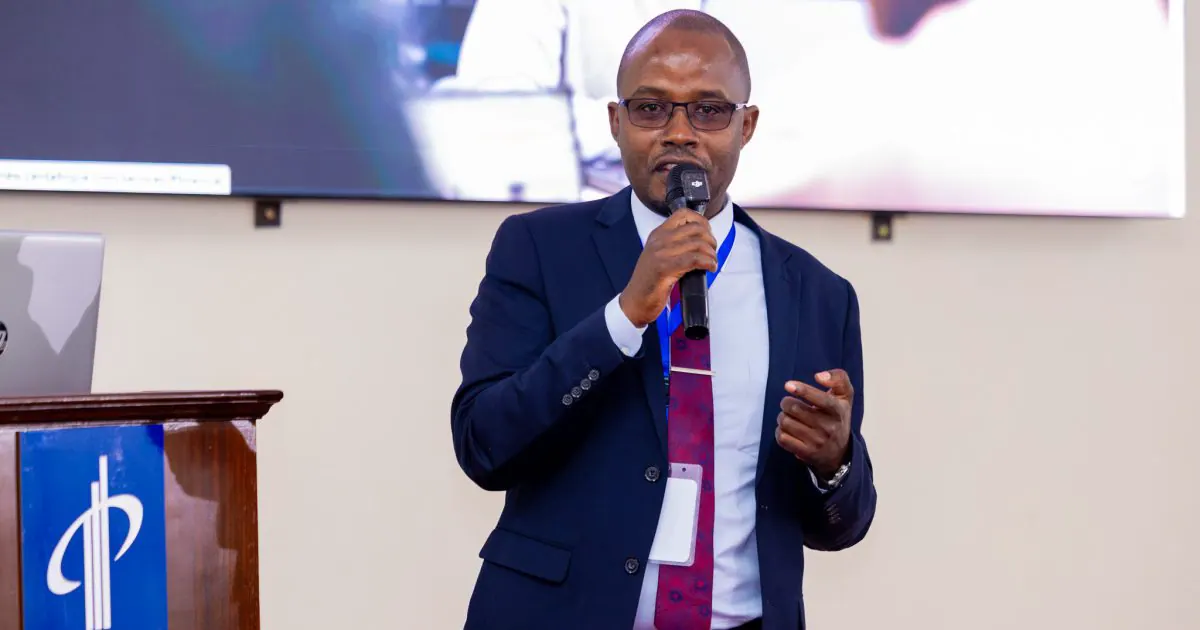
Small and medium-sized enterprises (SMEs) in Kenya are being urged to enhance their financial literacy to access finance effectively. According to John Mungai, Chief Executive Officer and Managing Partner of Centafrique Limited, many SMEs struggle to understand what financial institutions require, which type of financing best suits their businesses, and what they need to put in place before approaching potential financiers. This was stated during a recent SME Breakfast Meeting in Nairobi.
Mungai emphasized that the country needs to move beyond discussions about the availability of capital and focus more on preparing businesses to become finance-ready. He noted that one of the key challenges facing SMEs is not the lack of finance, but rather the lack of readiness and knowledge to access finance. To address this, entrepreneurs need to understand the requirements of different financiers, maintain proper business records, and build a credible financial history before seeking funding.
The business expert also highlighted that entrepreneurs sometimes assume debt is the appropriate solution for every business, yet enterprises at different stages of development may require different forms of capital. He urged entrepreneurs to first assess their businesses and identify the most appropriate source of financing instead of pursuing funding simply because it is available. Centafrique Limited helps SMEs understand what type of financing is suitable for their stage of growth and what they need to have in place before approaching financiers.
Mungai stressed that access to finance cannot be separated from access to markets. He explained that no bank will provide debt if a business cannot demonstrate a future cash flow to repay the loan. Entrepreneurs therefore need to consider the wider business ecosystem, including customers, markets, suppliers, and other strategic partners. Centafrique Limited works as an intermediary between the demand and supply sides of the financing ecosystem, helping SMEs prepare for engagement with financial institutions.
The company helps businesses put in place the information and documentation required by financial institutions, with the aim of reducing delays and repeated requests during financing applications. Mungai also advocated for direct conversations between financial institutions and SMEs about financial products beyond conventional loans. He noted that financial institutions may have a range of products capable of supporting businesses at different stages of development, but SMEs are not always aware of these options.
Centafrique Limited measures its impact by tracking the number of businesses that secure financing or access other financial products, as well as growth in turnover, employment, and supplier networks. The company has worked with more than 3,000 SMEs over the past three years through partnerships with development organisations and its own SME pipeline. Mungai cited the growth of businesses supported by the company as evidence of the potential impact of targeted SME support.
Mungai challenged banks and other financial institutions to develop programmes that help promising but unprepared SMEs become bankable. He suggested that financial institutions should strengthen the capacity of their staff to understand the realities behind SME financial figures rather than assessing businesses purely through numbers. By working together, entrepreneurs, financiers, markets, and ecosystem partners can expand access to sustainable finance and support the growth of SMEs in Kenya.
Key points
- SMEs need to enhance their financial literacy to access finance effectively.
- Entrepreneurs should assess their businesses to identify the most suitable source of financing.
- Financial institutions should develop programmes to help unprepared SMEs become bankable.