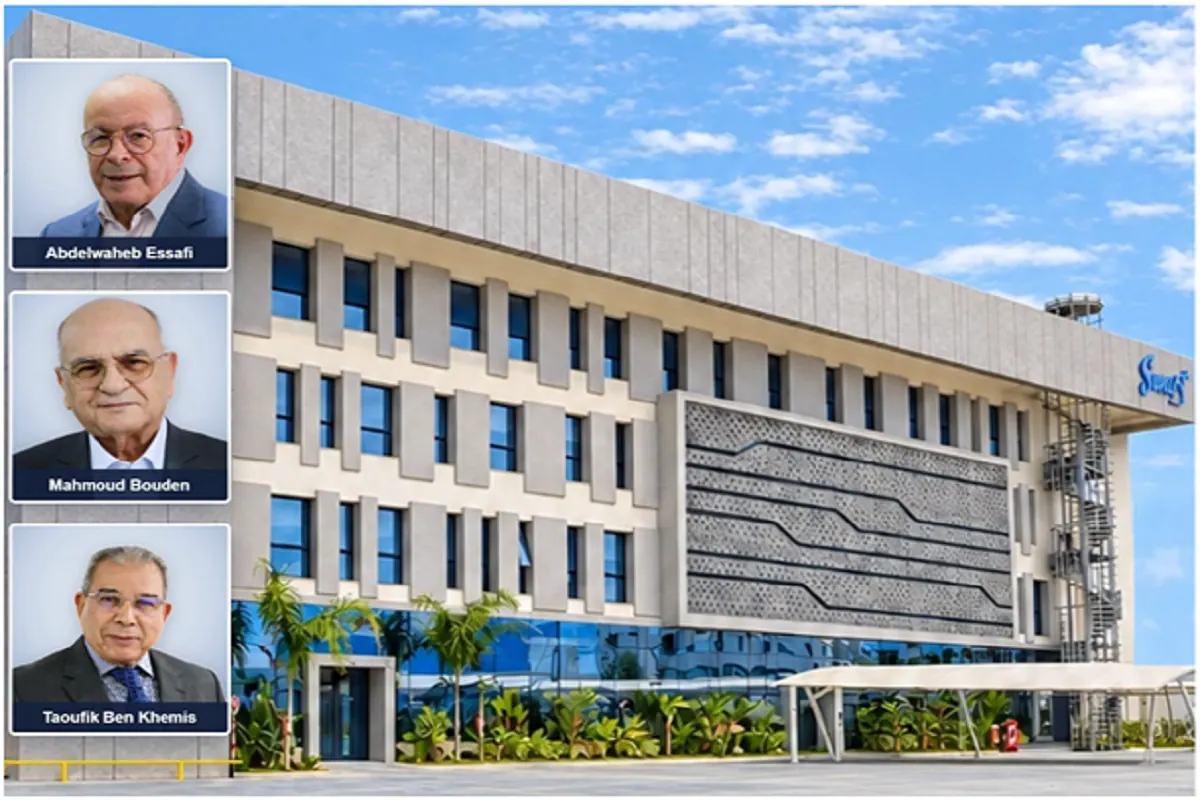
Smart Tunisie, a leading distributor of computer, telecommunications, and home appliances, has released its interim financial statements for the six months ended June 30, 2026. The company's net profit rose 45.3% during this period, driven by the strong performance of its five subsidiaries, in which it holds a significant stake. The company's revenue increased by 15.3% to 222.3 million Tunisian dinars (MDT), with its operating profit jumping 43.6% to 24.8 MDT.
Despite the impressive growth in profit, Smart Tunisie's debt has increased substantially, raising concerns about its financial health. The company's total debt, including off-balance-sheet commitments, has reached 207.7 MDT, which is approximately 1.7 times its equity. The company's management has attributed the increased debt to its strategy of financing inventory growth through short-term bank loans. The company's operating profit covers more than four times its net financial charges, indicating that it can currently absorb the cost of its debt.
Smart Tunisie's inventory levels have increased significantly, with stockpiles rising by 81.9% to 126.5 MDT, representing 43% of the company's total assets. The company has attributed this increase to its efforts to secure supplies and protect against price hikes in global equipment and component markets. However, this growth in inventory has come at the cost of cash, with the company's treasury balance turning negative to -8.96 MDT.
The company's cash flow from operations was strongly negative at -23.7 MDT, reflecting the increased investment in inventory. The company's liquidity ratio has also declined to 1.37, indicating a decrease in its ability to meet short-term obligations. Despite these challenges, the company's management remains optimistic about its prospects, citing its strong operating performance and ability to absorb the cost of its debt.
Smart Tunisie has also been involved in a tax dispute with the Tunisian authorities, which has been ongoing since 2020. The company was initially notified of tax adjustments totaling over 4 million dinars, but it has successfully contested the claims in the first instance, with the court reducing the amount due to 223,000 dinars. However, the tax authorities have appealed the decision, and the case is ongoing.
The company's shareholder structure remains concentrated, with Kathara Invest, Mahmoud Bouden, Mohamed Taoufik Ben Khemis, and Abdelwaheb Essafi together controlling 79% of the company's capital. Smart Tunisie also holds significant stakes in five subsidiaries, including Prologi.
Looking ahead, Smart Tunisie faces challenges in managing its debt and inventory levels while maintaining its growth momentum. The company's ability to generate cash from its operations and manage its working capital will be crucial in determining its future financial health. Key points include:
Key points
- Smart Tunisie's net profit increased by 45.3% in the first half of 2026.
- The company's debt, including off-balance-sheet commitments, has reached 207.7 MDT.
- Smart Tunisie's inventory levels have increased significantly, with stockpiles rising by 81.9% to 126.5 MDT.