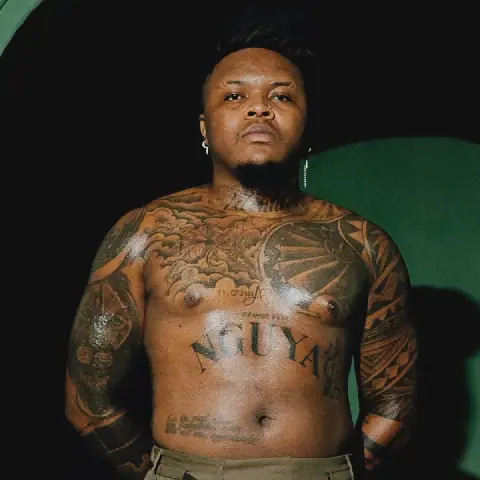
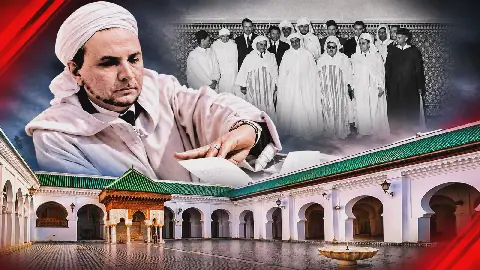
As the legislative and municipal elections approach in Cameroon, smaller political parties are intensifying their efforts to gain a foothold in the country's political landscape. The Movement Patriotique pour la Prospérité du Peuple (MP3), led by Hiram Samuel Iyodi, a candidate in the 2025 presidential election, is one such party. On October 24, the party organized a rally in Njombe-Penja, in the Moungo department of the Littoral region, where it installed new local leaders.
The MP3 party is focusing its efforts on areas where it believes it has a strong chance of winning. According to Iyodi, the party has identified leaders in the Moungo department who have been working tirelessly to promote the party's ideals and are committed to its vision. The party's strategy is to concentrate its resources in these areas, rather than trying to contest elections nationwide. This approach, Iyodi says, will enable the party to make a meaningful impact and potentially win seats in the legislative and municipal elections.
Other smaller parties, such as the Front Camerounais, are also gearing up for the elections. On October 28, the party installed new departmental leaders in Mfoundi and Sanaga-Maritime, who have been tasked with preparing for the local elections. The Front Camerounais aims to contest the municipal elections and implement its policy of promoting peace, unity, and prosperity in Cameroon. The party's leaders believe that by focusing on local issues and engaging with voters at the grassroots level, they can make a positive impact and win support.
Despite their limited resources, these smaller parties are determined to make a difference in the elections. They face significant challenges, including a lack of visibility and limited financial resources, but are working hard to overcome these obstacles. By engaging with voters and promoting their policies, they hope to build a strong enough support base to win seats in the legislative and municipal elections.
The upcoming elections will be an important test for Cameroon's democratic system. The country has a complex political landscape, with many different parties and interest groups vying for power. The elections will provide an opportunity for voters to engage with the political process and choose their representatives at the local and national levels.
According to the Cameroonian electoral law, all parties must be registered and have a minimum number of members to participate in the elections. The law also requires parties to submit their electoral programs and manifestos to the electoral commission. These requirements are designed to ensure that only legitimate parties participate in the electoral process and that voters have access to accurate information about the parties and their policies.
The elections are expected to take place in 2027, although an exact date has not been announced. In the meantime, political parties will continue to engage in campaigns and outreach efforts to build support and mobilize voters. The outcome of the elections will have significant implications for Cameroon's future, and all parties are working hard to achieve their goals.
Key points
- Smaller parties are focusing on areas where they have a strong chance of winning.
- Parties are working hard to overcome limited resources and build support.
- The elections will provide an opportunity for voters to engage with the political process.