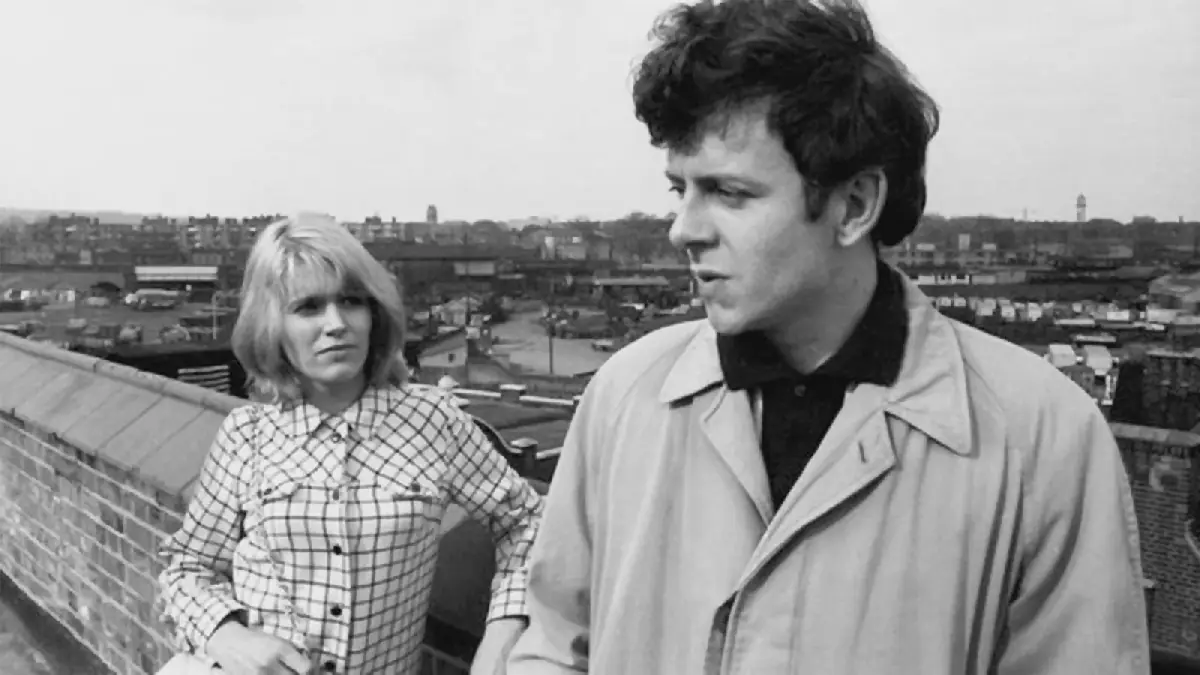
The BBC play Cathy Come Home, directed by Ken Loach, aired 60 years ago on November 16, 1966, and dramatically raised awareness around homelessness and child poverty. The play, written by Jeremy Sandford, told the story of Cathy and Reg and their children, who spiralled down the housing ladder in a vortex of anguish and despair. The play's impact was significant, provoking a national debate and moving viewers with its portrayal of poverty and homelessness.
The writer, Jeremy Sandford, and his wife Nell Dunn, came from privileged backgrounds but moved to Battersea in the late 1950s, where they lived among and worked alongside working-class people. This experience inspired their writing, including Dunn's collection of short stories, Up The Junction, and her novel Poor Cow. Sandford and Dunn's work focused on the themes of poor housing conditions and the insecurity of life at the lower end of the social scale.
Cathy Come Home was a groundbreaking example of TV drama that provoked political and public debate and pressure for action and change. The play's influence on public policy was significant, with the Housing Subsidies Act 1967, the Housing Act 1969, and the Housing (Homeless Persons) Act 1977 all being passed in response to the play's portrayal of homelessness. The play also inspired the formation of Shelter and Crisis, two organizations that continue to work towards ending homelessness.
Despite the progress made, homelessness remains a significant issue in the UK, with over 200,000 people in temporary accommodation in London alone. Nearly half of these are children, and official figures show that temporary accommodation contributed to the deaths of at least 74 children in England and Wales in the last five years. The root causes of the housing crisis, including a shortage of social housing and high private rents, persist.
The play's director, Ken Loach, has been dismissive of what Cathy actually achieved in practice, citing the end of family separation in temporary accommodation as the only tangible reform. However, this claim is too modest, as Cathy had a real and positive impact on public attitudes towards homelessness. The play's influence can still be seen today, with organizations such as Homes for Cathy forming in 2016 to tackle homelessness.
The UK government has made promises to address the housing crisis, including Labour's pledge to build 1.5 million homes in this parliament. However, this goal is looking unlikely to be realised. The arrival of Andy Burnham as PM has had a positive impact, with his aspiration to end rough sleeping by Christmas being enormously encouraging.
As the UK continues to grapple with the issue of homelessness, the lessons of Cathy Come Home remain relevant today. The play's portrayal of poverty and homelessness continues to resonate with audiences, and its influence on public policy and attitudes towards homelessness is undeniable. However, the persistence of homelessness and rough sleeping is a national disgrace, and more needs to be done to address the root causes of the crisis.
Key points
- The BBC play Cathy Come Home aired 60 years ago, raising awareness around homelessness and child poverty, and prompting significant changes in public policy.
- Despite progress, homelessness remains a significant issue in the UK, with over 200,000 people in temporary accommodation in London alone.
- The play's influence on public policy and attitudes towards homelessness is undeniable, but more needs to be done to address the root causes of the crisis.
Reporting sources
- Sixty years on, are we any closer to learning the lessons of Cathy Come Home? · The Big Issue Malawi