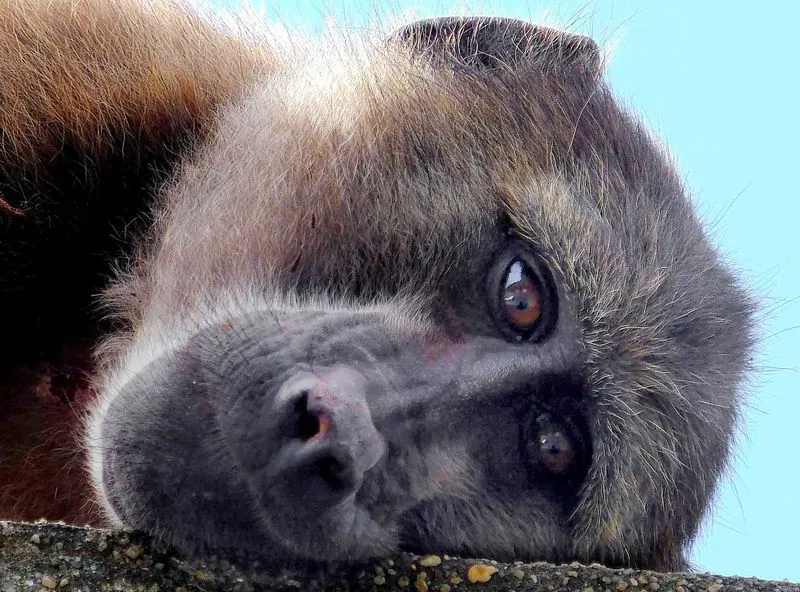
Cape Town's Urban Baboon Centre is set to become the lifelong home of at least 60 baboons, offering a unique blend of comfort and security. The centre, designed to provide a safer existence for two troops of baboons, features comfortable roosts, ropes to swing on, pools of fresh water, and regular meals. The facility's perimeter fence is equipped with an estimated 8,000 to 9,000 volts to prevent escape attempts. The centre is the result of a collaboration between the Cape Baboon Partnership and Shark Spotters, with the goal of reducing human-baboon conflicts in areas like Simon's Town.
The Urban Baboon Centre spans across 2.3 hectares for the Waterfall troop, consisting of 44 baboons, and 1.6 hectares for the Seaforth troop, with 16 baboons. The centre's development and operational costs for the first three years are estimated at R10-million, with over a third allocated to the construction of the electrified fence. The fence is designed to discourage the neighbouring wild troop from entering the centre, and solar power and batteries will ensure its continuous operation. The centre's design prioritizes minimizing human contact with the baboons, with feeding and maintenance systems in place.
The capture and relocation of the baboons are expected to be challenging, with concerns raised about the potential stress and danger involved. Karen Sacs, the Animal Care Manager, will oversee the care of the baboons, including their capture and integration into the centre. The centre's management plan includes measures to address potential issues, such as fire risks, with hydrants, access for fire engines, and boundary sprinklers in place. Daily fire-risk assessments will be conducted to ensure the centre's preparedness.
In the event of a wildfire, the centre's emergency plan involves turning off the electricity, opening the gates, and letting the baboons out. Rangers would then herd them to safety and manage them outside for a short period before returning them to the centre. This approach relies on the cooperation of the baboons, which may not be guaranteed. The centre's location on City land means that the City is responsible for its funding, with a committed funding cycle of three years.
However, concerns have been raised about the long-term funding of the centre, with some of the baboons potentially requiring care for another 20 years. The management plan includes a contingency for euthanization if funding fails and another home cannot be found for the baboons. Sarah Waries, CEO of Shark Spotters, emphasizes that this is a worst-case scenario and that she expects the baboons to live longer, healthier, and less stressful lives at the centre.
The Urban Baboon Centre's development began on 1 July, and construction is nearing completion. Despite some opposition to the project, with protesters gathering outside the gates every Sunday, the centre is expected to provide a safe and comfortable home for the relocated baboons. The centre's design and management plan prioritize the welfare of the baboons, with a focus on minimizing stress and providing a natural environment.
The relocation of the baboons to the Urban Baboon Centre marks a significant effort to address human-baboon conflicts in the region. While challenges and concerns remain, the centre's design and management plan aim to provide a safe and comfortable home for the baboons. The project's success will depend on the cooperation of various stakeholders, including the City, the Cape Baboon Partnership, and Shark Spotters.
Key points
- The Urban Baboon Centre will provide a safe and comfortable home for 60 baboons, with a focus on minimizing human contact and stress.
- The centre's development and operational costs are estimated at R10-million, with a focus on long-term care and management.
- Concerns have been raised about the long-term funding of the centre, with some of the baboons potentially requiring care for another 20 years.