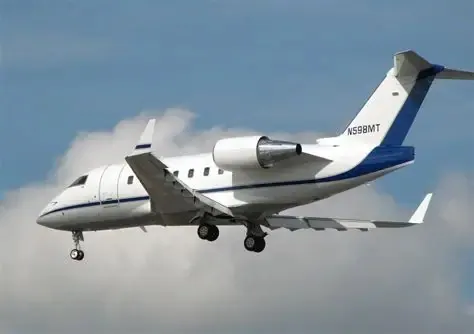
A tragic incident unfolded in the Atlantic Ocean on Saturday, October 3, 2026, as a Gulfstream 100 Air Ambulance, registered as C-GRJP, crashed, resulting in the deaths of all six people on board. The aircraft, operated by Latitude Air Ambulance, was on an emergency medical flight from Bermuda to Boston. The United States Coast Guard (USCG) reported that contact with the plane was lost early that morning, prompting an extensive search and rescue operation.
The search efforts, led by the USCG, involved multiple assets, including the HC-144 Ocean Sentry airplane crew from AirSta Cape Cod, the HC-130 Hercules crew from AirSta Elizabeth City, and the MH-60 Jayhawk helicopter crew from AirSta Cape Cod. Additionally, a 47-foot MLB crew from Station Brant Point and the FRC William Sparling (WPC-1154) participated in the search. These efforts continued throughout Saturday and into Sunday, October 4, 2026.
According to records, the C-GRJP, a Gulfstream G100, was flying at an altitude of 24,000 feet, which is relatively low for such aircraft. This lower altitude was likely due to a patient's medical requirement for a low cabin altitude during the flight. However, this made the aircraft more susceptible to adverse weather conditions. There were reports that the plane may have encountered a Cumulonimbus cloud, a tall and heavy vertical storm cloud commonly known as a thunderhead.
Experts suggest that if the aircraft did indeed hit a Cumulonimbus cloud at that altitude, it would have been particularly hazardous. Cumulonimbus clouds are associated with severe thunderstorms, turbulence, and significant vertical growth, making them a serious threat to aircraft. The combination of the aircraft's low altitude and the potential encounter with such a cloud may have contributed to the tragic outcome.
The Gulfstream 100, operated by Latitude Air Ambulance, is part of a fleet providing medical evacuation and repatriation services. The aircraft was on an emergency flight, highlighting the critical nature of its mission. The loss of the aircraft and its crew is a significant blow to the medical evacuation community and the families of those affected.
The USCG, a maritime security, law enforcement, and search-and-rescue branch of the American Armed Forces, played a crucial role in the search operation. Their efforts, along with those of other responding units, ultimately led to the location of the debris field, confirming the fate of the aircraft and its occupants.
The investigation into the cause of the crash will likely involve multiple agencies, including the Federal Aviation Administration (FAA). As the search efforts concluded, the focus will shift to understanding the factors that led to this tragic incident, with the hope of preventing similar accidents in the future. The FAA and other regulatory bodies will likely examine the flight data, weather conditions, and aircraft maintenance records to piece together the events leading up to the crash.
Key points
- All six people on board the Gulfstream 100 Air Ambulance were killed in the crash.
- The aircraft was flying at a low altitude of 24,000 feet, possibly due to a patient's medical needs.
- The search operation involved multiple USCG assets and continued over two days.