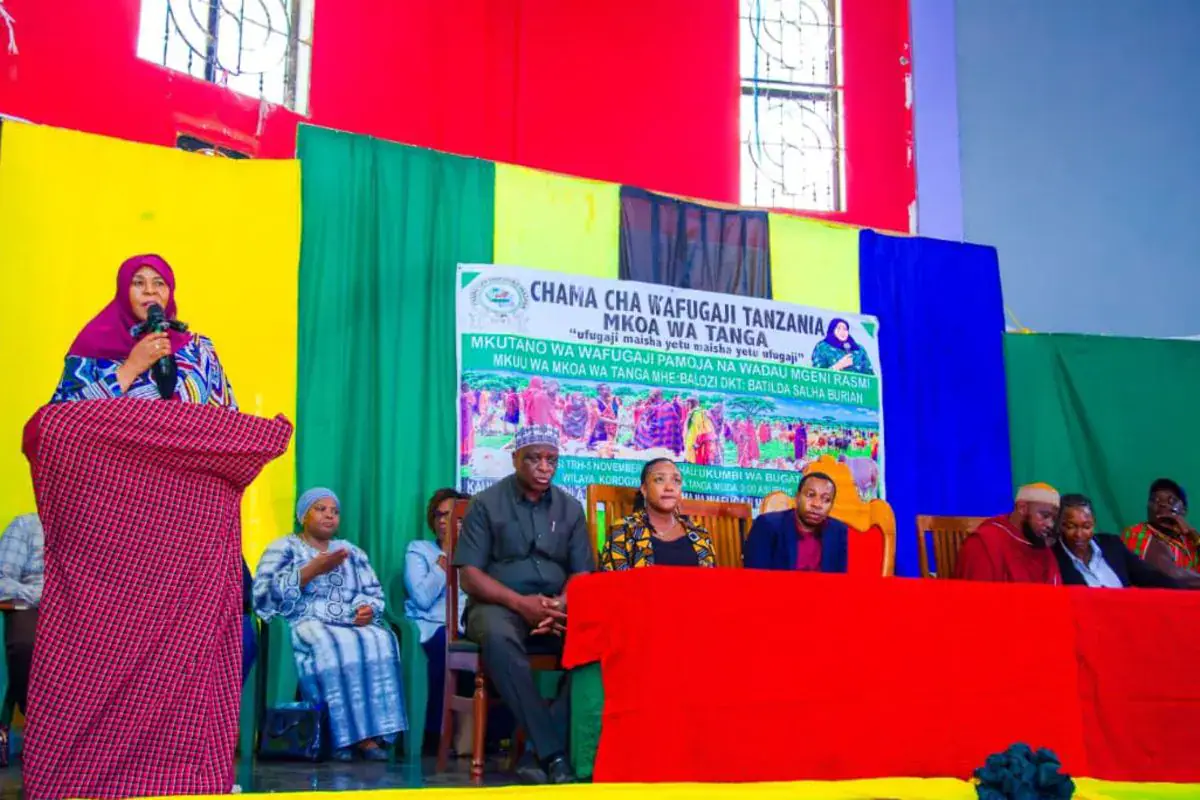
Six people have been killed in separate incidents linked to conflicts between farmers and pastoralists in Tanzania's Tanga Region. The government has stepped up efforts to address disputes arising from crop destruction and breaches of livestock-keeping regulations. Tanga Regional Commissioner, Dr Batilda Burian, confirmed that reports of the deaths had reached the government. She stressed that the situation required cooperation among all stakeholders to prevent further loss of life and property.
Dr Burian was speaking during a meeting of pastoralists and other stakeholders in Korogwe District, Tanga Region. The meeting was convened to discuss challenges facing the livestock sector and conflicts between farmers and pastoralists. Dr Burian said pastoralists who violated livestock-keeping regulations by allowing their animals into farmers' fields, resulting in crop destruction and complaints that sometimes escalated into violence, fueled some of the conflicts.
To address the challenges, Dr Burian said the government had continued to oversee livestock identification through ear tagging, vaccination and the regulation of livestock movement from one area to another. Pastoralists wishing to move their livestock must obtain a permit from the district commissioner in their area of origin. The permit requires them to explain the reasons for the movement and demonstrate that the destination has sufficient capacity to accommodate the animals.
Dr Burian also emphasised the need to conduct a livestock census to establish the number of animals and enable proper planning for land, pasture and water use based on the sector's actual needs. This would help address the root causes of the conflicts and ensure that the needs of both farmers and pastoralists are met. The census would also inform policy decisions aimed at promoting sustainable livestock keeping and reducing conflicts.
Tanga Region Pastoralists Association Secretary Mandilei Ndengui said changing the nomadic livestock-keeping system and investing in pasture production were among the measures that could help reduce the conflicts. He suggested that planting pasture grass would help pastoralists have sufficient food for their livestock within their areas. This would reduce the likelihood of animals straying into farmers' fields, a situation that fuels conflicts.
Mr Ndengui also called for cooperation between farmers and pastoralists in the use of land and water resources. He urged fellow herders to participate in vaccination campaigns to prevent diseases that could cause significant losses and increase treatment costs. Pastoralists' participation in vaccination and pasture production would improve livestock keeping and ease challenges facing the sector.
The government has directed district, ward and village authorities to ensure that all school-age children attend classes. Parents found withdrawing their children from school and taking them to graze livestock should be arrested. The government is working to address the issue of children from pastoralist families attending school instead of being assigned to herd livestock during school hours.
Key points
- The government has initiated measures to address farmer-pastoralist conflicts, including livestock identification and regulation of livestock movement.
- Pastoralists have been urged to participate in vaccination campaigns and invest in pasture production to reduce conflicts.
- A livestock census is planned to inform policy decisions and promote sustainable livestock keeping.
Reporting sources
- Six killed in farmer-pastoralist conflicts in Tanga · The Citizen