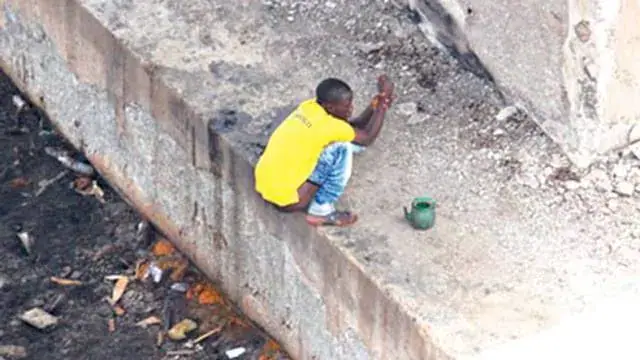
The Upper East Region of Ghana is grappling with a high open defecation rate, with at least six out of every 10 people practising it, according to the Acting Upper East Regional Director of Environmental Health, Charles Yinbil. The region recorded an open defecation rate of 63.7 per cent in 2025. Mr. Yinbil described the situation as worrying and called for intensified efforts by district assemblies, health authorities, and other stakeholders to improve sanitation and reduce the practice.
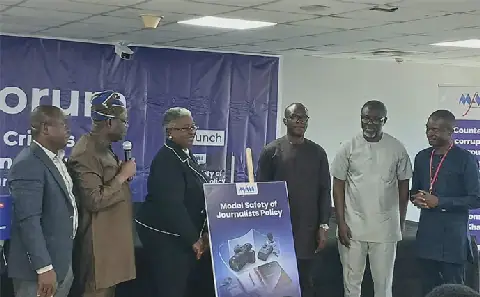
Mr. Yinbil disclosed the region's open defecation rate at the 2026 Regional Hand Hygiene and WASH Leadership Summit held in Bolgatanga as part of activities marking Global Handwashing Day. He attributed the sanitation challenges partly to weak faecal sludge management services, explaining that the region had inadequate cesspit-emptying trucks to service septic tanks. This has resulted in the limited availability of such services, affecting effective sanitation management.
Household access to toilet facilities in the region remains very low, while the region continues to face challenges with its national sanitation performance. Mr. Yinbil expressed concern about the widespread nature of open defecation in communities, describing instances where people openly defecated in fields and other public spaces without apparent embarrassment. He also noted that household latrine construction had declined significantly following the withdrawal of donor support for rural sanitation interventions.
Many sanitation initiatives in the region previously depended on development partners, but the withdrawal of their support weakened the ability of district assemblies to sustain progress. Some communities are experiencing a reversal of earlier gains because assemblies have been unable to maintain the level of investment and activities previously supported by WASH partners. This has resulted in a significant decline in sanitation initiatives in the region.
Beyond toilet access, Mr. Yinbil identified inadequate handwashing facilities, limited access to soap, and inconsistent water supply as other major challenges affecting hygiene practices in communities, schools, and healthcare facilities. Some household handwashing facilities are either non-functional or poorly maintained, while others lack soap and running water. At health facilities, handwashing facilities are often inadequate, serving only health workers and not patients and caregivers.
Mr. Yinbil called on district assemblies to protect budget allocations for sanitation and hygiene activities, warning that funds approved for such interventions are sometimes diverted to other priorities. He urged assemblies and health authorities to provide dedicated funding for hygiene infrastructure, supplies, maintenance, and monitoring. He also recommended expanding access to functional handwashing facilities in underserved schools and healthcare facilities.
The public health implications of poor sanitation and hygiene are significant, with handwashing with soap, improved sanitation, and safe drinking water contributing to the prevention of diarrhoeal diseases. Mr. Yinbil highlighted the need for coordinated action to address the region's sanitation and hygiene challenges and improve the health and well-being of residents. He emphasized the importance of regular performance assessments to monitor the availability and functionality of facilities, the supply of water and soap, and compliance with hygiene standards.
Key points
- The Upper East Region of Ghana recorded an open defecation rate of 63.7 per cent in 2025.
- Weak faecal sludge management services and inadequate cesspit-emptying trucks are major contributors to the region's sanitation challenges.
- The region needs coordinated action to address its sanitation and hygiene challenges and improve the health and well-being of residents.