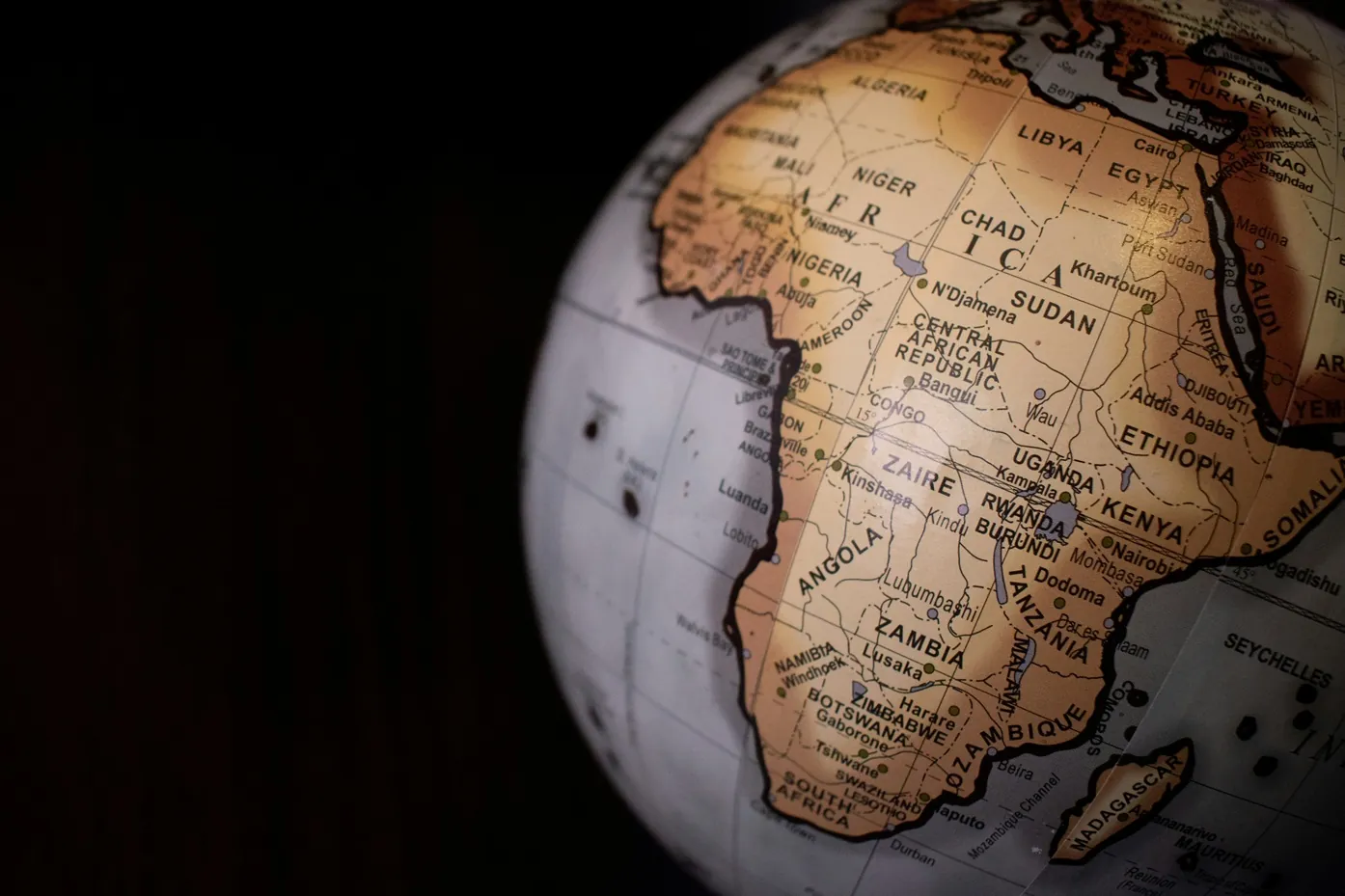
Manufacturing is emerging as a crucial driver of Africa's economic development, enabling countries to reduce their reliance on raw commodity exports, create jobs, and strengthen domestic supply chains. The 2025 World Bank data compiled by TheGlobalEconomy provides a useful measure of manufacturing value added, representing the net output generated by manufacturing industries after deducting intermediate inputs. This measure is reported in current U.S. dollars. Egypt ranks first in Africa, with a manufacturing value added of approximately $52.96 billion in 2025.
Egypt's industrial economy is among the continent's most diversified, covering food and beverages, chemicals, textiles, pharmaceuticals, metals, and other products. A large domestic market provides producers with a substantial consumer base, while the country's strategic location offers access to Europe, the Middle East, and other African markets. The Suez Canal further strengthens Egypt's position as a major international trade and logistics hub. Egypt's lead in manufacturing value added is relatively narrow, with South Africa recording $52.35 billion in 2025.
South Africa ranks second in manufacturing value added, with a diversified industrial base spanning motor vehicles, machinery, chemicals, food products, metals, and other goods. The automotive industry is particularly important, with companies producing vehicles and components for both domestic and international markets. Established infrastructure, skilled labor, and well-developed supply chains have helped sustain the country's industrial strength, despite persistent economic and infrastructure challenges.
Morocco ranks third, recording $27.23 billion in manufacturing value added in 2025. The country has developed a strong export-oriented industrial base, particularly in automobiles, aerospace, electronics, textiles, and food processing. Its proximity to European markets has been a major advantage, and investments in industrial zones, transport infrastructure, and production networks have helped attract international companies and connect local suppliers to global markets.
Nigeria ranks fourth, with manufacturing value added of $24.01 billion in 2025. Its huge population and consumer market provide significant opportunities for large-scale domestic production. Key industries include cement, food and beverages, chemicals, pharmaceuticals, textiles, consumer goods, and other products. However, businesses continue to contend with unreliable electricity, high transportation costs, foreign exchange pressures, and difficulties accessing some industrial inputs.
Côte d'Ivoire ranks fifth, with $12.26 billion in manufacturing value added. The West African economy has developed significant industrial activity around its agricultural resources, particularly food and agro-processing. Its position as a major economic and commercial hub in Francophone West Africa also gives producers access to regional markets. Beyond agricultural processing, the country's industrial base includes chemicals and other products, supporting its position among West Africa's leading industrial economies.
The ranking of the six largest manufacturing countries in Africa is completed by other nations that have made significant strides in developing their industrial sectors. These countries are working to reduce their dependence on imported goods and strengthen their domestic supply chains. The growth of manufacturing in Africa is expected to continue, driven by the need for economic diversification and job creation.
Key points
- Egypt leads Africa in manufacturing value added with $52.96 billion.
- South Africa follows closely with $52.35 billion.
- Morocco ranks third with $27.23 billion.