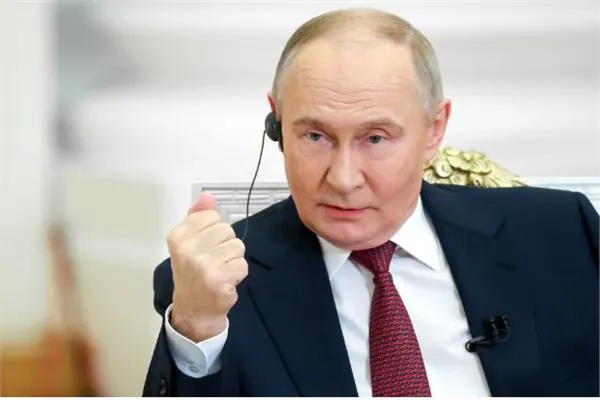
The recent Russian parliamentary elections have resulted in a historic win for the ruling party, "United Russia," led by President Vladimir Putin. According to the Central Election Commission, the party secured 349 seats out of 450 in the State Duma, with an official turnout of 59.32%. This outcome marks the largest number of seats the party has ever won in a parliamentary election. United Russia garnered 57.8% of the vote, compared to 49.8% in the 2021 elections.
The elections took place from September 18 to 20, 2026, against the backdrop of Russia's ongoing conflict in Ukraine, which began in February 2022. The Kremlin framed the elections as an opportunity to demonstrate internal cohesion and public support for the Russian leadership amid the war and external pressures. President Putin viewed the vote as an indicator of the Russian society's stance on the country's current path. However, Western analyses have characterized the elections as limited in political competition.
The elections were notable for the absence of significant opposition forces. The liberal Russian party, "Yabloko," which openly opposed the war, was barred from participating in the elections. While some of its candidates ran in individual constituencies, the party questioned the accuracy of the official results. Other Russian opposition figures have faced imprisonment, exile, or political restrictions in recent years, further limiting electoral competition.
The outcome of the elections does not necessarily imply widespread public support for the war or Putin's policies. Independent analyses suggest that votes for other parties within the parliament may reflect dissatisfaction or protest against the Kremlin's policies, although these parties do not fundamentally challenge the system. The elections measure voter behavior within a specific set of available options, whereas assessing public opinion trends requires additional tools, including independent polls and social and economic indicators.
The elections coincide with increasing economic challenges linked to the ongoing war. According to the Royal United Services Institute, economic pressures and a growing sense of insecurity within Russian society have become crucial factors in understanding the political landscape. The war's impact on the Russian economy and the effects of Ukrainian long-range strikes are increasingly felt domestically.
The significant parliamentary majority secured by United Russia grants the Kremlin substantial legislative power, enabling it to pass legislation without needing alliances with other forces within the council. This outcome achieves a crucial political goal for the Kremlin: maintaining and enhancing control over the Russian legislative institution. However, the extent to which this control reflects broader societal trends requires additional indicators.
The elections also highlight the ongoing conflict in Ukraine, with Russia conducting voting in occupied Ukrainian regions that Moscow claims to have annexed. These actions are rejected by Ukraine and the international community as attempts to legitimize Russian sovereignty over these territories. Consequently, the Russian elections are inextricably linked to the war, both politically and geographically, extending their relevance beyond Russia's internal politics.
Key points
- The ruling party, "United Russia," secured a record 349 seats in the State Duma.
- The elections were held amid the ongoing conflict in Ukraine and increasing economic challenges.
- The outcome does not necessarily imply widespread public support for the war or Putin's policies.