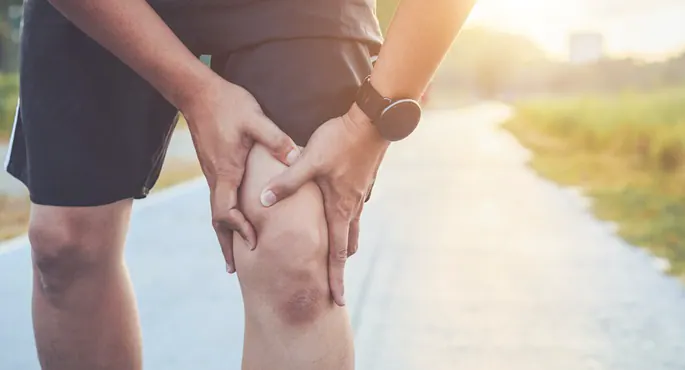
Knee osteoarthritis affects millions globally, causing chronic pain, stiffness, and swelling that directly impacts daily life. A recent study offers promising news, revealing that one of the most effective treatments is also among the simplest and least expensive. According to a report by Prevention, knee braces topped the list of effective treatments, significantly reducing pain, stiffness, and improving joint function. Water therapy and regular exercise also emerged as effective options for pain relief.
Experts attribute the effectiveness of knee braces to their ability to enhance proprioception, or the sense of joint position, allowing the brain to better guide muscles to stabilize the knee during movement. Specialized braces can reduce pressure on damaged joint areas, alleviating pain and improving mobility. Orthopedic doctors note that compression bandages are a common choice, helping to warm the knee and reduce swelling, which in turn eases pain.
Physical therapy plays a crucial role in managing knee osteoarthritis. Strengthening thigh muscles reduces pressure on the joint during movement. Regular physical activity improves synovial fluid flow within the joint, essential for reducing friction and maintaining cartilage health. Recommended exercises include swimming, water aerobics, stationary cycling, resistance training, yoga, and balance exercises. These activities not only alleviate pain but also enhance overall quality of life.
Scientific analyses have shown that aerobic exercises like walking and cycling can decrease pain and improve knee function within weeks. In some cases, medication may be part of the treatment plan, especially when pain is severe. Doctors often start with nonsteroidal anti-inflammatory drugs like ibuprofen, but recommend their use only when necessary. Injections such as hyaluronic acid or platelet-rich plasma may also help improve symptoms with minimal side effects.
Medical professionals stress that the best treatment approach begins with simple steps, such as lifestyle adjustments and non-surgical interventions, before considering more complex options. This may include using knee braces, exercising regularly, controlling weight, and using pain relievers as needed. In many cases, these measures can manage the condition without surgical intervention. The goal is to find a balance that maintains joint health and minimizes deterioration.
Recent studies underscore that simple solutions can be highly effective in combating knee osteoarthritis. While some patients may seek advanced and costly treatments, evidence suggests that knee braces and regular exercise can make a significant difference in pain relief and mobility improvement. Consistent treatment and follow-up with healthcare providers are essential, as managing this condition requires a comprehensive approach that preserves joint health and limits progression.
Patients are encouraged to work closely with healthcare professionals to develop a personalized treatment plan. By combining simple, cost-effective solutions with professional guidance, individuals with knee osteoarthritis can improve their quality of life and maintain mobility. This approach not only alleviates pain but also empowers patients to take an active role in managing their condition.
Key points
- Simple solutions like knee braces and regular exercise are highly effective in managing knee osteoarthritis.
- Lifestyle adjustments and non-surgical interventions should be considered before more complex treatments.
- Consistent treatment and follow-up with healthcare providers are crucial for managing knee osteoarthritis.


