The Simandou iron ore project, located in the southeastern region of Guinea, is one of the largest mining projects in the world. A recent visit to the site, which took place on October 28-29, 2026, provided insight into the project's infrastructure and the extensive work being carried out. The visit was conducted in partnership with Rio Tinto Simfer, the company responsible for the project's development. The site's vastness and complexity can only be fully understood by witnessing it firsthand.
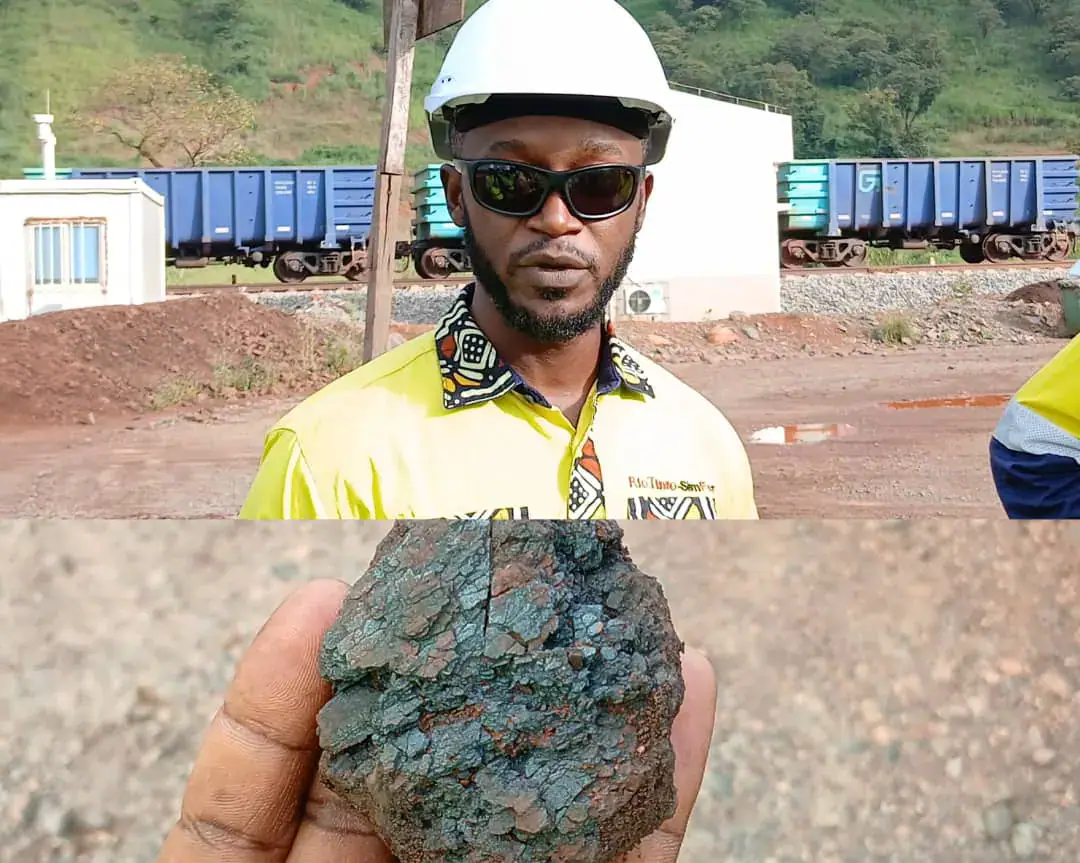
The geological characteristics of the Simandou chain are a crucial aspect of the project. According to Zézé Kalivogui, Superintendent of Mining Geology, the chain stretches for 110 kilometers across the prefectures of Macenta, Beyla, and Kérouané. This extensive geological formation is primarily composed of high-grade iron ore, making it a world-class deposit. The unique composition of the ore, which includes hematite and hematite-goethite, is the result of a long natural process.
The natural process that formed the Simandou deposit is a complex one. According to Kalivogui, the process involved the alteration of initial rock formations over millions of years, resulting in the elimination of impurities and the concentration of iron ore. This process, known as supergene enrichment, was facilitated by the circulation of groundwater, which played a crucial role in shaping the deposit.
The exploration of the Simandou project involved extensive research and geological investigations. Rio Tinto acquired the permit for the project in 1997 and has since conducted detailed mapping, geophysical surveys, and drilling campaigns. According to Kalivogui, over 400 kilometers of drilling have been completed to date, providing a comprehensive understanding of the deposit's characteristics.
The Simandou project is a significant undertaking that requires a deep understanding of its geological and technical aspects. The project's development has involved years of planning and research, and its successful execution will depend on the continued application of advanced geological and mining techniques. The project's impact on Guinea's economy and infrastructure is expected to be substantial.
The visit to the Simandou project provided a unique opportunity to witness the scale and complexity of the operation. The project's infrastructure, including its mining facilities and transportation systems, is being developed to support the large-scale extraction of iron ore. The project's success will depend on the effective management of its technical and logistical challenges.
The Simandou project is a major milestone in Guinea's mining sector, and its development is expected to have a lasting impact on the country's economy. The project's geological characteristics, combined with its extensive infrastructure and technical capabilities, make it a significant player in the global iron ore market. As the project continues to unfold, it will be closely watched by industry experts and stakeholders.
Key points
- The Simandou iron ore project is a world-class deposit due to its unique geological characteristics and extensive infrastructure.
- The project's development has involved years of research and geological investigations, including over 400 kilometers of drilling.
- The project's success will depend on the effective management of its technical and logistical challenges.