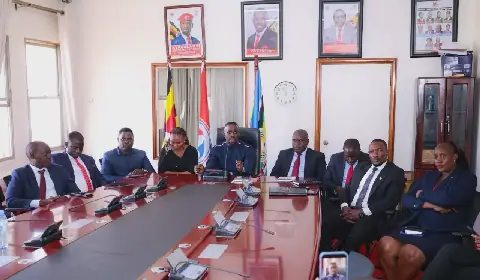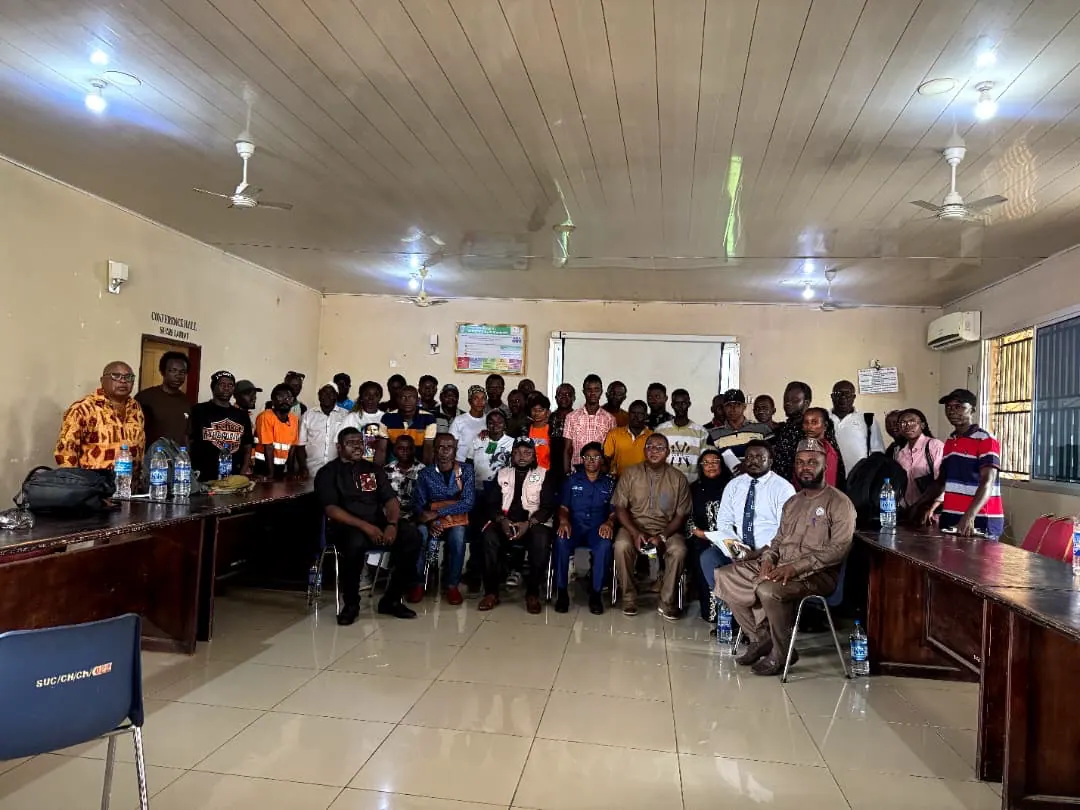
The Sierra Leone Network on the Right to Food (SiLNoRF) has called for improved transparency and fairer benefit-sharing between Miro Forestry Sierra Leone and local communities affected by its operations. This appeal was made during a multi-stakeholder meeting in Makeni, where SiLNoRF presented its report on the impacts of Miro's activities on local communities. The report highlights issues related to land acquisition, community livelihoods, and compensation concerns.
The report, titled “Uprooted Promises: A Case Study of Carbon Credits, Land Rights and Community Impacts in Sierra Leone,” is based on research conducted in October 2025 involving 289 participants from six villages in the Tonkolili and Port Loko districts. The research found that some residents reported inadequate consultation before land was taken for plantation activities. Additionally, areas labelled as degraded land had been used for subsistence farming, indicating a discrepancy between the land's reported status and its actual use.
SiLNoRF noted that many local residents and authorities were unaware of carbon-credit activities, perceiving the land primarily for timber production. Women reported diminished access to fruit trees and firewood and limited engagement in consultations about land payments. This lack of awareness and involvement has led to concerns about the fairness of the compensation provided to communities. The report emphasizes the need for greater transparency and community engagement in land governance decisions.
In terms of compensation, landowners described the US$17 annual rent per hectare as insufficient compared to their lost income from subsistence farming. The report mentioned a proposed community fund of five per cent of net profits, yet landowners claimed communities had not received a share of carbon-credit earnings and there were no mechanisms for revenue sharing. This has led to calls for a review of the compensation structure and greater accountability from Miro Forestry.
Miro Forestry’s Finance Manager, Mohamed Turay, argued that the company should have had a chance to discuss the report prior to its publication and insisted that Miro complies with regulations and standards. Meanwhile, Miro and its project partner, South Pole, contested certain findings and methodologies in the report. This indicates a need for further dialogue and clarification on the issues raised by SiLNoRF.
Despite the controversies, Tonkolili District’s Hon. Aaron Aruna Koroma noted Miro’s significant tree-planting efforts, with around 1.5 million trees planted each year. Paramount Chief Bai Simera Kapen III called for improved community awareness regarding carbon-credit schemes. The discussions concluded with a call for ongoing dialogue, enhanced transparency regarding land agreements and carbon revenues, and better community benefit-sharing.
SiLNoRF recommended reviewing land leases to align with Sierra Leone’s 2022 Customary Land Rights Act, emphasising the need for increased participation from women and affected communities in land governance decisions. The organization urged all stakeholders to work together to address the concerns raised in the report and to ensure that the rights and interests of local communities are protected and respected.
Key points
- SiLNoRF calls for fairer benefit-sharing between Miro Forestry and local communities.
- The report highlights issues related to land acquisition, community livelihoods, and compensation concerns.
- The organization recommends reviewing land leases to align with Sierra Leone’s 2022 Customary Land Rights Act.