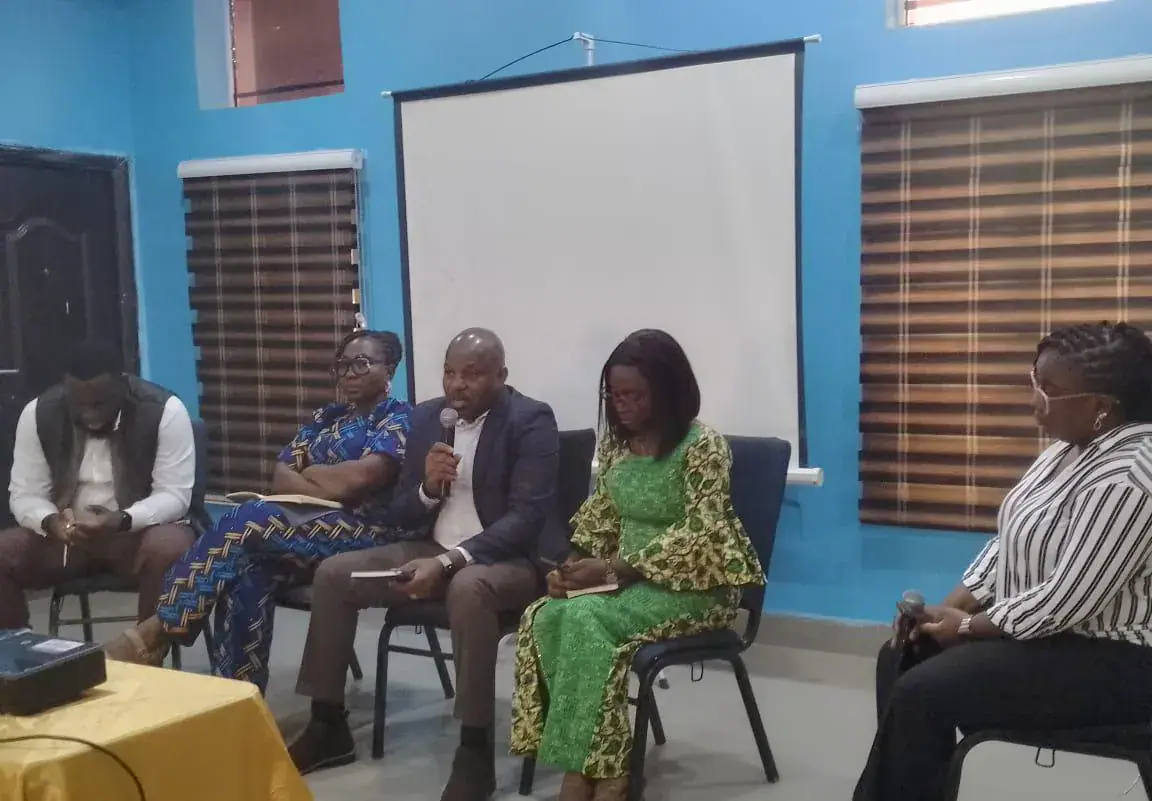
Sightsavers Nigeria has reaffirmed its commitment to promoting disability inclusion and economic empowerment through various initiatives. The organisation's Country Director, Professor Joy Shu'aibu, highlighted their interventions during a two-day workshop for journalists in Keffi, Nasarawa state. The workshop aimed to strengthen media understanding and reporting of disability inclusion and eye health issues in Nigeria. Professor Shu'aibu explained that their programmes address barriers confronting persons with disabilities, particularly young people seeking access to education, employment, and sustainable livelihoods.
One of Sightsavers' notable initiatives is the IT Bridge Academy, which equips young persons with disabilities with professional and technical skills, mentorship, and opportunities for gainful employment. The organisation's Senior Finance Officer, Mr Fabian Tukmen, reported that the initiative has recorded notable successes. Two beneficiaries were recently offered permanent employment by MTN Nigeria after completing their internship programmes, while five others were retained as contract staff by Sterling Bank. This demonstrates the potential for persons with disabilities to secure employment with the right skills and support.
Sightsavers' Inclusion Works programme, supported by UK Aid, connects graduates with disabilities to prospective employers while equipping companies with the capacity to establish inclusive workplaces. The organisation's Country Advocacy Coordinator, Mrs Esther Bature, highlighted this programme as one of their key interventions. Additionally, the Girls Inclusion Partnership Project, implemented in Kano and Edo States, equips young women with disabilities with vocational and entrepreneurial skills. These initiatives aim to promote economic empowerment and inclusion for persons with disabilities.
Sightsavers also focuses on inclusive education programmes that promote learning opportunities for children with and without disabilities. Their programmes aim to address the unique needs of children with disabilities, ensuring they have equal access to education. Furthermore, the organisation's Programme Officer, Dr Joshua Ibenu, disclosed that an estimated 4.2 million Nigerians aged 40 and above were living with blindness or visual impairment. More than one million adults were blind, and approximately 84 per cent of blindness cases were avoidable.
Dr Ibenu stressed the need to improve access to eye health services, early detection, and timely treatment. Sightsavers' Technical Manager for Surgery, Antibiotics, Facial Cleanliness and Environmental Sanitation (SAFE), Grace Ajege, emphasised the importance of environmental sanitation in tackling Neglected Tropical Diseases (NTDs). Improved hygiene and sanitation practices are essential to sustaining gains recorded in communities where interventions have been implemented. This highlights the interconnectedness of health and disability inclusion.
Despite their efforts, Sightsavers identified inadequate funding as a major constraint to expanding its interventions, particularly in underserved communities and states in southern Nigeria. The organisation called for stronger collaboration among government, development partners, and the media to advance disability inclusion, improve access to eye care services, and ensure that persons with disabilities are not left behind. This requires a concerted effort to address the systemic barriers confronting persons with disabilities.
Sightsavers' commitment to promoting disability inclusion and economic empowerment is evident in its various initiatives. The organisation's programmes aim to address the unique needs of persons with disabilities, promoting equal access to education, employment, and healthcare. By working with government, development partners, and the media, Sightsavers hopes to create a more inclusive society where persons with disabilities can thrive. Their efforts have the potential to make a significant impact on the lives of millions of Nigerians with disabilities.
Key points
- Sightsavers Nigeria's initiatives aim to address barriers confronting persons with disabilities, particularly young people seeking access to education, employment, and sustainable livelihoods.