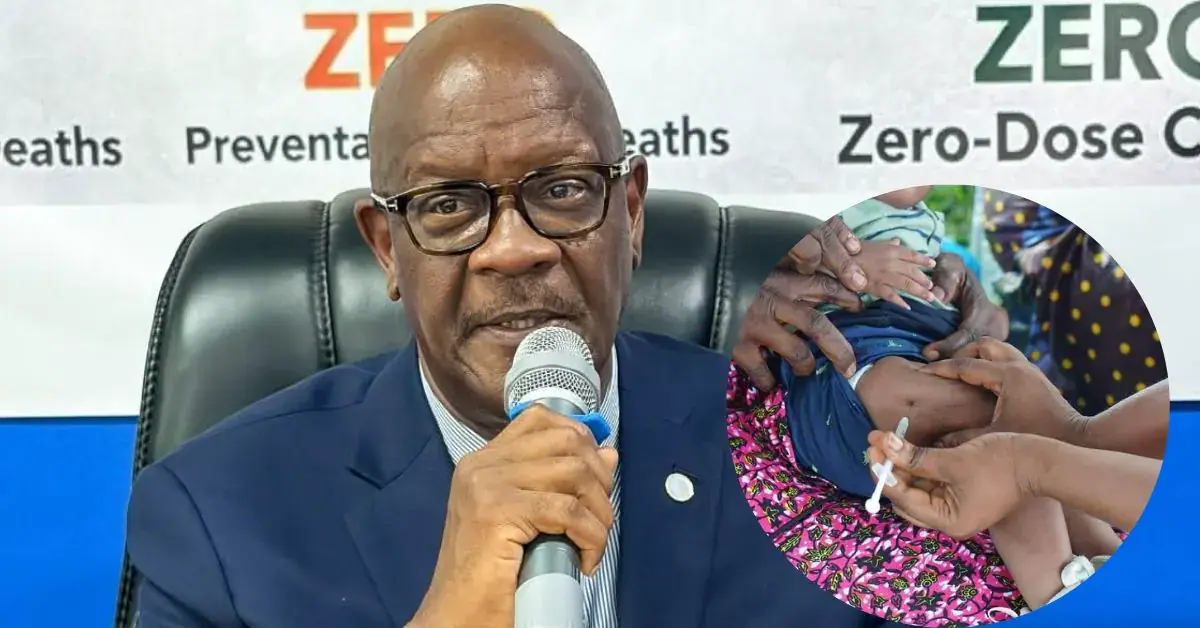
Sierra Leone has secured a US$60.97 million funding allocation from Gavi, the Vaccine Alliance, to strengthen childhood vaccination and support the country’s national immunisation strategy through 2030. The funding, under Gavi’s 6.0 programme, is expected to support the expansion of routine immunisation services, including malaria vaccination and the introduction of the hepatitis B birth-dose vaccine. This development was announced by the Ministry of Health, led by Minister Dr Austin Demby.
According to the information provided, Sierra Leone has maintained routine vaccination coverage above 90% over the past five years. The country has made significant progress in improving access to vaccines and protecting children against preventable diseases. The Ministry of Health continues to implement measures to sustain and improve immunisation coverage.
Part of the funding will support the expansion of malaria vaccination to Western Area Urban, extending coverage beyond the 15 other districts where the vaccine had previously been introduced. The expansion is projected to protect approximately 40,000 additional young children against malaria annually. This move aims to reduce the burden of malaria in the region.
The funding will also support plans to introduce the hepatitis B birth-dose vaccine, with infants born in government health facilities expected to receive the vaccine within 24 hours of birth. The intervention aims to reduce mother-to-child transmission and prevent chronic hepatitis B infection. This is a significant step towards eliminating hepatitis B in Sierra Leone.
To sustain the immunisation programme, the Government of Sierra Leone has reaffirmed its commitment to meeting its required co-financing obligations on schedule. The government’s commitment ensures that the funding will be utilised effectively and that the immunisation programme will be sustainable in the long term.
The funding is expected to strengthen the country’s vaccination programme and improve access to life-saving vaccines for children through 2030. The Ministry of Health will implement the programme in collaboration with Gavi and other stakeholders. The goal is to ensure that all children in Sierra Leone have access to essential vaccines.
The immunisation programme will also enhance the country’s ability to respond to emerging health threats. By strengthening its vaccination programme, Sierra Leone will be better equipped to prevent and control infectious diseases. The programme’s success will depend on effective implementation and collaboration among stakeholders.
Key points
- The funding will support the expansion of routine immunisation services, including malaria vaccination and the introduction of the hepatitis B birth-dose vaccine.
- The expansion of malaria vaccination to Western Area Urban is projected to protect approximately 40,000 additional young children against malaria annually.
- The Government of Sierra Leone has reaffirmed its commitment to meeting its required co-financing obligations on schedule to sustain the immunisation programme.