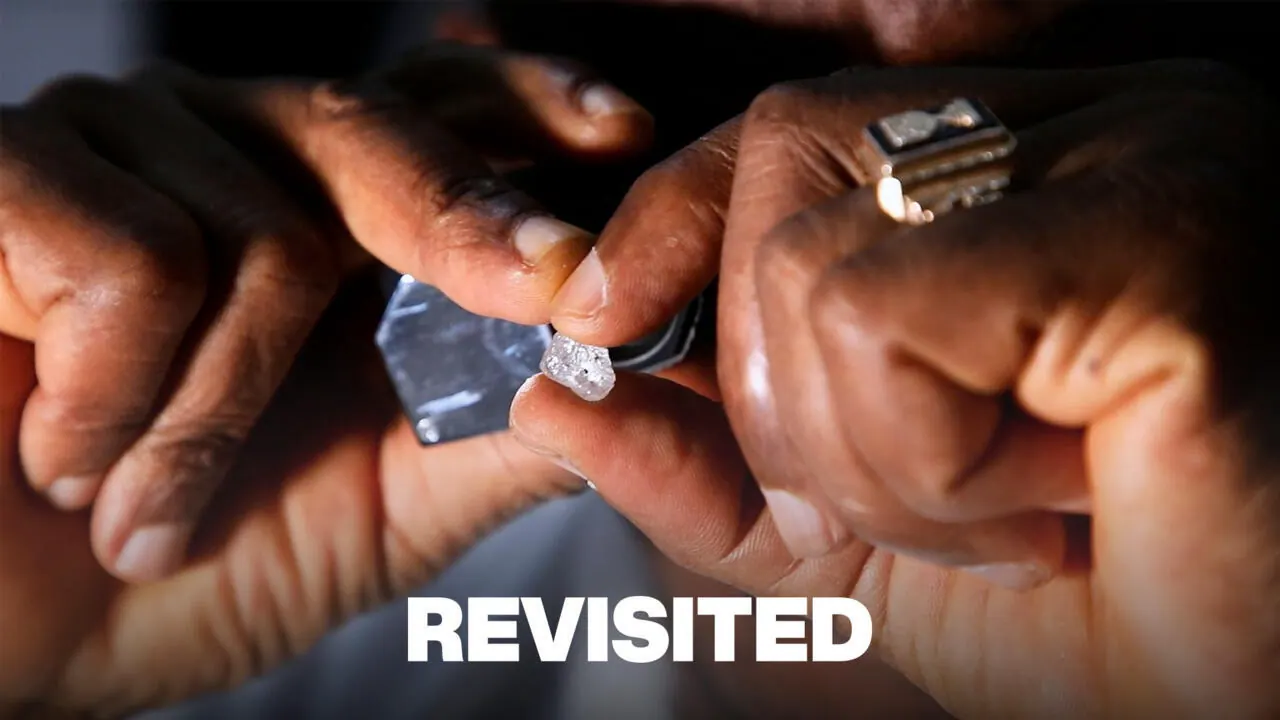
The civil war in Sierra Leone, which lasted from 1991 to 2002, resulted in over 120,000 deaths and thousands of civilians mutilated. The conflict became notorious for its connection to "blood diamonds," with a parallel economy supported by major international firms generating an estimated $125 million annually. This illicit trade funded the fighting, drawing global attention through the 2006 film "Blood Diamond" starring Leonardo DiCaprio.
In response to the scandal, the global diamond industry faced scrutiny and implemented changes to restore its image. The Kimberley Process was established 25 years ago as a system to track the origin of diamonds and prevent similar situations. The industry now claims to prioritize ethical trade and community development. However, in the Kono district, the former epicenter of the "blood diamond" trade, the industry's promises remain unfulfilled.
The Kimberley Process brought together major diamond-producing countries and international companies to create a system for tracing diamonds. This initiative aimed to prevent the repetition of past events and promote responsible diamond sourcing. Despite progress, concerns persist about the effectiveness of the Kimberley Process in eradicating the illicit diamond trade.
In Sierra Leone's Kono district, the legacy of "blood diamonds" continues to impact local communities. While the industry asserts its commitment to ethical trade and development, residents and observers question whether sufficient progress has been made. The district still grapples with the consequences of the brutal conflict and the exploitation of its natural resources.
The diamond industry has sought to emphasize its shift toward sustainability and social responsibility. However, critics argue that more work is needed to address the historical injustices and ongoing challenges in Sierra Leone. The country's experience with "blood diamonds" serves as a test case for the industry's ability to transform and prioritize human and environmental well-being.
FRANCE 24's Sarah Sakho and Simon Martin reported on the situation in Sierra Leone, highlighting the complexities and challenges surrounding the diamond industry's efforts to reform. Their report underscores the need for continued scrutiny and evaluation of the Kimberley Process and the industry's commitment to responsible practices.
As the diamond industry continues to evolve, stakeholders are closely watching its progress in Sierra Leone and other countries. The goal is to ensure that diamonds are mined and traded in a way that promotes sustainable development, respects human rights, and prevents the kind of exploitation that occurred during Sierra Leone's civil war.
Key points
- The Kimberley Process was established 25 years ago to prevent the trade of "blood diamonds" and promote responsible diamond sourcing.
- Despite progress, concerns persist about the effectiveness of the Kimberley Process in eradicating the illicit diamond trade.
- The diamond industry faces ongoing scrutiny over its commitment to ethical trade and community development in Sierra Leone.