Former Guinean Prime Minister Sidya Touré, who passed away on September 25, 2026, at the age of 81, has been laid to rest in Ivory Coast. His family had initially been approached by Guinean authorities, who had sent the ambassador to Ivory Coast to the deceased's residence, but they opted for Abidjan for the funeral. The family cited the absence of a family home in Conakry, which had been seized by the government, as the reason for their decision.
The Ivorian President, Alassane Ouattara, has covered the costs of Touré's funeral, a move seen as a gesture of solidarity with his former ally. Touré had fled to Ivory Coast and was granted asylum by Ouattara. The former Prime Minister's decision to be buried in Ivory Coast has sparked mixed reactions, with some questioning why he did not have a family home in Guinea to be buried.
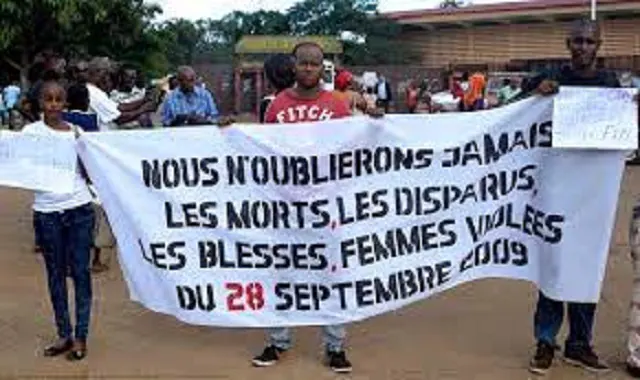
Touré's death comes as Guinea marks the 28th anniversary of the September 28, 2009 massacre, which left at least 156 people dead, hundreds of women raped, and thousands injured. The victims and their families are still awaiting justice and reparations, despite a trial held 15 years after the incident. The Guinean government has been criticized for its handling of human rights, with many opposition leaders and activists facing arrest, exile, or disappearance.
The current government, led by General Mamady Doumbouya, who seized power in a coup on September 5, 2021, has been accused of widespread human rights abuses. The regime has dissolved opposition parties, suspended and shut down media outlets, and forced leaders into exile. These actions have led to concerns that Guinea is sliding into a deeper human rights crisis.
General Doumbouya's government has been criticized for its authoritarian tendencies, with many questioning the legitimacy of its electoral processes. The country's opposition leaders, including former President Alpha Condé and former Prime Ministers Cellou Dalein Diallo and Sidya Touré, have faced persecution and exile. Touré's burial in Ivory Coast has highlighted the plight of Guinean politicians and activists who have been forced into exile.
The Guinean government has been urged to address the country's human rights concerns and ensure accountability for past atrocities. The international community has also been called upon to pressure the government to respect human rights and democratic norms. As Guinea continues to grapple with its turbulent past, the legacy of Sidya Touré serves as a reminder of the country's ongoing struggle for justice and human rights.
Sidya Touré's funeral in Ivory Coast has sparked a national conversation about Guinea's human rights record and the fate of its politicians and activists. As the country looks to the future, there are concerns that the current government's actions will only exacerbate the country's human rights crisis. The international community will be watching closely to see if Guinea's leaders will take steps to address these concerns and ensure a more democratic and just future for its citizens.
Key points
- Sidya Touré, 81, was buried in Ivory Coast after his family rejected Guinea's offer to host the funeral.
- Guinea is marking the 28th anniversary of the September 28, 2009 massacre, which left hundreds dead and thousands injured.
- The country's human rights record has been criticized, with many opposition leaders and activists facing arrest, exile, or disappearance under the current government.