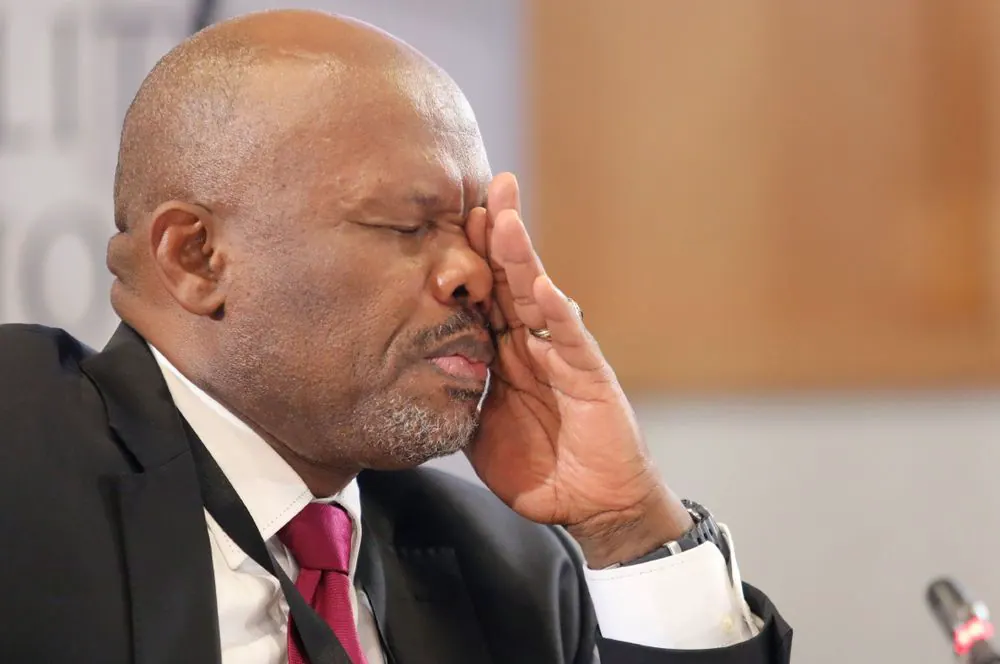
The suspension of Lieutenant-General Shadrack Sibiya, Deputy National Police Commissioner, has sparked concerns about police accountability in South Africa. Sibiya's testimony at the Madlanga Commission of Inquiry revealed alarming details about his personal life, including frequent visits to upscale adult entertainment venues. This has raised questions about the conduct of those in positions of authority and the potential consequences of their actions.
Sibiya's alleged misconduct includes soliciting young women, including an 18-year-old and a 16-year-old, at a men's club in Sandton. Court documents suggest that he may have supplied alcohol to these women before inviting them to a nearby hotel. These allegations have significant implications for the safety and dignity of vulnerable members of society. The incident has also highlighted the need for greater accountability within law enforcement agencies.
The allegations against Sibiya are not isolated, as several high-ranking officials have been implicated in similar scandals. Lieutenant-Generals Dumisani Khumalo and Molefe Fani, as well as metro police's Julius Mkhwanazi, have faced severe repercussions for their alleged involvement in criminal activities. This has raised concerns about the systemic issues within institutions that allow such behavior to flourish.
The scandal has also raised questions about the intersection of power and the consequences of its abuse. Sibiya's actions have undermined the trust that citizens place in law enforcement and have highlighted the need for transformative change. This includes not only legal measures but also societal change that challenges prevailing cultural norms around authority and power.
The implications of this scandal extend beyond Sibiya alone, with a rising tide of high-ranking officials implicated in criminal misconduct. This has significant implications for public trust in law enforcement and governance structures. The incident has also highlighted the need for greater transparency and accountability within leadership.
The allegations against Sibiya have also raised questions about the measures in place to ensure integrity and accountability within leadership. The situation has prompted critical questions about the need for systemic change and the importance of upholding the principles of justice, respect, and safety. Citizens are being urged to demand transparency and accountability within institutions.
The evidence gathered thus far paints a bleak picture of a troubling erosion of confidence in law enforcement and governance structures. To restore faith in institutions, comprehensive reform, community involvement, and relentless advocacy are necessary. This includes measures to ensure transparency in police conduct, therapeutic support for victims of violence and abuse, and educational initiatives aimed at changing societal attitudes.
Key points
- The allegations against Sibiya highlight systemic issues within law enforcement agencies that allow misconduct to flourish.
- High-ranking officials have been implicated in similar scandals, raising concerns about the intersection of power and the consequences of its abuse.
- The scandal has significant implications for public trust in law enforcement and governance structures, highlighting the need for transformative change.