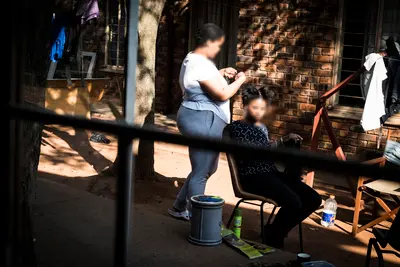
Shelters in South Africa are struggling to provide adequate support to women fleeing abusive relationships, with many survivors facing uncertainty and a lack of resources after leaving their homes. According to Nadia Munsamy, the KwaZulu-Natal representative of the National Shelter Movement of South Africa, shelters are under pressure, with over 40 admission requests received at Sahara Shelter in KwaZulu-Natal over the past three months. Of these, 16 women and 14 children were admitted.
The discovery of multiple women's bodies in Ekurhuleni has intensified concerns about the safety of women and the effectiveness of existing systems in protecting them. Police have stressed that investigators have not established a connection between the cases, but the killings have highlighted the need for a more comprehensive response to gender-based violence. Munsamy emphasized that shelters need to provide more than just a safe bed; survivors require a realistic path to safety and independence.
Financial dependence is a significant barrier for women trying to leave abusive relationships, as many have been prevented from working or have lost access to money and important documents. Shelters have limited beds, and when they are full, women may be referred to other services, including the department of social development helpline and the National Shelter Movement helpline. However, finding alternative placements can be challenging, and women often face a choice between returning to an unsafe relationship or living in unstable conditions.
Sima Diar, programme manager at the Nisaa Institute for Women's Development, noted that shelters encounter women at different points in the cycle of violence, with some arriving after years of abuse and others seeking help following a serious incident. Women may arrive dealing with physical and emotional trauma, financial dependence, homelessness, unemployment, and limited family or community support. Children may also need protection, schooling, and psychological support.
Shelter capacity remains a serious concern, as facilities cannot simply add beds when they are full. More residents require additional social workers, counsellors, security, food, and services for children. Diar argued that South Africa needs a wider continuum of safe accommodation, from emergency shelters to longer-term transitional housing and eventually sustainable independent living. The period after leaving a shelter is particularly critical, as women may need help securing identity documents, accessing social grants, gaining skills, and obtaining legal assistance.
The financial sustainability of shelters is another concern, as government support does not always cover the full cost of providing safe accommodation and survivor services. Shelters rely on donors, corporate partners, and fundraising to cover the remaining costs, and uncertainty around funding can affect basic operations. Diar noted that funding interruptions have contributed to closures or temporary closures in parts of the shelter sector.
Both organisations highlighted the need for urgent changes across the system, including predictable and adequate funding, effective protection orders and policing, and practical pathways towards independence through housing, employment, and childcare. The national strategic plan on gender-based violence and femicide provides a framework covering prevention, survivor support, safety, economic empowerment, and accountability, but the challenge is ensuring these commitments are implemented consistently and that services are available where women need them.
Key points
- Shelters need predictable and adequate funding to provide safe accommodation and survivor services.
- Women need practical pathways towards independence through housing, employment, and childcare.
- A wider continuum of safe accommodation is required, from emergency shelters to longer-term transitional housing and eventually sustainable independent living.