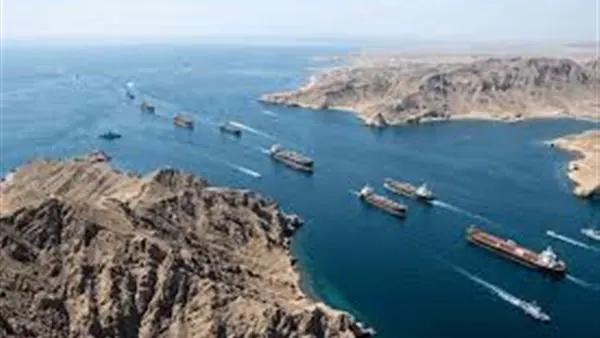
The Strait of Hormuz has witnessed a significant decrease in maritime traffic, with only 12 commercial vessels crossing the strait on Monday, September 21, 2026, compared to around 35 vessels during the same period last week. This decline is attributed to the ongoing tensions in the Gulf and the lack of a breakthrough in the US-Iran crisis. The data, provided by shipping analytics company Kpler, shows that four trackable vessels left the strait on Sunday, including two refined petroleum product tankers and two empty bulk cargo and gas carriers.
On Saturday, five vessels departed from the Gulf, carrying agricultural products, liquefied petroleum gas, and fertilizers, while a large empty gas carrier entered the region. The decline in maritime traffic through the Strait of Hormuz comes as the strait, a critical waterway for global energy supplies, has seen its traffic reduced to limited levels. Prior to the war, the strait was a major passage for around five percent of the world's oil and liquefied natural gas supplies.
Despite the decline in visible maritime traffic, some Middle Eastern energy producers continue to export oil via tankers that cross the strait with their transceivers turned off, making it more difficult to track their movements. This has raised concerns about the security of maritime traffic in the region. The Strait of Hormuz is a vital artery for global trade, with around 125 large commercial vessels, including oil and gas tankers, bulk cargo ships, and container vessels, crossing the strait daily before the US-Iran war.
The ongoing tensions in the Gulf have led to a significant decline in maritime traffic through the Strait of Hormuz, which is a critical passage for global energy supplies. The US-Iran crisis has resulted in a heightened sense of uncertainty and risk, leading to a decrease in commercial vessels crossing the strait. The decline in maritime traffic has also raised concerns about the potential impact on global oil and gas supplies.
The Strait of Hormuz is a vital waterway for global trade, with many countries relying on it for their energy imports. The decline in maritime traffic has raised concerns about the potential impact on global energy security. The situation remains volatile, with many experts warning of the potential for further escalation in the region.
The impact of the decline in maritime traffic through the Strait of Hormuz is being closely watched by global traders and energy experts. The situation has raised concerns about the potential for disruptions to global oil and gas supplies, which could have significant economic implications. The international community remains on high alert, with many countries calling for a de-escalation of tensions in the region.
The decline in maritime traffic through the Strait of Hormuz has significant implications for global trade and energy security. The situation remains uncertain, with many experts warning of the potential for further escalation in the region. The international community will be closely watching the situation, with many countries hoping for a peaceful resolution to the US-Iran crisis.
Key points
- The Strait of Hormuz has witnessed a significant decrease in maritime traffic due to ongoing tensions in the Gulf and the US-Iran crisis.
- Around 125 large commercial vessels crossed the strait daily before the US-Iran war, highlighting the significant decline in maritime traffic.
- The decline in maritime traffic has raised concerns about the potential impact on global oil and gas supplies.