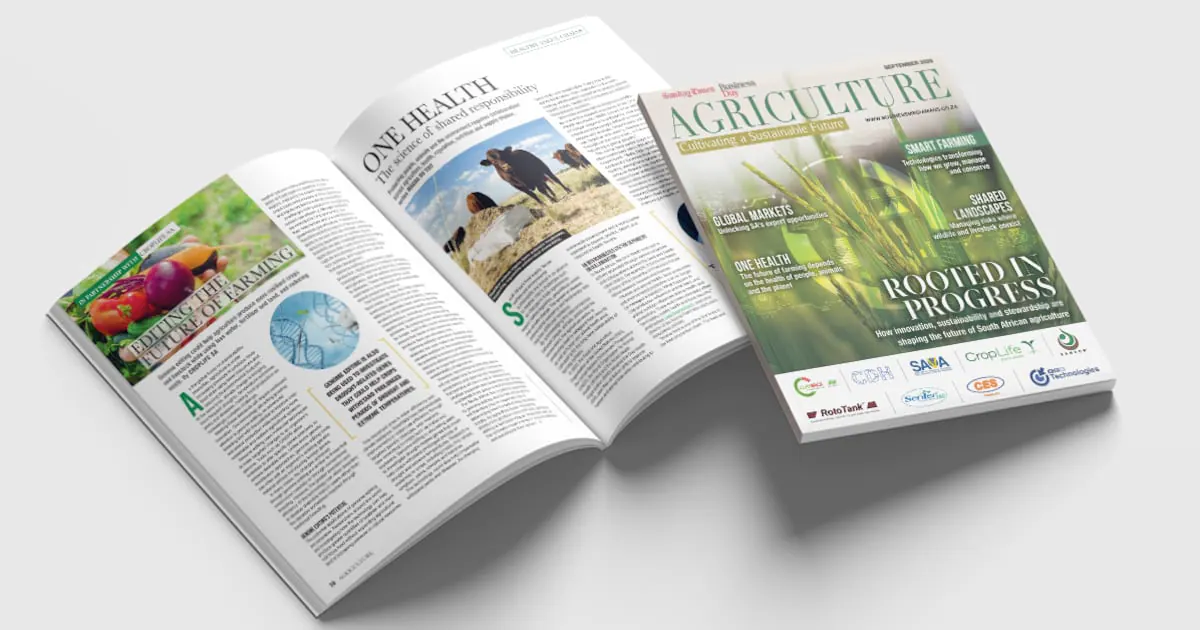
South African agriculture has consistently demonstrated its ability to adapt and evolve in response to a rapidly changing world. The industry has transformed in various aspects, including food production, livestock management, and natural resource conservation. As the world continues to change, the agricultural sector must innovate and adopt sustainable principles to remain competitive. This has led to the exploration of new opportunities and challenges in the industry. The relationship between wildlife and livestock has become increasingly important, with a focus on managing shared landscapes and protecting animal health.
The agricultural sector in South Africa continues to compete in global markets despite facing various challenges. International trade remains a key driver of the industry, with the sector demonstrating its resilience in the face of geopolitical uncertainty and evolving sanitary and phytosanitary requirements. Logistical challenges also pose a threat, but the sector has shown its ability to adapt and overcome these obstacles. The next export opportunities and changing consumer demands are being closely examined, with producers positioning themselves to take advantage of these changes.
The One Health approach has taken centre stage in the exploration of sustainability in agriculture. This approach recognises the interconnectedness of human, animal, and environmental health. The importance of responsible livestock welfare, innovative mechanisation, and irrigation technologies is being examined. These developments aim to promote sustainable agriculture practices and reduce the impact of the industry on the environment.
The relationship between wildlife and livestock is becoming increasingly important in South African agriculture. Managing shared landscapes, protecting animal health, and maintaining productive ecosystems are crucial in this regard. The industry is exploring practical measures to address these challenges and promote coexistence between wildlife and livestock.
Human-wildlife conflict and wildlife crime are significant challenges facing people and wildlife in South Africa. Collaborative approaches are being used to address these issues, with various stakeholders working together to find solutions. The importance of stewardship and responsibility in agriculture is being highlighted, with the industry playing a crucial role in protecting the environment.
Elriza Theron, Editor of The Sowetan, highlights the interconnectedness of the environment and those who share it. This interconnectedness brings with it a profound stewardship responsibility, which those involved in agriculture are stepping up to play. The stories in this issue demonstrate the importance of innovation and sustainability in shaping the future of agriculture.
The future of agriculture in South Africa will be shaped by various factors, including innovation, sustainability, and international trade. The industry must continue to adapt and evolve in response to changing circumstances. By working together and adopting sustainable principles, the agricultural sector can ensure a productive and environmentally friendly future.
Key points
- South African agriculture is evolving with innovation and sustainability to remain competitive in a changing world.
- The One Health approach is being adopted to promote sustainable agriculture practices and reduce the impact of the industry on the environment.
- The industry is working to address challenges such as human-wildlife conflict and wildlife crime through collaborative approaches.