The families of victims of the Shakahola massacre in Kenya are demanding that DNA evidence be preserved before the mass burial of unclaimed bodies. According to Rose Asena, whose five nieces and nephews died in the massacre, the families were informed of the planned burial through the media, causing tension and fear. Asena has been searching for answers and justice for her family members for over three years.
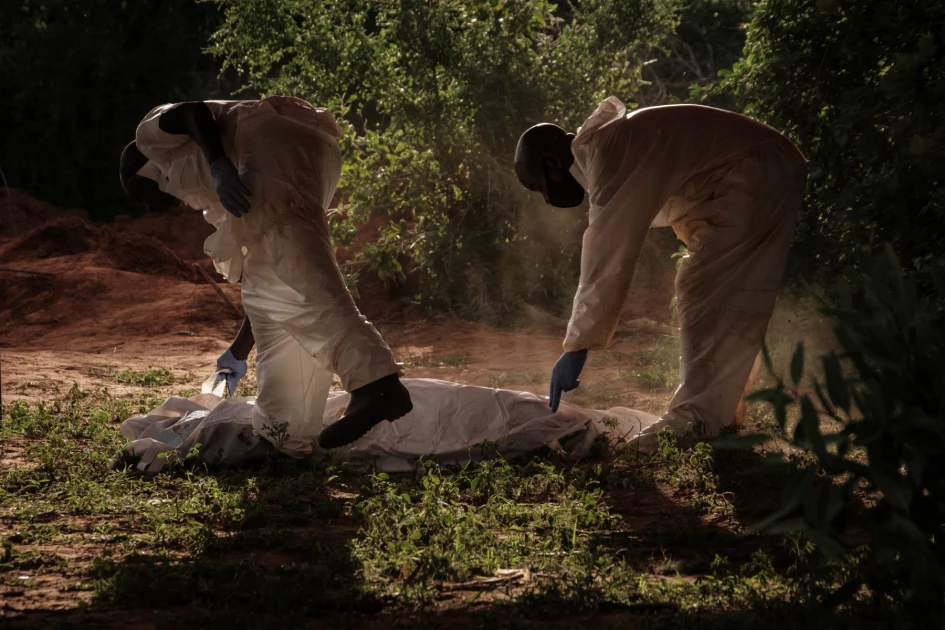
The Shakahola massacre resulted in the deaths of over 400 people, with 443 bodies and body parts still preserved at the Malindi Sub-County Hospital. Only 14 bodies have been positively identified through DNA matching. The county government of Kilifi has set a deadline of December for the mass burial of unidentified and unreclaimed bodies, but the families are opposed to this plan.
Matrona Mangoji, who lost eight family members in the massacre, expressed concerns about the government's handling of the bodies and the lack of communication with the families. Mangoji stated that the families want to know why the government wants to conduct a mass burial and why they have not been provided with documents concerning the reports made about their missing relatives.
The families are demanding that the burial site be turned into a monument for them to visit in the future as they seek closure to this tragic period of their lives. They also want guarantees that the DNA evidence will not be buried with the bodies. According to Asena, the families want to know what will happen to the DNA evidence after the burial and who will be the custodian of these documents.
The county government of Kilifi has given families 21 days to come forward and identify their relatives before proceeding with the burial. However, the families are insisting that they will not bury their loved ones unless the government answers their questions and provides them with the necessary information. The government's silence over the processes surrounding the handling of the bodies has been disturbing, according to the families.
The Shakahola massacre is one of the most tragic religious-inspired killings in Kenya's history. The incident occurred in 2021, and the investigation into the massacre is now complete. The families are seeking closure and answers about the circumstances surrounding the deaths of their loved ones.
The families are calling for the government to provide them with the necessary information and documentation before the mass burial. They also want the government to ensure that the DNA evidence is preserved for future reference. The mass burial is scheduled to take place by the end of the year, but the families are determined to get the answers they seek before it takes place.
Key points
- Families of Shakahola massacre victims demand preservation of DNA evidence before mass burial
- 443 bodies and body parts still preserved at Malindi Sub-County Hospital
- Mass burial scheduled for December, but families oppose plan without guarantees on DNA evidence preservation