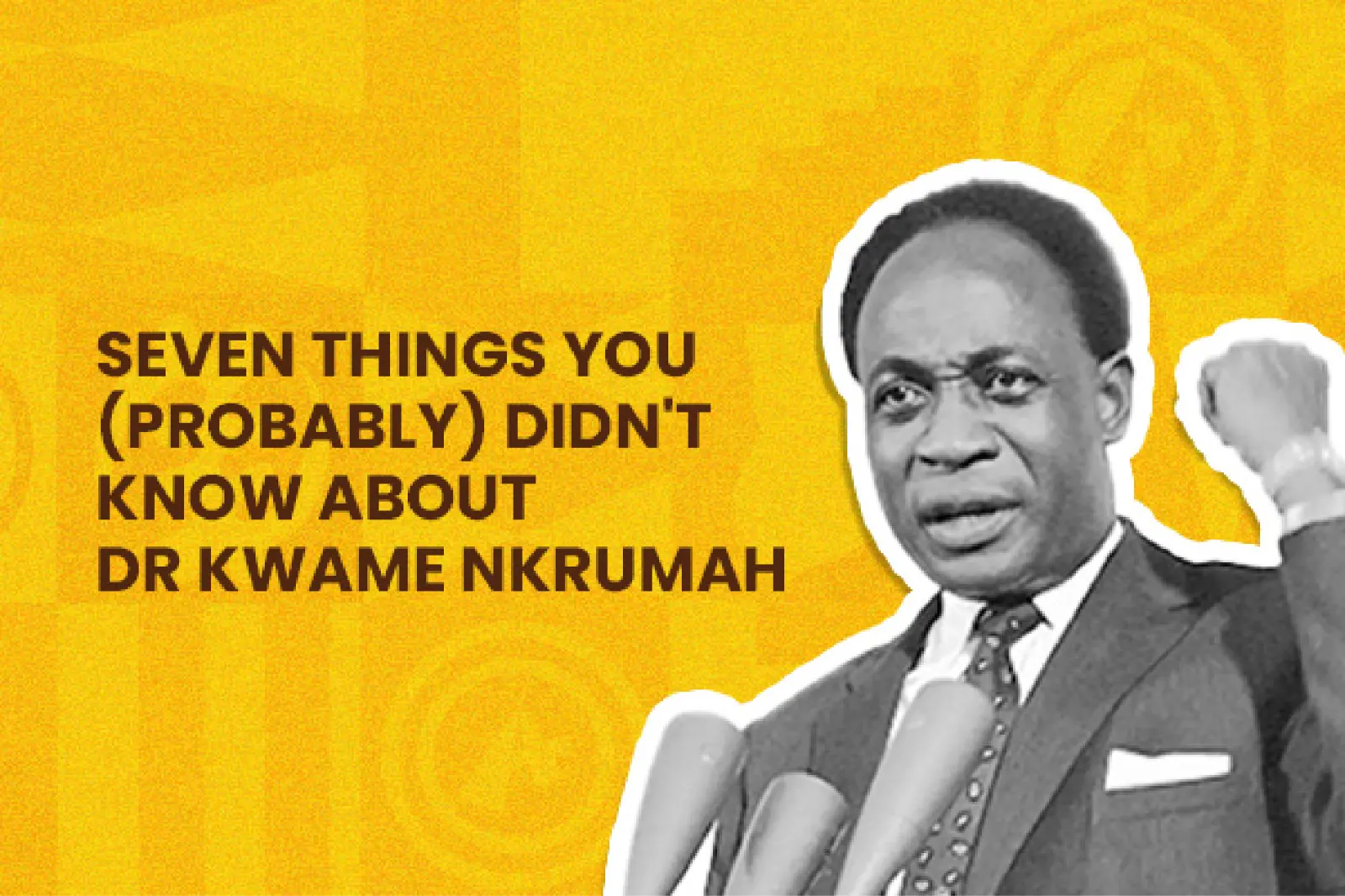
Dr. Kwame Nkrumah was born on September 21, 1909, in Nkroful, Gold Coast, now Ghana. His early life was characterized by a strong desire for knowledge and a growing interest in politics. Nkrumah attended the prestigious Achimota School and later pursued higher education in the United States and the United Kingdom. During his time abroad, he became involved in the Pan-African movement, which aimed to unify African nations and fight against colonial rule.
Nkrumah received numerous honorary awards from five universities, including Lincoln University in Pennsylvania, Moscow State University in the USSR, Cairo University in Egypt, Jagiellonian University in Poland, and Humboldt University in East Germany. These accolades reflect his significant contributions to the fight for African independence and his commitment to education and cultural exchange.
As the first president of Ghana, Nkrumah prioritized economic development and social welfare. His government initiated several projects, including the construction of schools, hospitals, and roads, as well as the establishment of a national airline and shipping line. He was also a vocal advocate for pan-Africanism, calling for unity among African nations to fight against imperialism and colonialism.
Nkrumah played a key role in the formation of the Organisation of African Unity (OAU), which aimed to promote cooperation and solidarity among African countries. However, his rule was not without controversy. His government was criticized for its authoritarian tendencies and the suppression of political dissent. In 1966, Nkrumah was overthrown in a military coup while on a state visit to China.
Nkrumah's personal life was also subject to scrutiny. He married Fathia Ritzk, an Egyptian Coptic bank worker and former teacher, on New Year's Eve in 1957-1958. Interestingly, his bride price to his wife's family was rejected, as Fathia's mother refused to bless their marriage after another of her children left with a foreign husband. The couple had four children: Gamal, Samia, Sekou, and Francis.
Despite his ousting, Nkrumah's legacy as the founding father of Ghana and a champion of African independence remains strong. In 2000, he was voted African Man of the Millennium by listeners to the BBC World Service, being described as a "Hero of Independence" and an "International symbol of freedom." Nkrumah lived the rest of his life in Guinea, where he was named honorary co-president.
Today, Nkrumah's legacy continues to inspire generations of leaders and activists across the continent. His vision of a united and prosperous Africa remains a guiding force for many. As a testament to his impact, Nkrumah's life and achievements continue to be celebrated and studied by scholars and historians around the world.
Key points
- Dr. Kwame Nkrumah was awarded honorary doctorates by five universities.
- Nkrumah's government was criticized for its authoritarian tendencies and the suppression of political dissent.
- Nkrumah was voted African Man of the Millennium by listeners to the BBC World Service in 2000.