Seven Ethiopian rebel groups have announced the formation of a new alliance, the Alliance for Survival, with the goal of removing the government in Addis Ababa. The groups, which have been fighting the Ethiopian authorities in different parts of the country, claim that the government has presided over "war, genocide, mass destruction and utter poverty". They also accuse the government of putting Ethiopia at risk of disintegration.
The Alliance for Survival brings together a diverse range of rebel groups, including the Fano militia in Amhara, the Oromo Liberation Army (OLA), and the Tigray People's Liberation Front (TPLF). Four other smaller groupings from the Somali, Afar, and Benishangul-Gumuz regions make up the coalition. These regions account for half of Ethiopia's 12 regional states, which are structured largely based on their dominant ethnic groups.
The formation of the Alliance for Survival has been met with skepticism by some analysts, who question the ability of the groups to work together effectively. Edward Bach, an analyst from advisory firm Verisk Maplecroft, noted that the groups were "unlikely to share weapons… as your ally today can be your enemy tomorrow". This sentiment is rooted in the complex history of the groups, some of which have previously fought against each other.
Despite these challenges, the groups in the Alliance for Survival claim that they are committed to working together to achieve their goals. Abdikadir Addaani Hirmooge, the spokesman for the Ogaden National Liberation Front (ONLF), which is part of the alliance, stated that the groups are working to bring together communities that have been divided against one another. He emphasized that their objective is to promote democracy and self-determination.
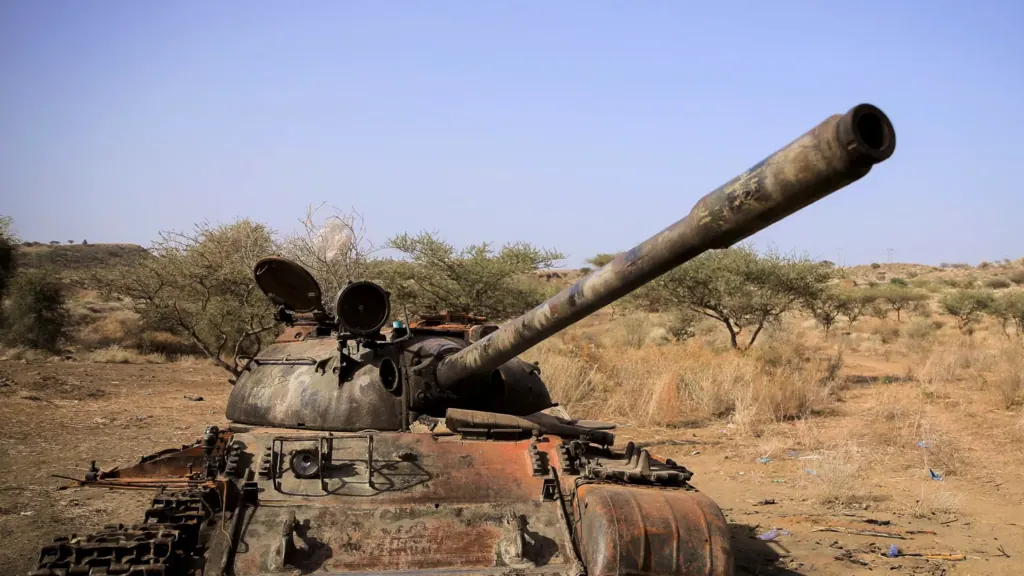
The government of Prime Minister Abiy Ahmed has faced criticism for its handling of the conflicts in various regions. The OLA has been fighting the government since 2018, and there have been renewed tensions in the northern Tigray region, where a two-year civil war left hundreds of thousands dead and displaced millions. An African-Union peace deal ended that war in 2022, but there have been fears of a return to full-scale conflict.
The government has responded to the formation of the Alliance for Survival, with Prime Minister Abiy Ahmed's spokesperson Billene Seyoum stating that the groups had already been collaborating for some time. The government has not provided further comment on the alliance, but Abiy Ahmed has expressed confidence in Ethiopia's "defensive capabilities".
The announcement of the Alliance for Survival coalition comes months after reports of an alleged alliance between TPLF and neighbouring Eritrea. The development has raised concerns about the stability of the region and the potential for further conflict.
Key points
- The seven rebel groups have formed a coalition to challenge the government in Addis Ababa.
- The groups claim that the government has presided over "war, genocide, mass destruction and utter poverty".
- Analysts have expressed skepticism about the ability of the groups to work together effectively.