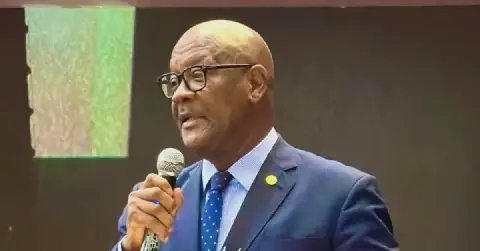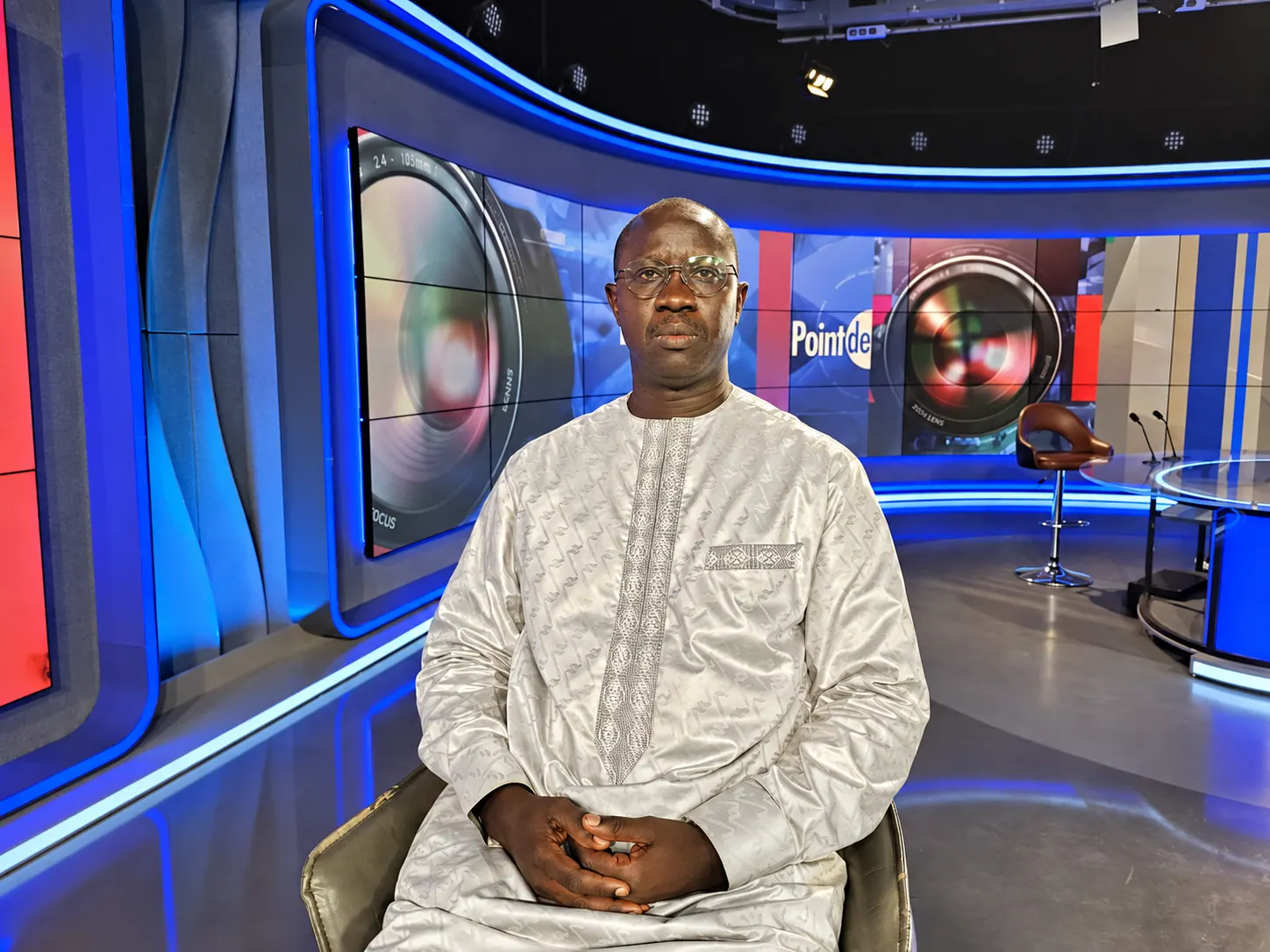
The relationship between Senegal's Executive and Parliament can experience periods of harmony and discord. Dr. Mor Fall, a public law lecturer at the University of Cheikh Anta Diop in Dakar, notes that understanding the role of constitutional rules in the functioning of Senegalese institutions is crucial. In situations of political concordance, institutional differences tend to recede into the background. However, when political relations deteriorate and a breach of trust occurs, the Constitution becomes a vital reference framework.
According to Dr. Mor Fall, the Constitution serves as a "bulwark" in times of tension between the powers. This "bulwark" function is ensured by various mechanisms that help contain tensions, including the distribution of competencies, procedures outlined in the Constitution, and the role of the Constitutional Council. Dr. Fall stresses the need to avoid reducing institutional functioning to a permanent resort to confrontation mechanisms. Instead, he advocates for a "logic of collaboration" based on the fluidity of information and respect for the attributions of each institution.
Dr. Mor Fall's analysis aligns with the President of the Republic's discourse on the need for collaboration between institutions. Even in the presence of political disagreements, public officials must ensure that institutional interests and those of the Nation are not subordinated to partisan divisions. The issue of dissolving the National Assembly is also part of this equation. Dr. Fall recalls that this is a prerogative provided for in Article 87 of the Constitution, but its potential implementation must be evaluated based on the context and circumstances.
The scholar emphasizes that the dissolution of the National Assembly should not be considered in isolation from other institutional mechanisms. Dialogue remains a possible path as long as institutions can function together. When tensions escalate, constitutional instruments allow for the framing of disagreements. In this architecture, the Constitutional Council occupies a special place, intervening in conflicts of competence between public authorities, particularly on the delimitation of their respective prerogatives.
Dr. Mor Fall also discusses the presidential oath, provided for in Article 37 of the Constitution, in the context of accusations of "treason" in the political debate. He believes that the oath goes beyond a symbolic dimension, representing a solemn commitment taken before the people, which places the presidential function above partisan affiliations. The oath-taking is thus a moment when the commitments related to the exercise of the presidential function take on a legal and institutional dimension.
Dr. Fall distinguishes between political commitment and institutional commitment. Once invested in his functions, the President of the Republic is called upon to exercise his responsibilities within the framework of institutions and with regard to the interests of the Nation. In a context marked by divergences between the Executive and Parliament, the scholar considers that institutional stability relies less on the absence of disagreements than on the ability of powers to manage them through dialogue, respect for competencies, and the mechanisms provided for by the Constitution.
Ultimately, Dr. Mor Fall insists on the importance of preserving the Republican calendar while taking into account emergencies. He sees the upcoming plenary sessions as a "logic of confrontation" and urges a collaborative approach. The stability of Senegalese institutions depends on their ability to manage tensions and disagreements within the framework of the Constitution.
Key points
- Dr. Mor Fall advocates for a "logic of collaboration" between the Executive and Parliament.
- The Constitution serves as a "bulwark" in managing tensions between the powers.
- The presidential oath represents a solemn commitment to exercise the presidential function above partisan affiliations.