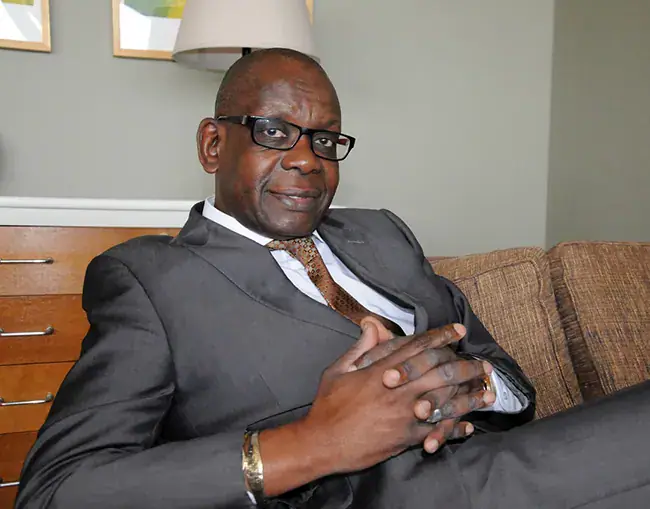
In a recent opinion piece, Professor Khadiyatoulah Fall emphasized the importance of open dialogue in Senegal's budget discussions. He noted that controversies surrounding the proposed revised finance law raise questions about the conditions under which a leader can acknowledge the validity of an opposing argument without losing the authority to act. Fall argues that the country's dialogue culture needs to be strengthened to allow for the possibility of changing one's position based on valid arguments.
Professor Fall highlights that when leaders are unwilling to concede or change their stance, it creates a contradiction at the heart of public life. He notes that leaders not only address their immediate interlocutors but also their supporters, opponents, and citizens who interpret their actions. As a result, leaders must balance defending their position with being open to changing their minds. Fall believes that this requires a culture of dialogue that allows leaders to explain and justify their decisions.
The professor emphasizes that not all changes in position are equal and that some revisions may be driven by self-interest or convenience. He argues that when leaders do change their position, they should be able to explain what they have learned, what they are preserving, and what they are changing, as well as the consequences they expect. This, Fall believes, is essential for building trust and accountability in public decision-making.
In the context of budget discussions, Fall argues that the government should explicitly state the assumptions and consequences of its choices. He also believes that parliamentarians should clearly articulate their objections and proposed modifications. This, he notes, would enable citizens to understand how discussions have shaped the final decision. The quality of dialogue, Fall argues, is measured by the real possibility that an argument can change a decision.
Professor Fall also highlights the role of the media, social media, and civil society organizations in promoting open dialogue. He notes that the way these actors frame discussions can either open up or close off possibilities for finding solutions. Fall warns that if every concession is seen as a humiliation, it can create a culture of entrenched positions.
The professor concludes that Senegal needs to develop a culture of public dialogue that values the exchange of arguments and the willingness to revise decisions. He argues that this requires a shift in how citizens, leaders, and the media approach discussions. By fostering a culture of open dialogue, Fall believes that Senegal can build a more inclusive and effective decision-making process.
Ultimately, Professor Fall's call for open dialogue in budget discussions reflects a broader aspiration for democratic governance in Senegal. He hopes that by promoting a culture of dialogue and accountability, the country can strengthen its democratic institutions and build trust between citizens and leaders.
Key points
- A Senegalese professor is advocating for open dialogue and a willingness to revise decisions in the country's budget discussions.
- Professor Khadiyatoulah Fall argues that a culture of dialogue is essential for building trust and accountability in public decision-making.
- The quality of dialogue is measured by the real possibility that an argument can change a decision.