The "Dictionnaire mandinka-français" is a comprehensive 633-page dictionary that has taken ten years to research, collect, and verify. It focuses on the variant of Mandinka spoken in the Pakao region of Senegal. The dictionary aims to document the everyday language used by native speakers, including common vocabulary, idiomatic expressions, and contemporary usage.
The dictionary is more than just a lexicographical exercise; it provides insights into the semantics and historical context of the Mandinka language and its speakers. It includes examples of usage, grammatical explanations, and tonal transcriptions, making it a valuable resource for linguists, researchers, and anyone interested in learning about the language and culture.
One of the unique features of the dictionary is its attention to the tonal system of the Mandinka language. The authors have developed a system of notation to represent the tones, which are essential to the language's oral tradition. This feature sets the dictionary apart from other language resources and demonstrates the authors' commitment to precision and accuracy.
The dictionary also includes modern terms and expressions, such as "pérésídáŋ" (president) and "dèpítêe" (deputy). These entries are accompanied by example sentences that illustrate how the words are used in context. This approach helps to capture the nuances of everyday language and provides a more detailed understanding of how the language is used in practice.
The publication of the dictionary is seen as a significant contribution to the preservation and promotion of Senegalese culture and language. Yaya Dramé, one of the authors, notes that the dictionary is a gesture of conservation and a guarantee for the future of the Mandinka language. The dictionary is expected to be useful for students, researchers, and anyone interested in learning about the Mandinka language and culture.
The Mandinka language is part of the larger Mandingue language family, which includes languages such as Bambara, Malinké, and Dioula. These languages have a rich history and cultural significance in West Africa, and the dictionary helps to document and preserve this heritage.
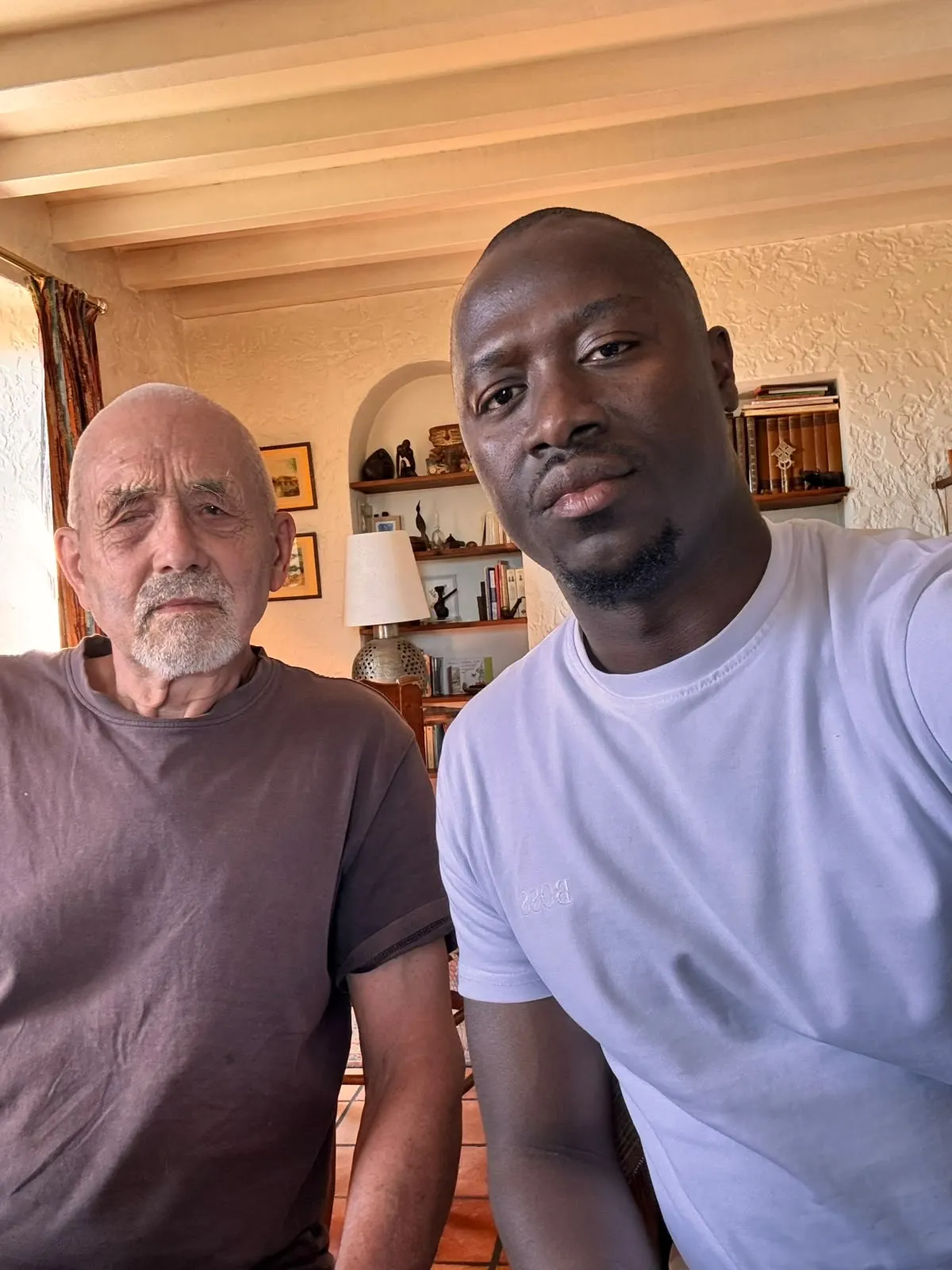
The authors of the dictionary, Denis Creissels and Yaya Dramé, bring a wealth of expertise and experience to the project. Creissels is a renowned linguist with decades of research experience in West Africa, while Dramé is a native speaker of Mandinka and has dedicated ten years to documenting his native language. Their collaboration has resulted in a valuable resource that will be of interest to linguists, researchers, and anyone interested in learning about the Mandinka language and culture.
Key points
- The dictionary documents everyday Mandinka language usage, including common vocabulary and contemporary expressions.
- The dictionary includes a unique tonal transcription system, which is essential to the language's oral tradition.
- The publication of the dictionary is seen as a significant contribution to the preservation and promotion of Senegalese culture and language.