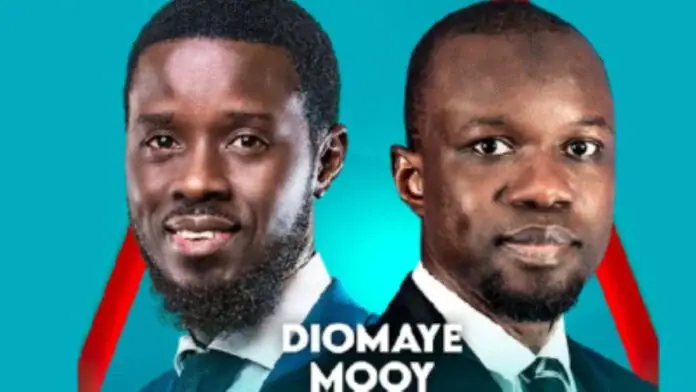
A confrontation between Senegalese President Bassirou Diomaye Faye and his former Prime Minister Ousmane Sonko, now President of the National Assembly, is affecting the functioning of state institutions. The opposition party, Patriotes africains du Sénégal (PASTEF), led by Sonko, has blocked a revised finance bill, citing concerns over the allocation and use of funds. This move has raised fears of a potential state deadlock.
The PASTEF party, which holds a majority in the National Assembly, initially rejected the finance bill in committee. The party claims that there are too many unclear areas regarding the origin and destination of credits, and therefore, they cannot vote on the bill in its current form. However, Prime Minister Faye accuses Sonko and his party of trying to "punish the people" and pursuing a personal vendetta.
The rift between Faye and Sonko has been escalating since their split, with both leaders seeking to outmaneuver each other. This situation has raised concerns that Senegal may become a victim of their differences, potentially harming the country's stability. The incident highlights the fluid nature of alliances in African politics, where relationships can quickly change based on circumstances and interests.
The government's response to the rejection of the finance bill remains uncertain. However, it has stated that it will not back down and may use "all institutional tools" to pass the bill. One possible mechanism is Article 86, alinéa 6 of the Constitution, which would allow the bill to be adopted without a vote. This move could lead to a motion of censure against the Prime Minister, which would likely pass given the PASTEF's majority in the Assembly.
The situation is particularly sensitive given the upcoming Youth Olympic Games in Dakar, scheduled from October 31 to November 13, 2026. The government may be hesitant to take drastic measures to avoid drawing negative attention during this international event. Nevertheless, the issue remains unresolved, and the country is caught between the demands of its population and the requirements of the International Monetary Fund (IMF).
The current standoff between Faye and Sonko may have significant consequences for Senegal's future. If the two leaders fail to find a compromise, they risk being sanctioned by voters in future elections. The situation highlights the need for a resolution to prevent further instability and ensure the country's continued progress.
The impasse between the government and the PASTEF party has created uncertainty about Senegal's economic and political future. As the country navigates this challenging period, its leaders will need to find a way to balance their differences and work towards the nation's interests. The outcome of this confrontation will likely have far-reaching implications for Senegal's stability and development.
Key points
- The Senegalese government's finance bill has been rejected by parliament due to opposition from the PASTEF party, led by Ousmane Sonko.
- The rift between President Bassirou Diomaye Faye and Sonko is affecting state institutions and raising concerns about a potential state deadlock.
- The situation may have significant consequences for Senegal's future, including the possibility of a motion of censure against the Prime Minister.