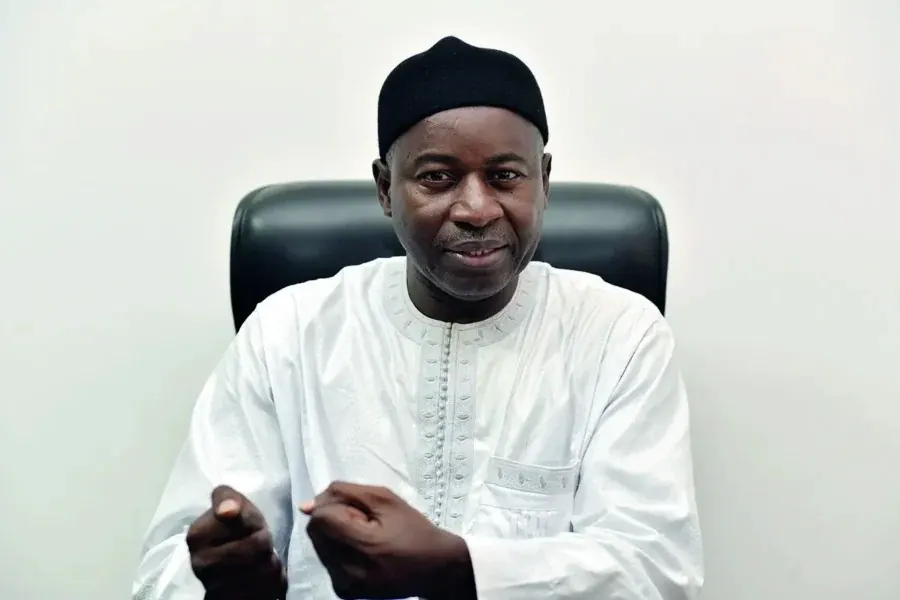
The Senegalese government is seeking to update its mapping of Quranic schools, known as "daaras," and places of worship. The last census of these institutions dates back to 1913, according to Pr. Djim Ousmane Dramé, Delegate General for Religious Affairs. This outdated information hinders the government's ability to provide adequate support to these institutions.
Pr. Dramé made the remarks during a meeting with representatives from associations of Quranic teachers. He emphasized the importance of having accurate and up-to-date information on these institutions, which play a significant role in the country's education and socialization of young people. The Quranic schools have been an integral part of Senegalese society for nearly a thousand years.
According to the Ministry of Education, approximately 20,000 Quranic schools have been identified in the country. However, Pr. Dramé stressed that this number may not be comprehensive, and an updated mapping is necessary to ensure that all institutions are accounted for. This initiative is part of a broader effort to support Quranic schools and address the challenges they face.
One of the primary challenges facing Quranic schools is the lack of resources. Pr. Dramé noted that supporting these institutions is crucial for ensuring social security in Senegal. The Quranic schools not only provide education but also play a vital role in shaping the moral and social values of young people.
The Federation of Quranic Schools, represented by Mansour Samb, has a presence in all 557 communes of Senegal. This highlights the widespread reach and influence of these institutions across the country. An updated mapping will enable the government to better understand the scope and diversity of Quranic schools and places of worship.
The initiative to update the mapping of Quranic schools and places of worship is part of a broader effort to promote education and social development in Senegal. By working closely with associations of Quranic teachers and other stakeholders, the government aims to provide more effective support to these institutions and promote their continued growth and development.
The updated mapping is expected to provide valuable insights into the current state of Quranic schools and places of worship in Senegal. This information will enable policymakers to develop targeted strategies to address the challenges facing these institutions and promote their continued contribution to Senegalese society.
Key points
- The Senegalese government is seeking to update its mapping of Quranic schools and places of worship, which has not been comprehensively done since 1913.
- The updated mapping aims to provide accurate and up-to-date information on Quranic schools, which play a significant role in education and socialization in Senegal.
- The lack of resources is a primary challenge facing Quranic schools, and the government hopes to address this issue through the updated mapping and targeted support.