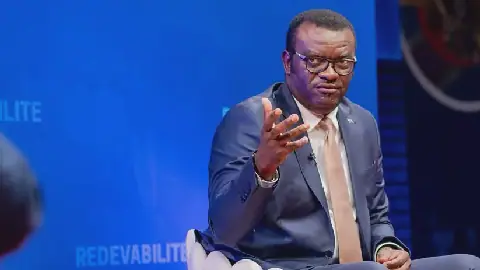
Senegal is facing increasingly intense heatwaves, with Dakar, the capital city, experiencing unprecedented temperatures. According to data from the European Copernicus program, August 2026 was the hottest on record globally. This trend is putting pressure on the country's urban planning model, which needs to be adapted to address the challenges posed by climate change. Geographer Cheikh Ahmed Fadel Diouf is calling for a transformation of urban planning and architecture to create more resilient and livable cities.
Diouf emphasizes that adaptation must be at the forefront of public policies, particularly in tropical countries like Senegal. The country's urban planning model must be revised to prioritize climate considerations from the outset. This involves reducing the use of carbon-intensive materials and promoting locally adapted construction techniques. Buildings should be designed to maximize natural ventilation, limit heat accumulation, and improve thermal comfort for occupants.
The expert recommends incorporating traditional materials and techniques that are well-suited to tropical conditions. He also advocates for urban planning policies that prioritize green spaces, parks, and shaded areas. These measures can help mitigate the urban heat island effect and create more livable cities. Furthermore, Diouf stresses the need for a comprehensive approach that goes beyond individual buildings to address the urban fabric as a whole.
Diouf suggests that cities can be designed to be more compact, but with careful consideration of climate factors. In some cases, it may be beneficial to develop more open and green neighborhoods with public spaces that help to mitigate the urban heat island effect. The goal is not to reject compact cities entirely but to adapt density to the local climate, avoiding excessive concentrations of impervious surfaces like concrete and asphalt.
The geographer emphasizes the importance of anticipating and preparing for more frequent and intense heatwaves, rather than simply reacting to them. Senegal must develop proactive strategies to address these challenges. This includes creating climate-resilient urban planning policies, promoting green infrastructure, and educating citizens about the risks associated with heatwaves.
Diouf's recommendations are part of a broader effort to address the impacts of climate change in Senegal. The country is already experiencing the effects of climate change, including rising temperatures, changing precipitation patterns, and increased frequency of extreme weather events. By rethinking its urban planning model, Senegal can reduce the vulnerability of its cities and create more sustainable and resilient communities.
The Senegalese government has been working to address environmental challenges, including the restoration of mangroves, the protection of coastal areas, and the promotion of sustainable agriculture practices. The country's efforts to address climate change are critical to ensuring the well-being of its citizens and protecting its natural resources for future generations.
Key points
- Senegal's urban planning model must be adapted to address the challenges posed by climate change.
- The country must prioritize adaptation and resilience in its urban planning policies.
- Green infrastructure and climate-resilient design can help mitigate the urban heat island effect and create more livable cities.