The importance of artificial intelligence (AI) in shaping the future of Senegal and Africa has become a widely accepted notion. To remain relevant in the rapidly changing scientific and technological landscape, the country's youth must master AI and related disciplines. This requires a comprehensive overhaul of the education system, from preschool to higher education, and vocational training. The transformation cannot be achieved by a few exceptional individuals alone; it demands a collective effort.
Senegal's universities have a crucial role to play in this transformation. Their academic autonomy should not be seen as a shield against the outside world but as the freedom and responsibility to anticipate and innovate. Universities must be proactive in creating curricula that prepare students for the jobs and knowledge of the future. The introduction of computer science at the University of Gaston Berger in the 1990s and the development of telecommunications in the 2000s demonstrate that universities can pioneer new disciplines even with limited available expertise.
The development of AI in Senegal requires a multidisciplinary approach, incorporating data science, cybersecurity, image and vision, robotics, biomechanics, and life sciences. The goal is to create a critical mass of skilled professionals who can contribute to various sectors, including education, economy, healthcare, administration, culture, and society. The country's higher education system, which has experience in distance learning and certification programs, can help make AI knowledge accessible to a broader audience.
AI is no longer an optional tool but a necessary partner in knowledge production. Recent advancements in AI have shown how quickly the boundaries of possibility are expanding. Senegal, like many African countries, has a large, curious, and intelligent youth population. However, this potential must be accompanied by rigorous education, scientific and technical learning, and the ability to transform knowledge into innovation, entrepreneurship, and employment.
The integration of AI in education also raises questions about the role of teachers and the curriculum. The changing relationship between humans and machines necessitates a rethinking of the education system. Those who will be able to choose whether to accept or reject this transformation are those who have acquired mastery over it. The rule of knowledge acquisition is clear: progress or be surpassed.
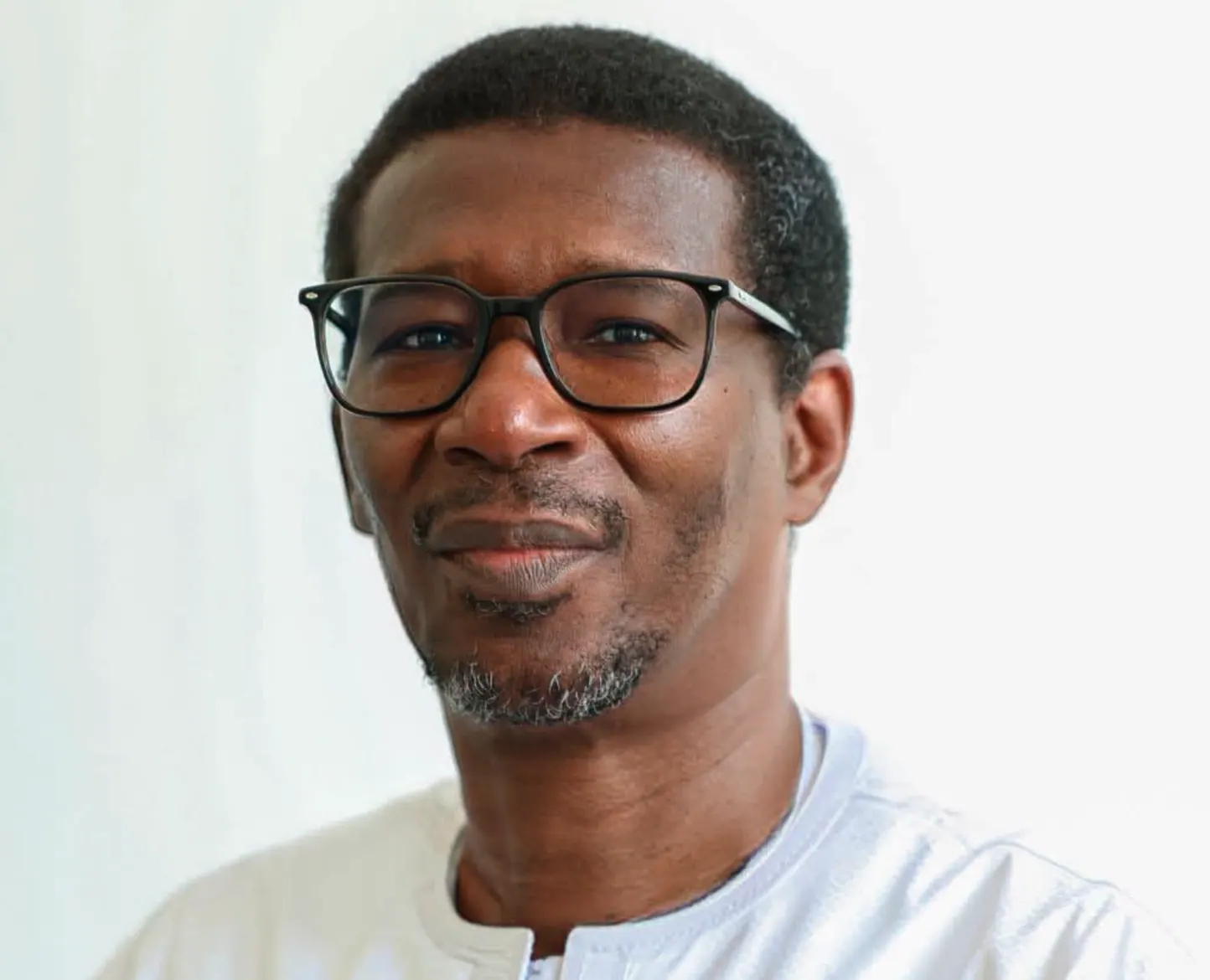
Professor Mary Teuw Niane emphasizes that Senegal's universities must rise to the challenge of harnessing AI and emerging sciences to drive the country's scientific and technological sovereignty. The transformation of the education system is crucial to ensuring that Senegal and Africa remain relevant in the rapidly changing global landscape.
The call to action comes as the country seeks to leverage its youthful population and technological advancements to drive growth and development. By prioritizing AI education and innovation, Senegal can unlock new opportunities for its youth and position itself for success in the global economy.
Key points
- Senegal's education system must adapt to equip youth with AI skills.