The Senegalese government has announced plans to build a 50 MW solar power plant in Louga, as part of its efforts to transition to renewable energy. The project is part of the Just Energy Transition Partnership (JETP), a $2.5 billion initiative backed by France, Germany, the UK, Canada, and the European Union. The plant is one of several initiatives aimed at increasing the country's use of renewable energy.
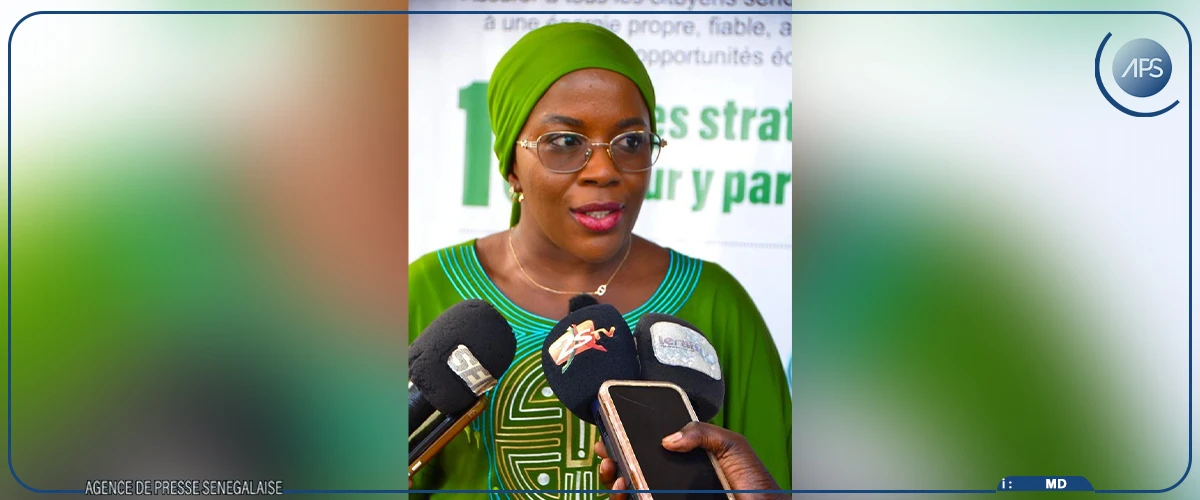
According to Yaye Catherine Diop, Director of Energy Transition at the Ministry of Energy and Petroleum, the solar power plant is one of several major projects aimed at boosting renewable energy in Senegal. The plant will be built in two phases, with one 50 MW unit located in Louga. This will make Louga a key player in the development of renewable energy in the country. The project is expected to contribute to the government's goal of increasing the share of renewable energy in the national energy mix to 40% by 2030.
The just energy transition initiative goes beyond the construction of solar power plants. Other projects are planned for the Louga region, including the hybridization of rural boreholes and initiatives to improve the energy efficiency of public buildings. These projects aim to reduce dependence on conventional energy sources and improve the efficiency of public infrastructure and access to sustainable energy in rural areas.
The Ministry of Energy and Petroleum has emphasized that several projects under the just energy transition initiative have a national scope and are expected to have an impact in various regions, including Louga. The initiative aims to promote universal access to energy, sustainable mobility, modern agriculture, and water management. The government has set a target of increasing the share of renewable energy in the national energy mix to 40% by 2030, up from 27% currently.
Louga is the second region to be visited as part of the Regional Development Committees (CRD) dedicated to promoting the just energy transition strategy. The committees aim to raise awareness among local stakeholders about the challenges and projects related to the energy transition in Senegal. The government has explained that the objective of these meetings is to ensure that local actors are well-informed about the initiatives and projects underway.
The just energy transition strategy has several key components, including universal access to energy, sustainable mobility, modern agriculture, and water management. The strategy also aims to promote energy efficiency and reduce dependence on conventional energy sources. According to Yaye Catherine Diop, the government's goal is to make Senegal a model for sustainable energy development in Africa.
The construction of the 50 MW solar power plant in Louga is a significant step towards achieving Senegal's renewable energy goals. The project is expected to contribute to the country's economic development and improve the quality of life for its citizens. The government has expressed its commitment to continuing the implementation of the just energy transition strategy and achieving its goals.
Key points
- Senegal aims to increase the share of renewable energy in its national energy mix to 40% by 2030.
- The 50 MW solar power plant in Louga is part of a $2.5 billion initiative to boost renewable energy in Senegal.
- The just energy transition strategy includes initiatives to promote universal access to energy, sustainable mobility, and modern agriculture.