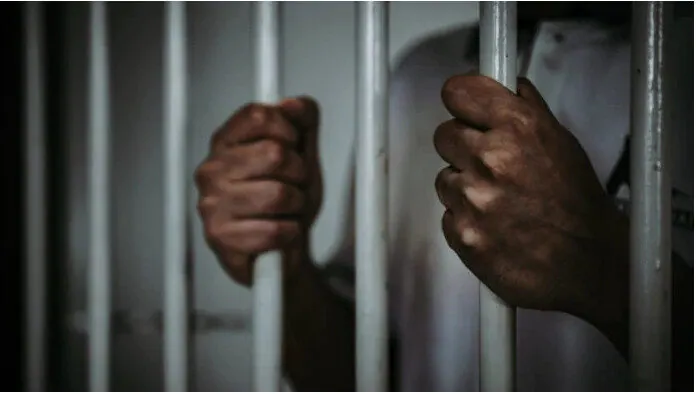
The Senegalese government has revealed that 17,000 minors and young adults under the age of 21 are taken in by the Direction générale de la Protection judiciaire et sociale (Dgpjs) every year. This was announced by Minister of Justice, Me Moussa Sarr, at the opening of a high-level panel discussion on the establishment of a system and fund for the insertion and reintegration of young people in danger or in conflict with the law.
According to Me Sarr, the Dgpjs provides care for minors in conflict with the law, as well as young adults under 21 who are in danger. In 2025, 412 residents of Dgpjs centers successfully passed professional exams, with 311 obtaining certificates and 101 achieving the Certificat d'aptitude professionnelle (Cap) in various fields such as carpentry, hairdressing, and electrical work.
Despite obtaining diplomas, these young individuals face significant challenges. They often lack sufficient support to further develop their skills, and they do not have access to apprenticeships, salaried employment, or microcredits. Me Sarr noted that the government has established the Fonds de réinsertion des mineurs et jeunes majeurs en situation de vulnérabilité, but emphasized that a fund alone is not enough to address the issue.
The Minister of Justice stressed that a collective effort is required to ensure the successful reintegration of vulnerable youth. He called on institutions, companies, and civil society to work together and take responsibility for supporting these young individuals. Me Sarr encouraged public structures to prioritize this category of young people by providing scholarships and establishing quotas.
Me Sarr also urged companies to open their doors to young people, offering internships, training contracts, and first jobs. He emphasized that these young individuals should be seen as opportunities, rather than risks. The Minister of Justice expressed his determination to ensure that no young person is left behind.
The high-level panel discussion aims to establish a coherent framework for protection, reeducation, and reintegration. Me Sarr invited participants to work together to overcome institutional barriers and unite their efforts to support young people. He expressed his hope that the panel would lead to concrete solutions for the reintegration of vulnerable youth.
The Senegalese government is committed to supporting vulnerable youth, and the establishment of a system and fund for their insertion and reintegration is a key step in this process. With the involvement of institutions, companies, and civil society, the government aims to provide young people with the support they need to become autonomous and integrate into society.
Key points
- The Senegalese government has taken in 17,000 minors and young adults under 21 through the Dgpjs each year.
- Despite obtaining diplomas, young individuals face significant challenges in accessing apprenticeships, employment, and microcredits.
- A collective effort is required to ensure the successful reintegration of vulnerable youth, involving institutions, companies, and civil society.