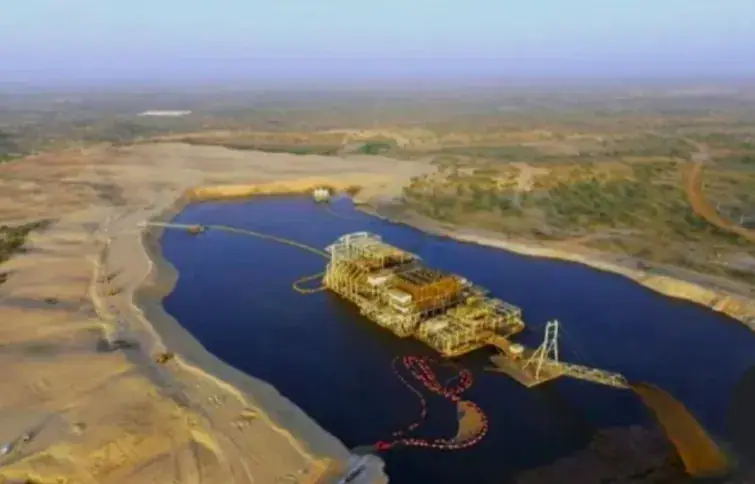
The exploitation of zircon and other minerals has become a significant aspect of Senegal's economy, but it has also raised concerns over its impact on local communities. The mining activities have been linked to environmental and health issues, prompting debates on the responsibility of mining companies. Eramet Grande Côte, a major player in the sector, claims to respect all national and international norms. An investigation by Fama Dione, conducted as part of a six-month fellowship with the Center for Journalism Innovation and Development, examined the real impact of these activities.
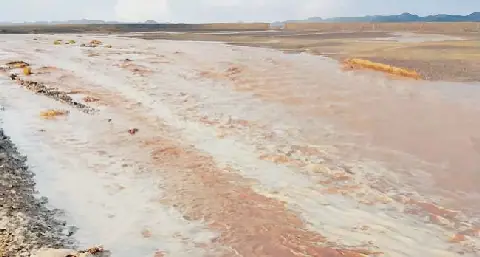
The investigation focused on the effects of zircon mining on local communities, particularly in terms of environmental and health impacts. Residents in areas where mining activities are taking place have reported significant changes in their environment and health. They claim that the mining activities have caused pollution, affecting their air and water quality. The communities also report an increase in health problems, which they attribute to the mining activities.
Eramet Grande Côte has responded to these concerns, stating that it adheres to all relevant norms and regulations. The company emphasizes its commitment to responsible mining practices, aimed at minimizing environmental and health impacts. However, local communities remain skeptical, arguing that the company's measures are insufficient to mitigate the effects of the mining activities.
The debate over zircon mining in Senegal highlights the challenges of balancing economic development with environmental and social responsibility. While the mining sector offers significant economic benefits, it also poses risks to local communities and the environment. The Senegalese government faces the task of regulating the sector effectively, ensuring that mining activities contribute to the country's development without compromising the well-being of its citizens.
The investigation by Fama Dione was conducted as part of a project aimed at promoting investigative journalism in Senegal. The project, supported by the Center for Journalism Innovation and Development, seeks to enhance the capacity of journalists to investigate and report on critical issues affecting the country. The report on zircon mining is part of this effort, providing an in-depth analysis of the impacts of mining activities on local communities.
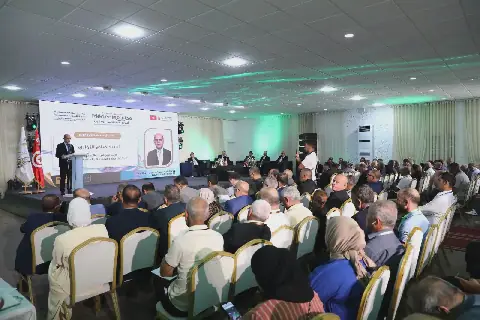
Key stakeholders, including government officials, mining company representatives, and community leaders, were consulted during the investigation. Their perspectives provided valuable insights into the complexities of the issue, highlighting the need for a collaborative approach to addressing the challenges associated with zircon mining. The investigation's findings underscore the importance of transparency and accountability in the mining sector.
The issue of zircon mining in Senegal has sparked a broader conversation about the country's natural resources and their role in driving economic development. As the country continues to explore and exploit its mineral resources, it must navigate the complexities of environmental and social responsibility. The debate over zircon mining serves as a reminder of the need for careful planning and regulation to ensure that the benefits of natural resource extraction are shared equitably among all stakeholders.
Key points
- Eramet Grande Côte claims to respect all national and international norms in its zircon mining activities in Senegal.
- Local communities report significant environmental and health impacts from zircon mining activities.
- The Senegalese government faces the challenge of balancing economic development with environmental and social responsibility in the mining sector.