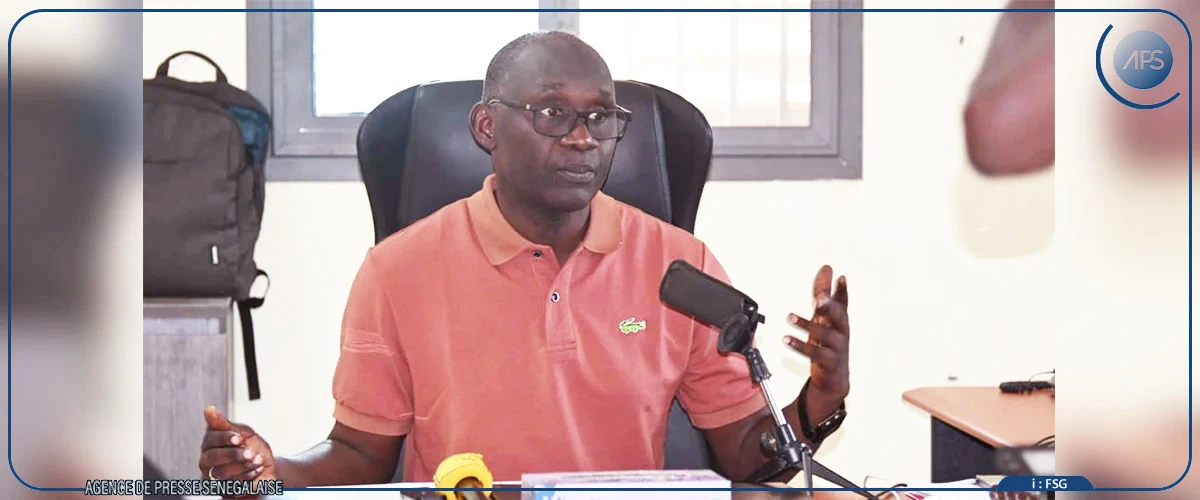
The Inspector of Education in Tambacounda, Assane Mbengue, has announced that the region is expecting a large number of new students in sixth grade this year. This increase is attributed to the abolition of the entrance exam for sixth grade, which has led to a surge in students seeking to enroll in the region's schools. According to Mbengue, the region is expected to receive 1,182 additional students, which will put a strain on the existing infrastructure and teaching staff.
The influx of new students is compounded by the fact that several teachers in the region are expected to leave following the national movement of teacher postings. This has raised concerns about the ability of the region's schools to accommodate the increased number of students. Mbengue has called for "appropriate measures" to be taken to address this situation, which he described as "very complex". The issue was discussed at a recent meeting of the Regional Development Committee, which was attended by local authorities and education officials.
Another challenge facing the region's education system is the issue of civil status documentation. According to Mbengue, 1,896 students presented themselves for the Certificate of Education (CFEE) exam without civil status documentation. Although these students passed the exam, they will face difficulties in enrolling in sixth grade. Additionally, 219 candidates for the Brevet de fin d'études moyennes (BFEM) exam also lacked civil status documentation.
The region's education officials are also concerned about the low rate of orientation towards scientific subjects. According to Mbengue, only 39% of students who passed the BFEM exam in the region are eligible to pursue scientific subjects, which is below the national threshold of 42%. This has raised concerns about the region's ability to provide students with the skills and knowledge needed to compete in the modern economy.
Mbengue has emphasized the need for the region to work towards maintaining students in scientific subjects. He noted that in previous years, many students who were oriented towards scientific subjects at the beginning of the year later requested to be reoriented towards literary subjects, often with the agreement of their parents. This trend has significant implications for the region's education system and the future prospects of its students.
The Regional Development Committee meeting was attended by the Governor of Tambacounda, Abdourahmane Ndiaye, and other local authorities. The meeting discussed various issues related to education in the region, including the need for infrastructure development and the recruitment of additional teachers. The committee also emphasized the importance of addressing the challenges facing the region's education system in order to provide students with a quality education.
The Tambacounda region's education system faces significant challenges, including a large influx of new students, a shortage of teachers, and issues related to civil status documentation. Education officials are calling for urgent measures to be taken to address these challenges and ensure that students in the region receive a quality education. The situation will require close monitoring and collaboration between local authorities, education officials, and other stakeholders.
Key points
- The Tambacounda region in Senegal is expecting 1,182 additional students to enroll in sixth grade this year.
- The region's education system is facing challenges due to the departure of several teachers following the national movement of teacher postings.
- The region's education officials are concerned about the low rate of orientation towards scientific subjects, with only 39% of students eligible to pursue scientific subjects.