As Senegal prepares to start its new school year on October 12, concerns over potential floods and rains continue to mount. The country's meteorological forecasts indicate that significant rainfall is expected, which could complicate the resumption of classes in schools already affected by flooding. This has prompted education stakeholders to re-examine their strategies for ensuring a smooth start to the academic year.
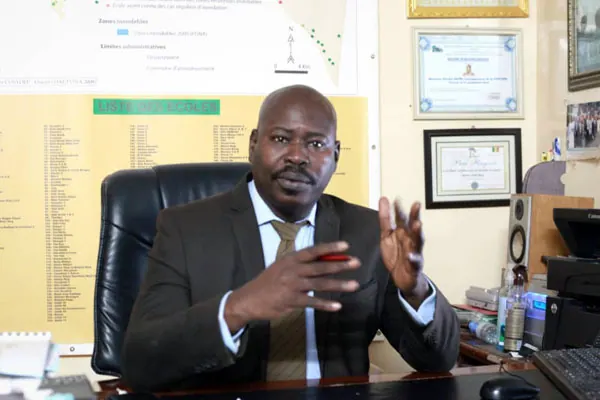
Cheikh Mbow, Executive Director of the Senegalese Coalition for Education Development (COSYDEP), has called for tailored solutions to address the varying impacts of the floods on different regions. In an interview on Radio Senegal's "En Vérité" program, Mbow emphasized that a one-size-fits-all approach would not be effective, given the diverse realities on the ground. Instead, he advocated for a case-by-case evaluation of each educational district to determine the best course of action.
Mbow noted that in areas where in-person classes are not feasible, alternative solutions such as distance learning could be explored. He drew on past experiences, including during the floods in the Matam region, where similar measures were successfully implemented. The goal, he stressed, is to ensure continuity in education despite the challenges posed by the weather conditions.
According to Mbow, it is crucial to move beyond repeated postponements and focus on localized responses that prioritize both the safety of students and teachers and the continuity of educational activities. The COSYDEP director highlighted the importance of leveraging technology and other innovative approaches to mitigate the effects of the floods on the education sector.
The Senegalese Ministry of Education has been working to address these challenges, with a focus on social dialogue and the deployment of over 8,400 teachers for the new academic year. Minister Guirassy has emphasized the progress made in infrastructure development and educational performance between 2024 and 2026, which is expected to help mitigate some of the current challenges.
In addition to these efforts, the government has been working to enhance its preparedness for the new school year, including through the development of contingency plans for affected areas. As the situation continues to evolve, stakeholders are urging calm and cooperation from all parties involved, with a focus on finding sustainable solutions to the challenges facing the education sector.
As Senegal embarks on its new academic year, the emphasis is on finding innovative and effective solutions to the challenges posed by the floods and rains. With the support of various stakeholders, including the Ministry of Education and organizations like COSYDEP, the country aims to ensure that students can continue their education without interruption, despite the adverse weather conditions.
Key points
- Cheikh Mbow advocates for case-by-case solutions to address flood and rain impacts on schools
- Senegal's new school year is set to start on October 12 amid concerns over floods and rains
- The government and stakeholders are working to deploy teachers and develop contingency plans for affected areas