On November 26, 2026, Senegalese President Ousmane Sonko made a statement referencing the resignation of French General Charles de Gaulle following his loss in a referendum in April 1969. This historical event was used as a point of reference in the current tense political climate in Senegal. De Gaulle's decision to step down after the referendum loss is seen as a significant example of democratic accountability.
The context of De Gaulle's resignation differs significantly from the current situation in Senegal. In 1969, De Gaulle had a parliamentary majority and was not facing immediate electoral challenges. In contrast, Senegal's President Sonko does not have a majority in the National Assembly, and the country is anticipating local and legislative elections. These elections may be organized by presidential decree.
De Gaulle's referendum in 1969 aimed to implement significant reforms, including regionalization and worker participation in enterprise decision-making. These reforms were aligned with the ideas of the time, including the concept of "participation responsable" later advocated by the Senegalese Socialist Party and trade unionist Madia Diop. The proposed changes were intended to reduce administrative centralization and increase worker involvement in companies.
The upcoming elections in Senegal will directly impact the country's institutions, whereas De Gaulle's referendum was more peripheral. Despite these differences, both scenarios involve the expression of popular will through voting. De Gaulle's statement after his defeat - "Je ne gouvernerai pas les Français contre leur volonté" ("I will not govern the French against their will") - is seen as a mark of grandeur and respect for democratic principles.
The concept of grandeur, as demonstrated by De Gaulle, is not enshrined in any constitution, including Senegal's. While grandeur may be valued in politics and life, it is not a constitutional requirement. A defeat in elections does not automatically lead to the shortening of a presidential term. In France, there have been instances of cohabitation between presidents and prime ministers from different parties without triggering a presidential resignation.
The potential for cohabitation in Senegal poses significant challenges, which may lead to more severe consequences than the "frictions feutrées" (subdued frictions) experienced in France. The Senegalese context may lead to more critical outcomes. President Sonko's reference to De Gaulle's resignation serves as a reminder of the importance of respecting democratic principles and the will of the people.
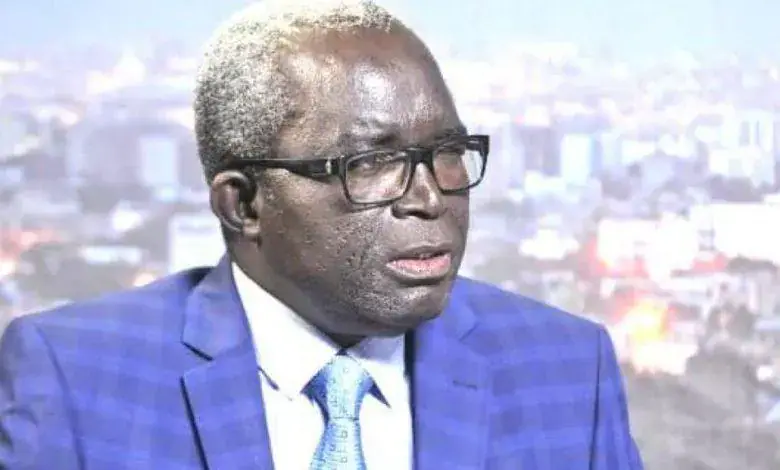
The article by Babacar Justin Ndiaye, published on Télé Futurs Médias, highlights the differences between the French and Senegalese political contexts while emphasizing the shared democratic values. The discussion surrounding President Sonko's statement and its implications for Senegal's political landscape continues to unfold.
Key points
- President Ousmane Sonko referenced General De Gaulle's resignation after a referendum loss in 1969.
- De Gaulle's resignation was a demonstration of democratic accountability and respect for the popular will.
- The Senegalese president's statement serves as a reminder of the importance of adhering to democratic principles in the country's current political climate.