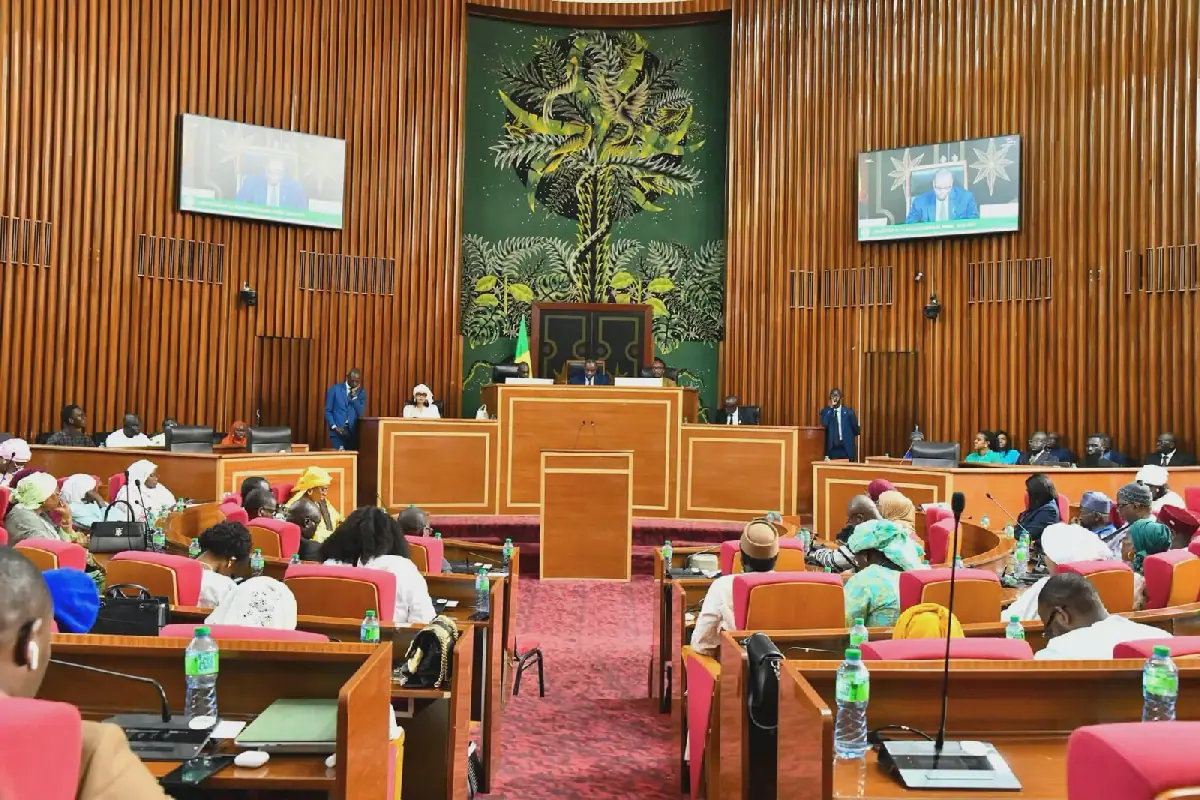
The Senegalese parliament has rejected the revised 2026 budget for the second time, a move that could jeopardize the country's chances of securing a new $2.2 billion financing agreement with the International Monetary Fund (IMF). The rejection was announced on Friday, with the opposition party, "Pastef", stating that the budget lacked transparency and failed to effectively address the rising cost of living.
According to Pastef, the government's refusal to provide essential documents and rationalize special funds also contributed to the rejection. The party expressed concerns that the budget did not adequately address the needs of the Senegalese people. The finance committee of the National Assembly had announced on Tuesday that it would reconsider the revised budget after its initial rejection.
The disagreement over the budget could hinder Senegal's hopes of obtaining IMF approval for a three-year financing program worth $2.2 billion as early as next month. The IMF had previously stated that Senegal's debt burden stood at 132% of its GDP at the end of 2024. The revised budget reduces the country's projected GDP growth for 2026 to 2.7%, down from 5%, and increases the budget deficit to 7.6% of GDP, up from 5.4% in previous estimates.
The Senegalese government had presented the revised budget in an effort to address the country's economic challenges. However, the opposition party's concerns suggest that there may be significant differences between the government and parliament over the budget. The IMF financing agreement is seen as crucial to Senegal's economic stability and growth.
The rejection of the revised budget has raised concerns about the potential impact on Senegal's economic development. The country's economic growth has been affected by various factors, including the COVID-19 pandemic and global economic trends. The government had proposed measures to stimulate economic growth, but these appear to have been insufficient to address the concerns of parliamentarians.
Senegal's economic challenges are further complicated by its high debt burden. The country's debt-to-GDP ratio is one of the highest in the region, and there are concerns that it may struggle to service its debt in the coming years. The IMF financing agreement is seen as essential to helping Senegal manage its debt and achieve economic stability.
The parliament's rejection of the revised budget has set back Senegal's efforts to secure IMF financing. The government will need to go back to the drawing board and address the concerns of parliamentarians if it hopes to secure the financing agreement. The country's economic future depends on its ability to navigate these challenges and achieve stability.
Key points
- The Senegalese parliament has rejected the revised 2026 budget for the second time due to concerns over transparency and the government's measures to address the cost of living crisis.
- The rejection could jeopardize Senegal's chances of securing a $2.2 billion financing agreement with the IMF.
- The country's debt burden stands at 132% of GDP, and the IMF financing agreement is seen as crucial to Senegal's economic stability and growth.