A recent report by Aljamahiriya TV reveals that Libya's political landscape is undergoing substantial changes, with alliances between rival forces in the east and west shifting due to political and regional interests. These developments have led to a more pragmatic approach, prioritizing political and regional interests over ideological slogans. This shift has resulted in a disconnect between the political elite and the Libyan people.
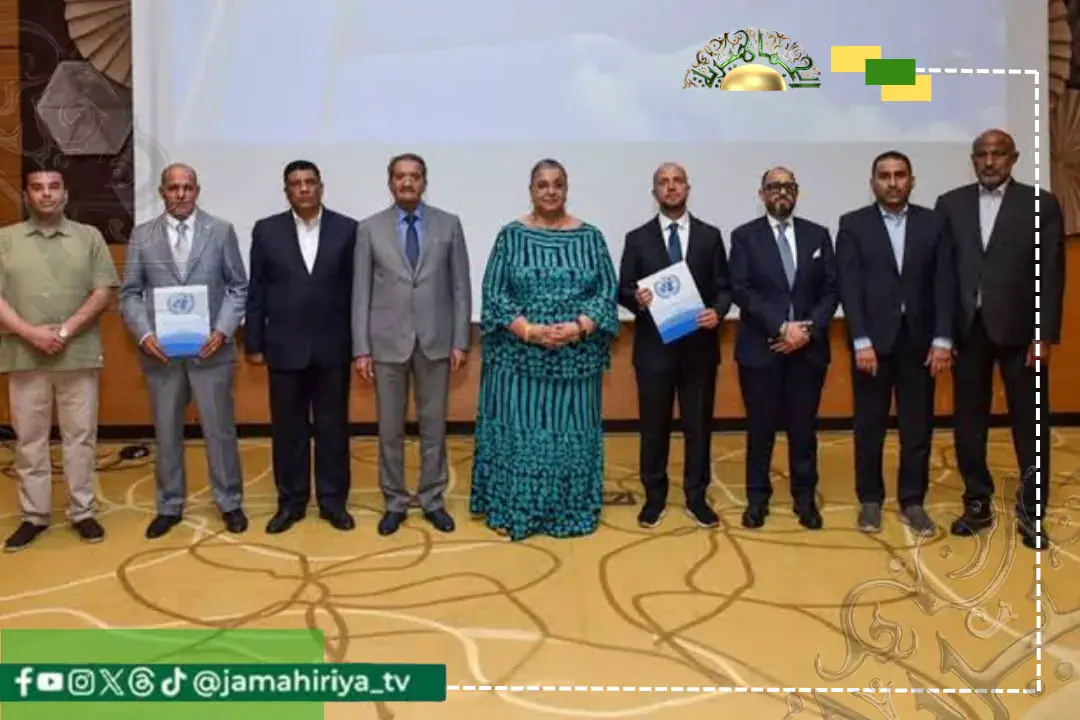
According to the report, alliances in Libya are no longer fixed and are instead influenced by regional and international developments, as well as local power dynamics. Recent developments have shown that political understandings are taking precedence over past differences, even among parties that have held opposing views in the past. This change is attributed to an agreement sponsored by the UN mission.
The report highlights that the agreement sponsored by the UN mission marked the beginning of this new phase, leading to changes in the political decision-making structure in eastern Libya. The changes in the leadership of the House of Representatives have created an environment for new dynamics and alliances to emerge, potentially impacting the political scene in Tripoli and Benghazi.
The Libyan Parliament has unanimously approved a maritime memorandum of understanding signed between the Government of National Accord and Turkey in 2019. This move marks a significant shift in the political positions within the legislative institution, which had previously rejected the agreement. Additionally, the Parliament has revoked two decisions from 2020 related to rejecting the memoranda of understanding with Turkey and severing political relations with the country.
Turkish diplomatic efforts have extended beyond maritime and economic issues to the political and military tracks. Turkey has been engaging with parties in both the east and west through visits and communications, attempting to bridge differences on unifying the military institution and integrating security structures. Turkey has also proposed plans to restructure the executive authority.
Despite these developments, the report cautions against considering diplomatic rapprochement as a definitive indicator of the imminent unification of Libyan institutions. The persistence of conflicting interests among local parties and continued regional and international interventions may hinder progress. The recognition of the maritime memorandum of understanding with Turkey is insufficient to end the division between Tripoli and Benghazi.
Many Libyans are disillusioned with the ongoing political developments, perceiving the new agreements and alliances as a redistribution of influence among the political elite, without tangible improvements in services, living conditions, or progress toward elections and legitimacy renewal. The report concludes that the Libyan crisis requires the involvement of the popular base to build a stable state.
Key points
- The new alliances in Libya are driven by political and regional interests rather than ideological slogans.
- The Libyan Parliament has approved a maritime memorandum of understanding with Turkey, marking a significant shift in the country's political landscape.
- The involvement of the popular base is crucial to resolving the Libyan crisis and building a stable state.