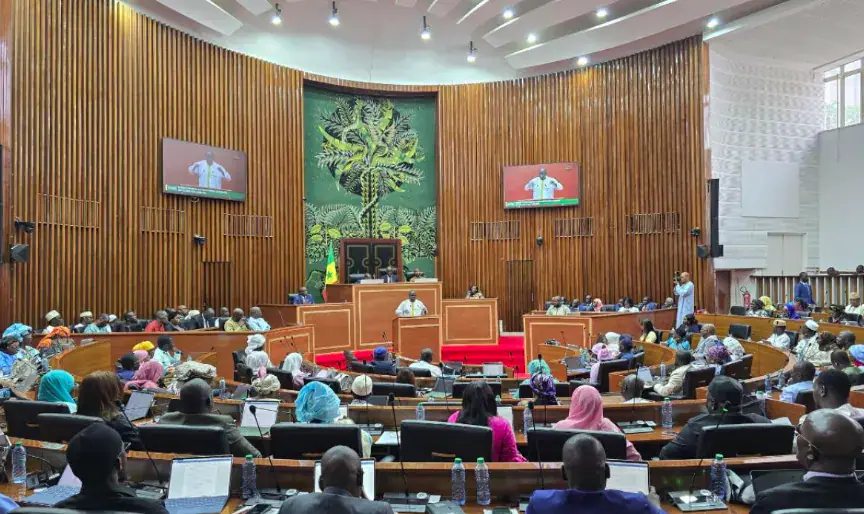
On November 3, 2026, the Senegalese National Assembly convened in an extraordinary session, amidst heightened tensions. The opposition, led by Deputy Amadou Ba, raised a preliminary question that forced the Assembly to vote on the relevance of continuing the examination of the revised budget presented by the government. The vote resulted in 109 deputies supporting the preliminary question, effectively rejecting the 2026 revised budget.
The rejection of the revised budget was made possible by a large majority of deputies, with 132 voting members participating, including 17 by proxy. Only 20 deputies voted against the preliminary question, while 3 abstained. The outcome signifies a substantial setback for the government's fiscal plans. The revised budget was a critical component of the government's economic strategy, and its rejection may have far-reaching implications.
The events leading up to the vote were marked by tension, with the arrest of activist Karim Xrum Xax and a companion outside the Assembly. The incident added to the already charged atmosphere, with many observers speculating about the potential consequences of the vote. The rejection of the revised budget has raised questions about the government's ability to implement its economic agenda.
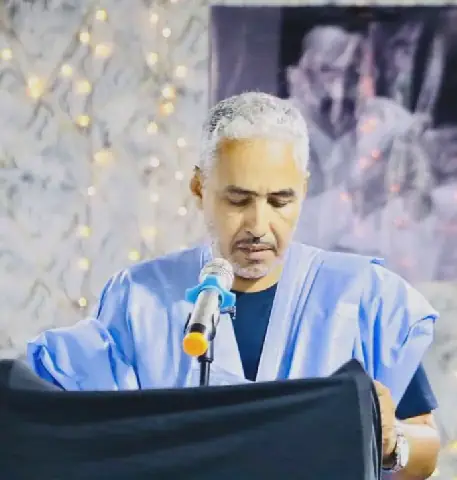
The preliminary question, raised by Deputy Amadou Ba, was a strategic move that allowed the opposition to force a vote on the relevance of the revised budget. By doing so, the opposition effectively bypassed the usual debate and voting process, securing a swift rejection of the budget. The outcome has been seen as a significant victory for the opposition.
The rejection of the 2026 revised budget has significant implications for Senegal's economic policy. The government will need to revisit its fiscal plans and present a new budget that addresses the concerns of the National Assembly. The incident has also highlighted the growing tensions between the government and the opposition, which may have far-reaching consequences for the country's politics.
The Senegalese government has not officially commented on the rejection of the revised budget. However, sources close to the government have indicated that a new budget will be presented in the coming weeks. The opposition has welcomed the rejection, citing concerns about the government's economic management and the need for greater transparency.
The rejection of the 2026 revised budget has sparked widespread interest in Senegal, with many citizens expressing concern about the potential impact on the country's economy. The incident has also raised questions about the stability of the government and the effectiveness of the opposition. As the country navigates this challenging period, many are watching closely to see how the situation unfolds.
Key points
- The Senegalese National Assembly rejected the 2026 revised budget with 109 votes in favor of a preliminary question.
- The rejection was made possible by a large majority of deputies, with 132 voting members participating.
- The incident has significant implications for Senegal's economic policy and has raised questions about the government's ability to implement its economic agenda.