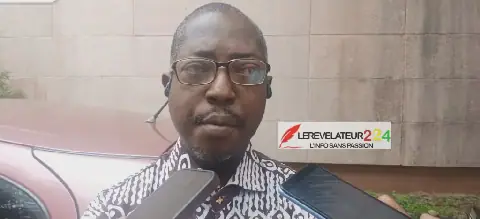
A recent broadcast on the Democratic Republic of Congo's national radio, RTNC, has sparked controversy and concern. Yves Abdallah Makanga, a radio host engaged by the Direction Générale des Migrations (DGM) under François Beya, made statements that appeared to incite violence against former President Joseph Kabila. On November 3, 2026, Makanga allegedly urged listeners to take action against Kabila, sparking fears of escalating tensions in the country.
The remarks made by Makanga have been widely condemned, with many questioning the safety and security of former President Kabila. According to reports, Makanga's comments were made in the context of the current political climate in the DRC, where Kabila's influence and legacy continue to be felt. The incident has raised concerns about the role of media in promoting or inciting violence, particularly in the lead-up to elections.
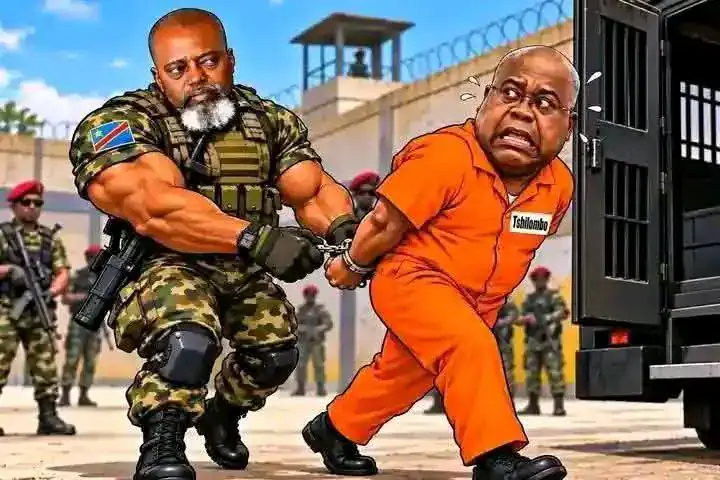
The DRC has a complex and often tumultuous history, with President Félix Tshisekedi, also known as Fatshi Tshivube, currently at the helm. Tshisekedi was nominated by Kabila during the 2018 presidential election, which Martin Fayulu claimed to have won with over 62% of the vote. The country has struggled with issues of governance, corruption, and security, and the latest incident has added to concerns about the stability of the region.
The Congolese government and regulatory bodies have yet to comment on the incident, but many are calling for action to be taken against Makanga. Critics argue that such rhetoric can have serious consequences, including inciting violence and undermining the country's fragile peace. The incident has also raised questions about the extent of freedom of expression in the DRC and the responsibility of media outlets to promote responsible and accurate reporting.
Freddy Mulongo Mukena, a journalist and commentator, has weighed in on the issue, highlighting concerns about the safety of Kabila and the broader implications for the country. Mulongo has argued that such statements can have far-reaching consequences and has called for calm and restraint. The incident has sparked a wider debate about the role of media in Congolese society and the need for responsible reporting.
The international community has expressed concern about the situation, with many calling for calm and restraint. The incident has also raised questions about the support and protection provided to former heads of state, particularly in the context of ongoing security challenges in the region. As the situation continues to unfold, many are watching closely to see how the authorities will respond to the allegations and what implications this may have for the country's stability.
The Congolese authorities have a responsibility to ensure the safety and security of all citizens, including former heads of state. The incident has highlighted the need for vigilance and cooperation to prevent the spread of hate speech and incitement to violence. As the country navigates its complex politics and ongoing challenges, the international community will be watching closely to see how the situation develops.
Key points
- A Congolese radio host, Yves Abdallah Makanga, has allegedly called for the assassination of former President Joseph Kabila on national radio.
- The incident has sparked concern and condemnation, with many calling for action to be taken against Makanga.
- The situation has raised questions about the role of media in promoting or inciting violence, particularly in the lead-up to elections.