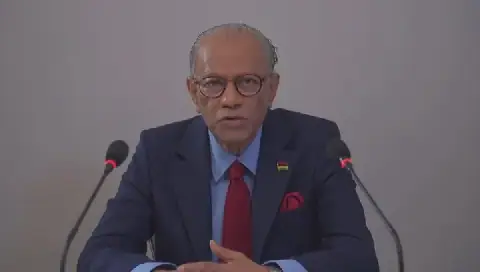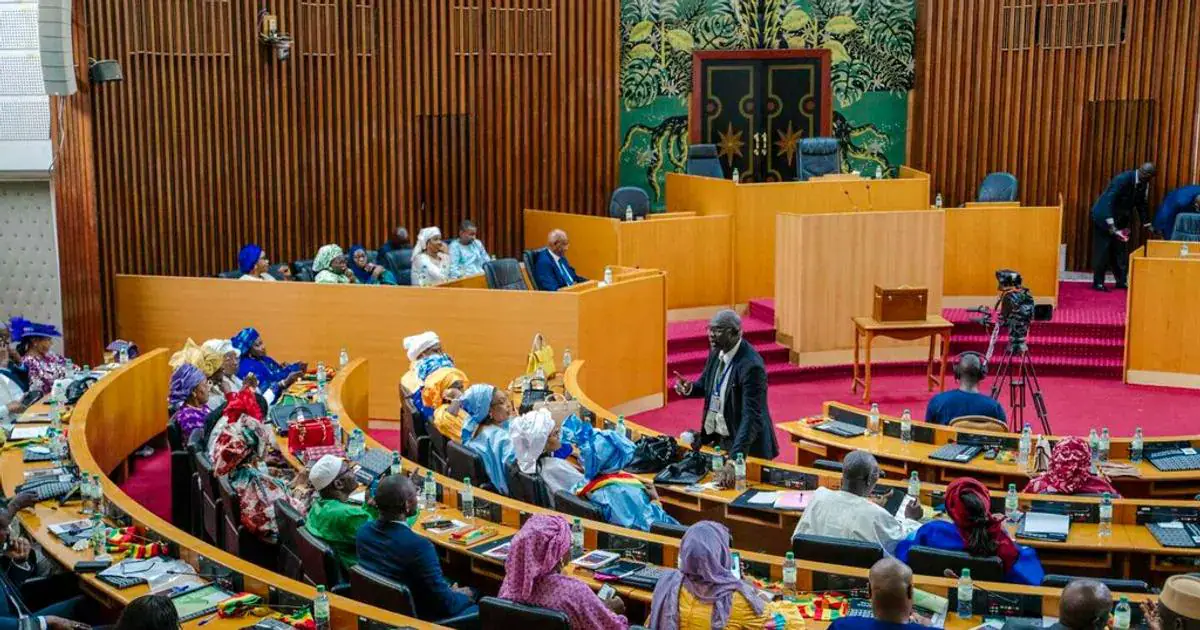
The Senegalese National Assembly adopted a resolution on November 25, 2026, allowing President Diomaye to enforce the 2026 rectified finance law (LFR 2026) by decree. This move comes after the parliament rejected the bill on November 3, 2026. The resolution was proposed by the Pastef – Les Patriotes parliamentary group. The adoption marks a significant development in the institutional tug-of-war over the state's budget.
The LFR 2026 was initially rejected by the parliament on November 3, 2026, through the adoption of a preliminary question. In response, the executive branch decided to promulgate the bill by presidential decree on November 19, 2026, to ensure the state's financial continuity. This decision was met with criticism from the opposition, who saw it as an attempt to bypass parliamentary authority.
President Diomaye has instructed the Prime Minister and the Minister of Finance to execute the LFR 2026 without delay. The President of the Pastef parliamentary group, Ayib Daffé, denounced the executive's move as a power grab and an infringement on parliamentary prerogatives. The controversy surrounding the 2026 budget has sparked intense debate and raised concerns about the balance of power between the executive and legislative branches.
The adoption of the resolution is seen as a significant escalation in the institutional conflict over the state's budget. The opposition has accused the executive of undermining parliamentary authority and disregarding the democratic process. The situation has sparked concerns about the stability of the country's governance and the potential for further conflict.
The LFR 2026 is a critical component of the state's budget, and its implementation will have significant implications for the country's economic and social development. The President's decision to enforce the law by decree has been seen as a necessary measure to ensure the state's financial stability, but it has also raised concerns about the rule of law and the separation of powers.
The controversy surrounding the 2026 budget has sparked a wider debate about the role of parliament in Senegal's governance. The opposition has called for greater transparency and accountability in the budgeting process, while the executive has argued that its actions are necessary to ensure the state's financial stability. The situation remains a subject of intense debate and scrutiny.
The implementation of the LFR 2026 will be closely watched by stakeholders, both domestically and internationally. The country's economic development and stability depend on effective governance and the rule of law. The situation highlights the need for greater dialogue and cooperation between the executive and legislative branches to ensure the country's prosperity and stability.
Key points
- The Senegalese National Assembly adopted a resolution allowing President Diomaye to enforce the 2026 rectified finance law by decree.
- The opposition has denounced the executive's move as a power grab and an infringement on parliamentary prerogatives.
- The implementation of the LFR 2026 will have significant implications for the country's economic and social development.