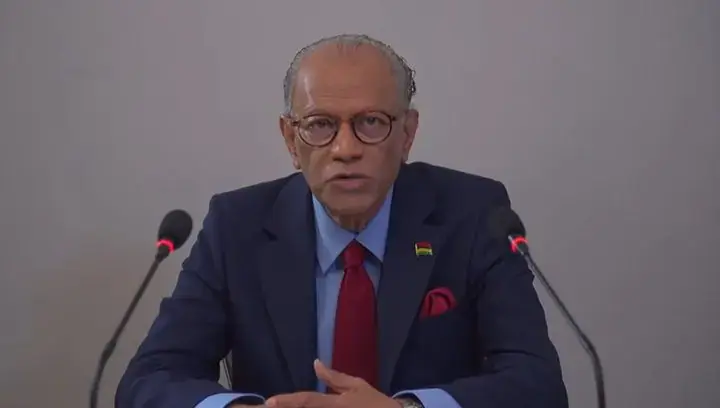
Mauritius' public debt has reached a record Rs 559.1 billion as of June 2024, according to Prime Minister Dr. Navin Ramgoolam. This represents 83.4% of the country's Gross Domestic Product (GDP). The significant increase in debt is attributed to a combination of factors, including a widening budget deficit and high inflation. The country's economic situation has been described as fragile, with a substantial debt burden and rising costs of living.
The budget deficit for the 2023-2024 financial year has been revised to Rs 38 billion, representing 5.7% of GDP. This is significantly higher than the initial projection of Rs 27.4 billion. The deterioration in the budget balance is largely due to a decline in tax revenues, amounting to Rs 13.8 billion, and poorly planned expenditures. The government had overestimated revenues from Value-Added Tax (VAT) and excise duties on alcohol and tobacco.
Inflation in Mauritius has remained a concern, although it has decreased slightly to 3.7% in 2024. The cost of essential goods has increased substantially between 2019 and 2024, with prices rising by 10 to 114%. This has severely impacted the purchasing power of Mauritian households, particularly the most vulnerable. The Prime Minister acknowledged these challenges but expressed optimism about the government's ability to address them.
Dr. Navin Ramgoolam made these statements during a parliamentary address on December 10, 2024. He emphasized that his government is committed to restoring the country's economic health. The Prime Minister's comments come amid ongoing efforts to revitalize the economy and improve living standards for Mauritians.
The Mauritian government has been taking steps to address the economic challenges. For instance, the country has received over Rs 30 billion from India for health and infrastructure projects. Additionally, the government has reaffirmed its commitment to combating plastic pollution. These initiatives are part of broader efforts to modernize and diversify the economy.
Despite the economic difficulties, Mauritius has maintained its 'investment grade' status, as confirmed by Moody's. This rating is a testament to the country's economic resilience and potential for growth. The government aims to build on this momentum to implement reforms and stimulate economic development.
The Prime Minister's address highlighted the need for prudent fiscal management and effective planning to overcome the current economic hurdles. His government faces the task of balancing the budget, controlling inflation, and promoting sustainable growth to improve the living standards of Mauritians.
Key points
- Mauritius' public debt has reached Rs 559.1 billion, representing 83.4% of GDP as of June 2024.