The Senegalese National Assembly has approved four proposals to establish parliamentary investigation committees on various issues. The committees will investigate the management of the country's public debt from 2012 to 2026, the mobilization and implementation of financing for public projects by Banco Santander, and the 10-year flood management program. Additionally, the committees will look into the management of special funds for the Prime Minister's office, the High Council of Territorial Communities, and the Economic, Social and Environmental Council from 2004 to 2026.
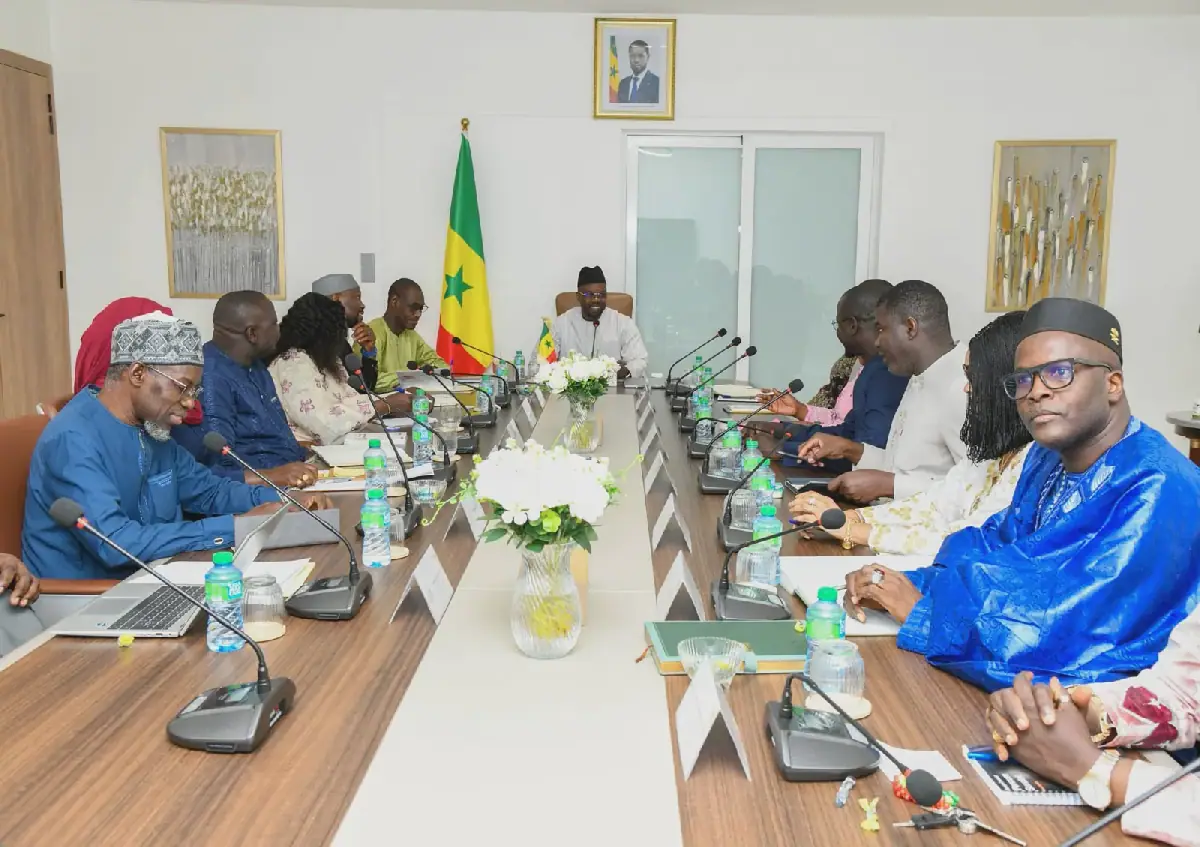
The decision was made during a meeting of the National Assembly's bureau, led by President Ousmane Sonko. According to a statement, Sonko will inform the Minister of Justice of the proposals and request an opinion within 15 days on any potential overlaps with ongoing judicial proceedings. This process is in accordance with Article 54 of the Assembly's internal regulations. The committees' formation is seen as a significant move amid rising tensions between Sonko and President Bassirou Diomaye Faye.
The tensions between Sonko and Faye have been escalating for weeks, with the Parliament recently rejecting a proposed budget amendment for 2026. In response, Faye issued a decree to implement the budget, which was later voted against by the Parliament. The relations between the two leaders have been strained since Sonko's dismissal as Prime Minister in May 2026. Sonko had been serving in the position since April 2024.
Sonko had previously stated that he would have dissolved the National Assembly if he had the authority. In a televised address, he mentioned that the democratic process requires a resolution between two paths: either the majority party resigns or the Assembly is dissolved. According to the Constitution, the President has the right to dissolve the Assembly after two years of its inauguration and call for early legislative elections.
The approved proposals aim to investigate various aspects of public management in Senegal. The committees will examine the management of public debt, financing for public projects, and special funds for key government institutions. These investigations are expected to shed light on the country's financial management and potentially reveal areas for improvement.
The National Assembly's decision to form these committees demonstrates its commitment to oversight and accountability. By scrutinizing key areas of public management, the committees can help identify potential issues and recommend corrective measures. This move is seen as a crucial step towards promoting transparency and good governance in Senegal.
The formation of these committees also highlights the ongoing power struggle between Sonko and Faye. As the country's top leaders, their relationship has significant implications for Senegal's governance and stability. The investigations conducted by the committees may have far-reaching consequences, potentially impacting the country's political landscape and financial management.
Key points
- The Senegalese National Assembly has approved four proposals to form parliamentary investigation committees on various issues, including public debt management and financing for public projects.